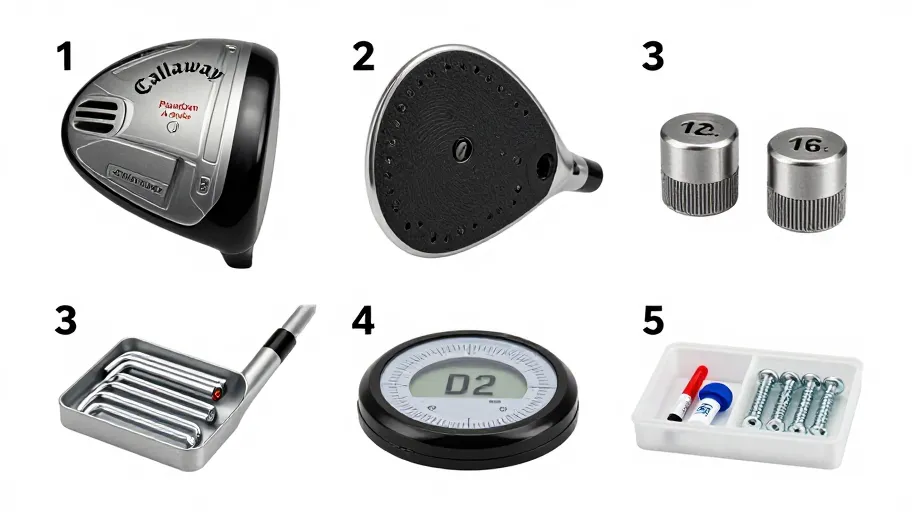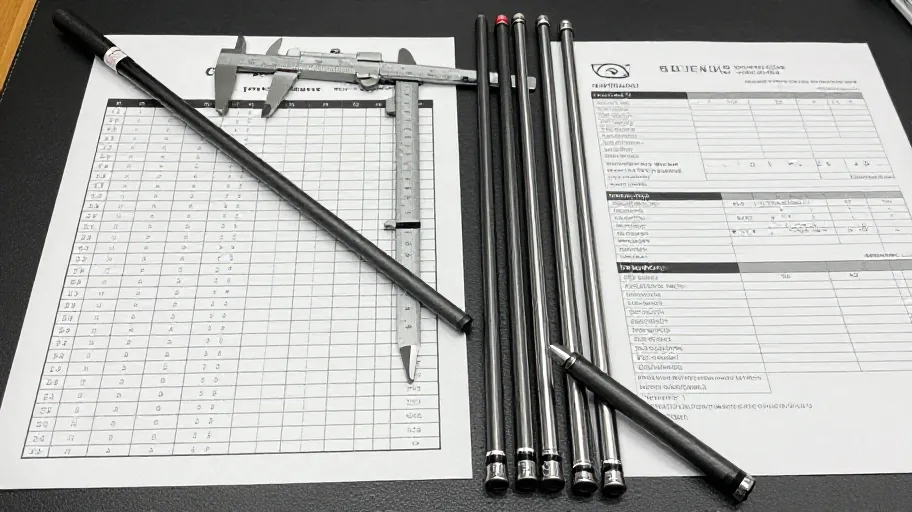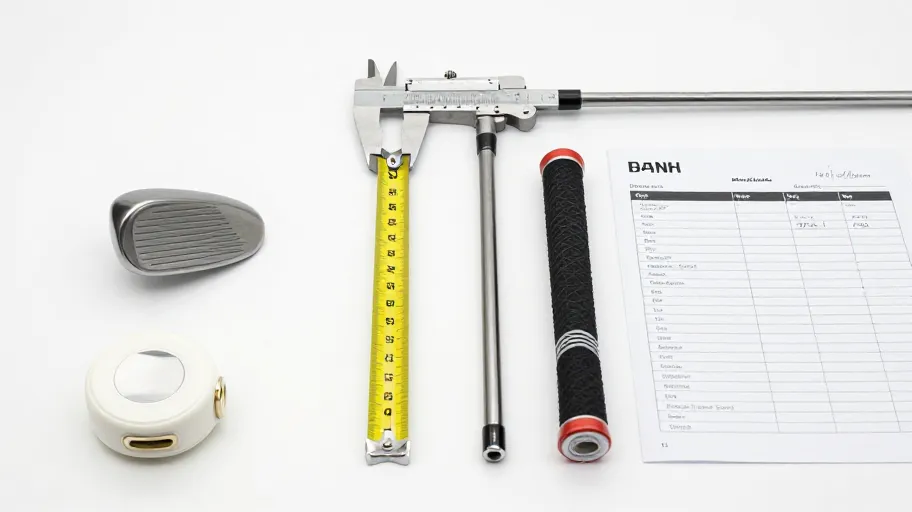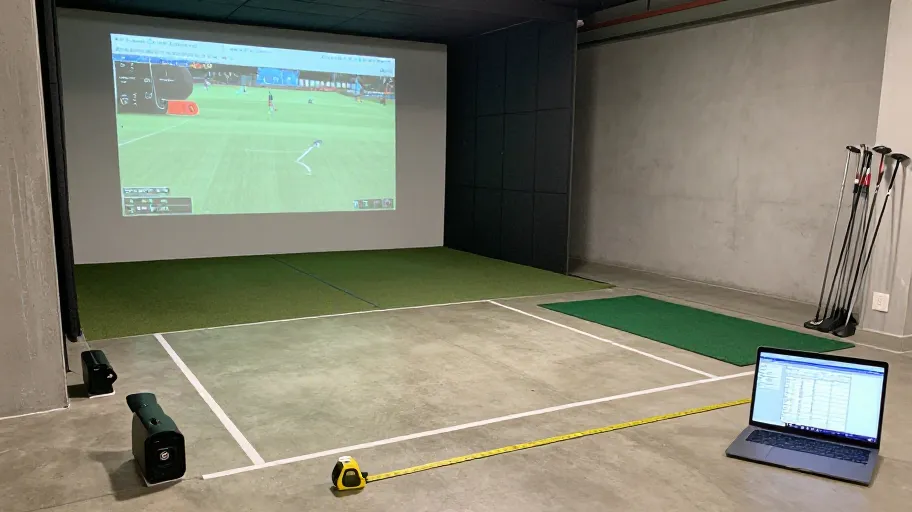
A diy golf simulator decision comes down to matching measurable specifications to your component work, not to feature lists. Work through SPEC-LOCK: Scope your space and club models, confirm Platform fit with the measurements you act on, request Evidence against your own components, ask the Cost and policy questions in writing, then Lock in approval only after a documented test. Every policy term below must be confirmed directly with the supplier.
Start with scope, not shopping
Before comparing any system, write down what the simulator must do for your build bench. For a club builder or a golfer tuning a specific club family and model, the simulator is a measurement instrument first and an entertainment device second. That distinction shapes every later decision.
Document three things:
- The room. Ceiling height, depth, width, lighting, floor material, and where a net or screen can be anchored. Write these down before looking at any product page.
- The club models. Which heads, shafts and grip setups you intend to test. A system that cannot measure the flight characteristics you adjust for gives you data you cannot act on.
- The tasks. Are you verifying a shaft swap, comparing lofts, checking face delivery, or building a repeatable before/after record for clients? Each task demands specific measurement categories.
This scope sheet is internal planning evidence. It becomes powerful only when you send it to a supplier and ask them to respond against it, item by item.
Platform fit: measurement versus entertainment
Every diy golf simulator combines some subset of launch monitoring, ball-flight calculation, and display software. The marketing copy blends all three. Separate them:
| Build task | Measurement you act on | Question to ask the supplier |
|---|---|---|
| Shaft comparison for a specific model | Ball speed, launch angle, spin, descent angle | "Which of these does the system measure directly versus calculate?" |
| Head and loft tuning | Face angle, club path, attack angle, strike location | "How is strike location captured, and can I export it?" |
| Grip or build-quality verification | Club speed, face delivery consistency | "What repeatability evidence can you provide for club-speed capture?" |
| Client before/after records | Full-session export with timestamps | "Can data be exported in a format I can attach to a build sheet?" |
| Practice and entertainment | General play modes | "Which play features are included and which require separate purchase?" |
The distinction between measured and calculated values matters most. A system that calculates spin from ball flight behaves differently from one that measures it. Ask which numbers come from direct capture, and get the answer in writing.
Evidence: test against your own components
Generic demo videos tell you little about your use case. Your evidence step should be a documented test against the clubs you actually build or tune.
A workable approval test:
- Hit a known club — one you have built and trust — and record ten shots on your current method (feel, range observation, or existing device).
- Run the same club and shot pattern on the candidate system.
- Compare direction of change, not just absolute numbers. If you know a shaft change should raise launch and the system shows the opposite, investigate before trusting it.
- Repeat with a deliberate change: swap to a different shaft or adjust loft, and confirm the system registers the change in the expected direction.
Treat this as internal planning evidence until you have run it yourself. Do not rely on any third-party performance claim unless you can verify how it was produced and with which club models.
Cost and policy questions: confirm everything directly
No sample policy, cost, shipping arrangement or production policy was supplied for this article, and none should be assumed. Send these questions to the supplier in writing and keep the replies with your build records:
- What is the current price for the exact configuration quoted, including each component listed?
- Is a sample or trial unit available, and what are the current terms — duration, cost, deposit and conditions of return?
- Who pays outbound and return shipping for any sample or trial, under the current policy?
- What is the current return or exchange policy for opened simulator components, and does it differ by part?
- What warranty applies to each component, and what is the claims process?
- What lead time applies to the configuration quoted, and what happens if a component is substituted?
- Are firmware, software or data-export features subject to separate licences or subscriptions?
- Which certifications or compliance documents apply to the electrical components in my market?
Do not accept verbal answers on any of these. The answer is only usable when it is written, dated, and specific to the configuration you asked about.
The approval gate
Use this decision table before committing:
| Gate | Criterion | Pass condition |
|---|---|---|
| Scope match | Room and mounting fit documented | All constraints written and confirmed against product dimensions |
| Measurement fit | Required categories covered | Supplier confirms in writing which values are measured |
| Evidence test | Direction-of-change test run | System registers expected changes across your components |
| Policy clarity | Cost, sample, shipping, returns, warranty confirmed | Written, dated answers on file |
| Export and records | Data export works for build sheets | Test export completed during evaluation |
| Final approval | All gates green | Written sign-off against your scope sheet |
If any row cannot be closed, delay the purchase. The gate exists because substitutions, unclear policies and unverified measurement claims are the risks that cost the most to discover after installation.
Approval questions checklist
Before you approve any diy golf simulator purchase, confirm:
- Room constraints documented (height, depth, width, anchoring, lighting)
- Club models and build tasks listed
- Required measurement categories identified
- Supplier stated which values are measured versus calculated, in writing
- Direction-of-change test completed with your own clubs
- Data export tested against your build-sheet format
- Price quoted for the exact configuration
- Sample or trial terms confirmed under the current policy
- Shipping responsibility confirmed under the current policy
- Return, exchange and warranty terms confirmed in writing
- Lead time and substitution policy confirmed
- Compliance documents for your market confirmed
FAQ
Do I need a launch monitor as well as a simulator? Some setups combine both; others calculate ball flight from measured launch data. Ask the supplier which values are directly measured and which are calculated for the exact configuration you are considering, and record the answer.
Can a diy golf simulator replace an outdoor test session for club fitting? It can support component decisions if the measurement categories match what you adjust, but you should verify repeatability with your own clubs first using the direction-of-change test above. Do not assume fitting accuracy without running it.
How much space do I need? That depends on ceiling height, swing shape, netting or screen mounting, and camera or sensor placement — all project-specific. Document your room dimensions and confirm requirements against them with the supplier before purchase.
What should I check in the software before buying? Confirm which data points are displayed, whether they can be exported with timestamps, whether licences or subscriptions apply, and whether updates affect data continuity. Get each answer in writing.
Should I buy components separately or as a package? Compare both against your scope sheet. Packages can reduce integration risk but may include measurement categories you will not use. Ask the supplier to itemise any package so you can compare it against your documented requirements.
Next step
获取采购 Brief — request the sourcing brief to structure your supplier questions, scope sheet and approval gate before you commit to a configuration.
Prefer to start smaller? Take the approval questions checklist above, copy it into your build notes, and answer every unchecked line before your next purchase conversation.
Master Your Swing, DIY Your Fit. DIY Golf is the premier destination for the technical golfer. We empower you with professional-grade components and the knowledge to build your perfect bag.