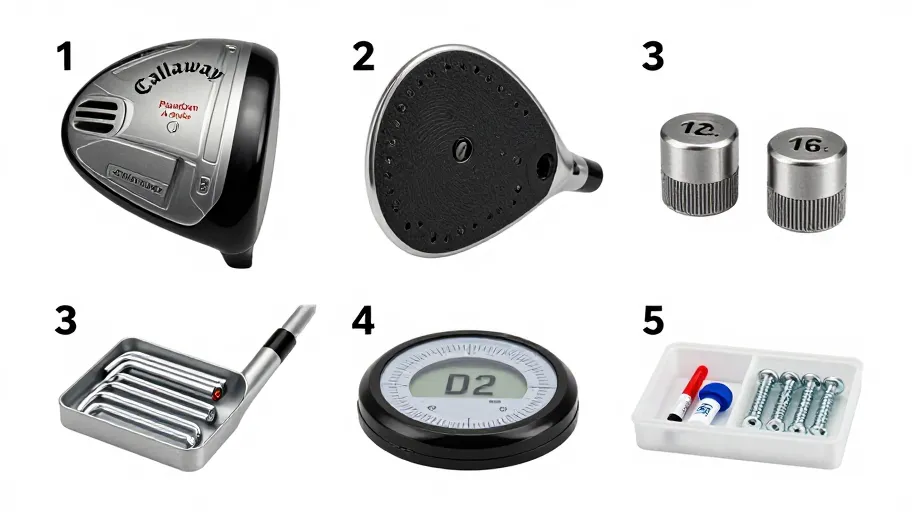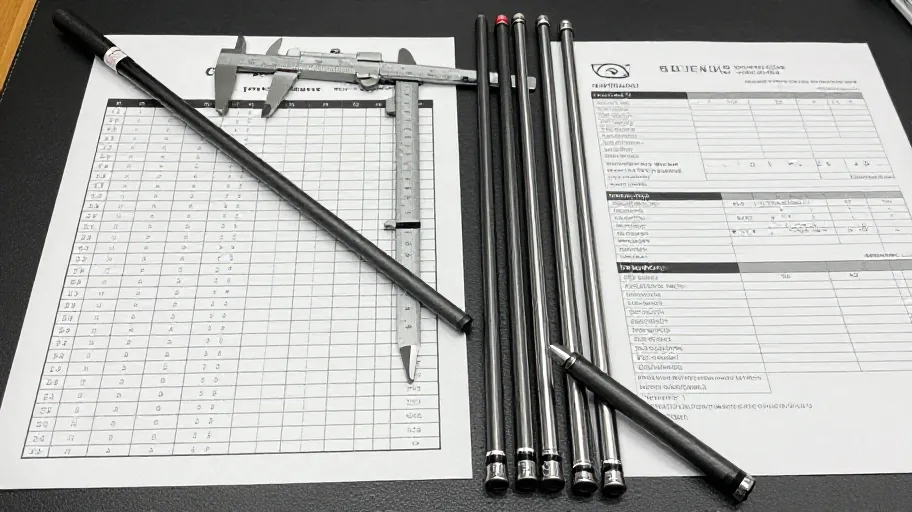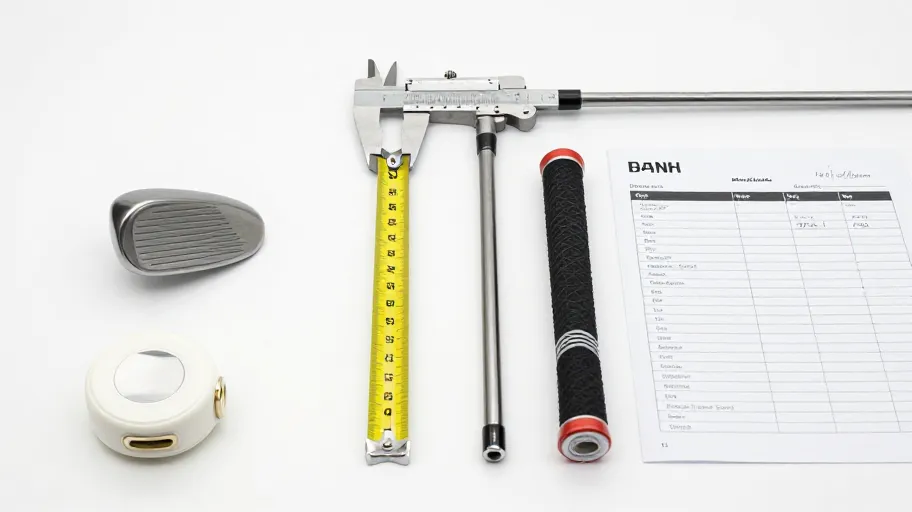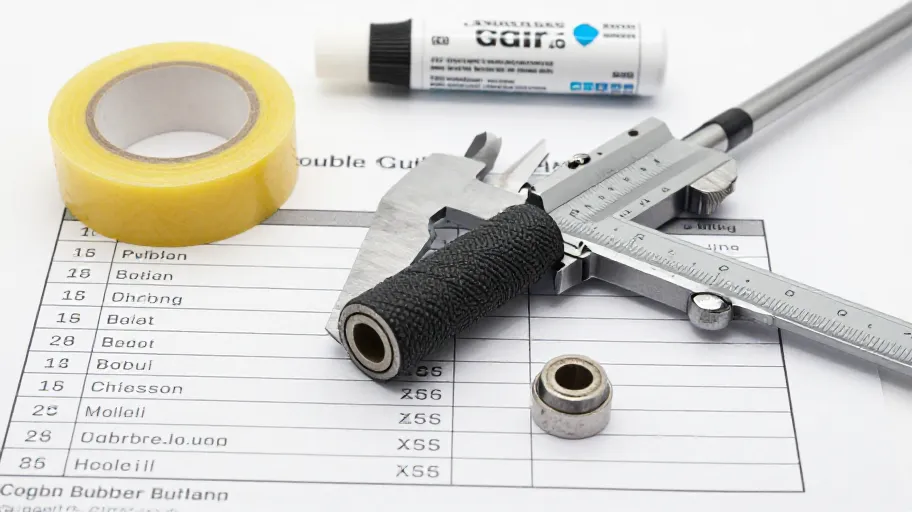
Golf club regripping cost is not a single number: it is a stack of line items — grip unit price, tape and supply method, core size and build-up choices, quantity, any service labour and shipping terms — each set by the supplier you select. The way to control it is to specify the exact grip spec, request and measure a sample, and sign off every cost and policy line in writing before bulk commitment. That is the SPEC–SAMPLE–SIGN-OFF method used throughout this guide.
Why regripping cost cannot be quoted from a spec sheet alone
If you are sourcing grip components for a specific club brand, family and model, the honest starting point is that no published figure can tell you your project cost. The variables are too many:
- Grip spec. Model, core size, texture, and any alignment or reminder rib each change the unit price and the finished fit.
- Quantity. A single-club repair, a half-set and a full rebuild sit at different points on any supplier's price schedule — and that schedule is supplier-specific.
- Supply method. Solvent-activated tape, pre-wrapped systems or other supply approaches differ in material cost and in what tools you need.
- Service terms. If any fitting or installation work is involved, that labour is priced by whoever performs it — confirm directly.
- Sample and shipping policy. Whether a sample is charged, who pays carriage, and whether any charge is credited against an order are policy questions, and no policy was supplied for this article. Ask in writing.
None of these can be assumed. Every one becomes a line in the cost stack you ask the supplier to complete.
The SPEC–SAMPLE–SIGN-OFF framework
Stage 1 — SPEC: specify before you price
Before asking for a price, write down the specification. This is what turns a vague enquiry into a comparable quote:
- The exact club. Brand, family, model, and where in the set the club sits (wedges, irons, driver can differ in butt diameter).
- The measured butt diameter. Measure rather than assume — fitment on the exact model must be verified, not inferred from a family name.
- The grip spec. Model name, core size, and any build-up tape layers you plan, since build-up changes finished feel and effective size.
- The supply method. Tape type and activation method, plus who supplies the ancillary materials.
- Quantity and packaging. Units per set, spares, and how the order is packed.
A supplier can only give a defensible price against a defensible spec. Vague specs produce vague quotes and expensive surprises.
Stage 2 — SAMPLE: measure before you commit
Whatever the sample policy is — charged, bundled with an order, or otherwise — you must confirm the current terms directly with the supplier before relying on them. Do not let the sample question delay the sample decision; let the written answer settle it.
When a sample arrives, measure and record:
- Core size and internal consistency across the sample set.
- Outer diameter at hand positions relevant to your build, after any build-up tape.
- Surface texture and any reminder rib against the spec you wrote in Stage 1.
- Weight, because grip weight shifts swingweight and a rebuild plan may need to account for it.
- Colourway and marking, documented with photographs.
Approve against your written spec, not against memory. If any measurement deviates, resolve it in writing before proceeding.
Stage 3 — SIGN-OFF: approve the cost stack line by line
Ask the supplier to return your specification as a quotation with every cost element broken out. Both parties then approve that document. This is the point where regripping cost stops being an estimate and becomes a contract.
The cost stack: what to request in writing
Send this as a table and ask the supplier to complete every row:
| Cost element | What to specify | What to confirm in writing |
|---|---|---|
| Grip unit price | Exact model, core size, colourway | Price and what it includes |
| Quantity break | Units per order and any tiering | Whether tiers exist and where |
| Tape and supply materials | Type, activation method, who supplies | Included or charged separately |
| Build-up materials | Layers planned per club | Included or charged separately |
| Sample | Spec of the sample requested | Current sample policy and any charges |
| Shipping | Destination, terms, split of carriage | Who pays, and how it is documented |
| Service labour (if any) | Which work is performed by the supplier | Scope and how it is priced |
| Replacements or corrections | How deviations from spec are handled | Agreed remedy, documented in advance |
No row in this table carries a number because none can. The numbers come from the supplier, and they come in a format you can compare.
Decision table: supply method, quantity and risk
| Decision | Option A | Option B | Cost implication | Risk to manage |
|---|---|---|---|---|
| Supply method | Solvent-activated tape system | Pre-wrapped or alternative supply system | Material and tooling differ by method; confirm what each requires | Verify method works for your grip model and workspace before ordering full quantity |
| Quantity | Order per set with no spares | Order with spare grips | Spares raise upfront cost but protect against mis-sets | Confirm the supplier's position on adding units later at the same terms |
| Fitment approach | Order to nominal spec | Measure butt diameter and build to measured spec | Build-up tape adds material lines and labour | Unmeasured fitment risks redo work — the most expensive line of all |
| Sample stage | Proceed straight to bulk after quoting | Approve a sample against written spec | Sample stage adds a step and possible charge | Skipping approval transfers all deviation risk to you |
| Supplier comparison | Single quote | Three quotes on the same cost stack | Comparison costs time but exposes outliers | Quotes not on an identical spec are not comparable |
Approval questions for the supplier
Before any commitment, get written answers to these:
- Please confirm the current price for [exact grip model, core size, colourway] at [quantity], and confirm what that price includes and excludes.
- What is your current sample policy for this grip, including any charges, shipping arrangements and how any charge is treated if an order follows?
- What tape and supply materials do you recommend for this grip model, and are they included in the quoted price or charged separately?
- Can you confirm fitment against my measured butt diameter of [value] on the [club family and model], and what build-up approach you would specify?
- What are your current shipping terms to my destination, and how is carriage documented on the quotation?
- How are deviations from the approved spec documented and corrected, and what is the agreed remedy?
- If I add units after the first order, on what terms are they priced?
Every answer goes into the approved document. Anything not in writing is not part of the cost picture.
Frequently asked questions
What makes up the total cost of regripping a set of clubs? Grip unit price, tape and supply materials, any build-up materials, quantity tiering, shipping, and any service labour if someone else performs the work. Each element is supplier-specific, so build the cost stack and get each line quoted in writing.
How do I know a grip will fit my specific club model? Verify rather than assume. Measure the shaft butt diameter on the exact club, specify the grip core size and any build-up layers, and ask the supplier to confirm fitment against those measurements in writing. Fitment claims should only be relied on when confirmed for the exact product and model.
Should I approve a sample before ordering a full set? A sample lets you measure core size, outer diameter, texture, weight and finish against your written spec before bulk commitment. Whether the sample carries a charge, who pays shipping, and how any charge is treated are policy questions to confirm directly with the supplier — none of that can be stated here.
How do I compare regripping quotes from different suppliers? Only on an identical specification. Send the same cost-stack table to each supplier, ask each to complete every row, and compare line by line. A lower headline price that excludes tape or shipping is not comparable to a higher one that includes them.
What is the biggest hidden cost in a regripping project? Rework. Ordering to an unmeasured spec, skipping sample approval, or proceeding without documented terms transfers deviation risk to you, and correcting it costs more than the approval step would have.
Your next step
Get the sourcing brief that structures all of this before you contact a supplier:
[获取采购 Brief]
Or start smaller — download the regripping cost checklist and work through the cost stack at your own pace:
[Download the cost-stack and approval checklist]
Master Your Swing, DIY Your Fit. DIY Golf is the premier destination for the technical golfer. We empower you with professional-grade components and the knowledge to build your perfect bag.