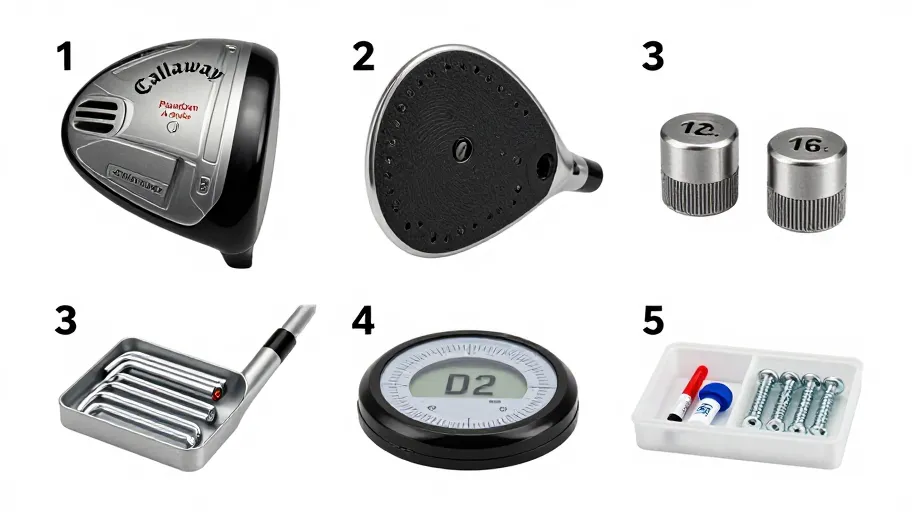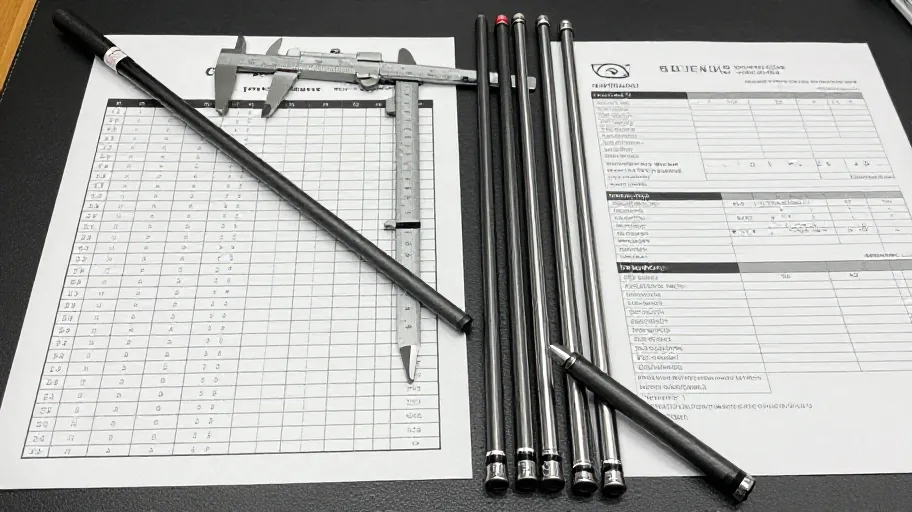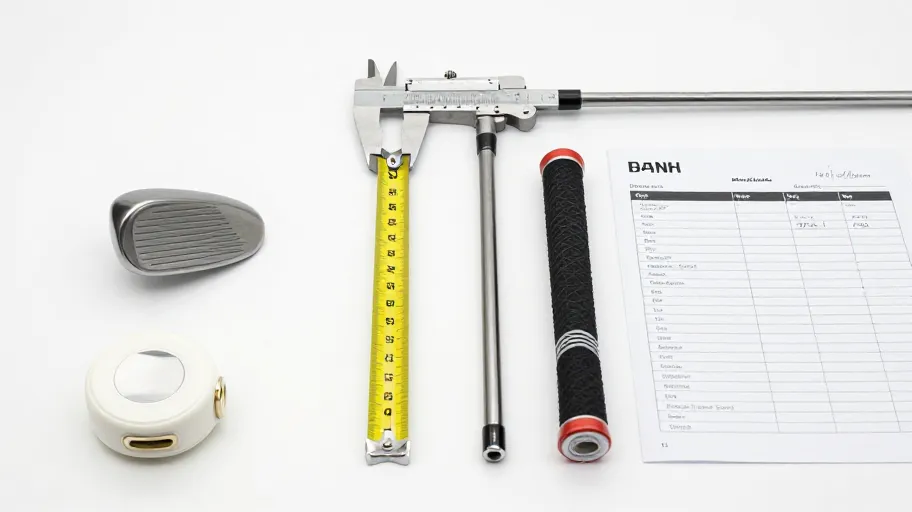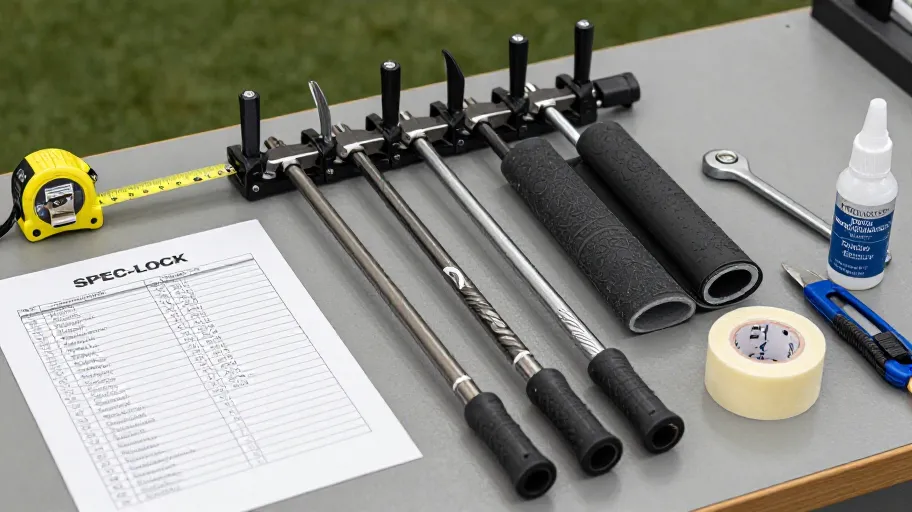
Use SPEC-LOCK to move from research to a documented purchase decision:
- S — Scope. Write down which clubs you service: shaft materials (steel, graphite, composite), grip types, and the specific brand families and models you handle most. Graphite shafts, for example, place different demands on clamping pressure than steel, so your scope drives every later step.
- P — Platform specs. Request the supplier's written spec sheet for the station: clamping range, jaw material and inserts, mounting pattern, and any stated use limits. Do not rely on listing copy alone; ask for the document.
- E — Evaluate samples. If a sample or evaluation unit is available, define in advance what you will inspect: jaw concentricity by feel and function, shaft retention under your working pressure, and absence of marking on a test shaft from your own inventory.
- C — Confirm policy. Sample availability, any fees, shipping responsibility, fee treatment, lead times and minimums are all supplier-specific. Confirm each in writing before relying on it; do not assume terms transfer between suppliers or orders.
- L — Lock approval. Record what passed, who approved it and against which criteria. Keep the record with your component files so repeat orders reference the same baseline.
- O — Observe and document. During early use, log any slippage, jaw wear or fitment issues. Documentation converts your experience into leverage for the next order decision.
Decision table: workflow needs versus station requirements
| Your workflow need | What to verify on the station | Supplier question to ask |
|---|---|---|
| Servicing mixed shaft materials | Jaw inserts and clamping range suitable for each shaft type in your scope | "Which jaw inserts do you supply for graphite versus steel shafts, and what clamping range does the station state?" |
| Specific club families and models | Fitment of the fixture with the shaft diameters in those families | "Can you confirm this station holds the shaft diameter range for [brand/family/model] shafts I service?" |
| Bench integration | Mounting pattern and bench thickness requirements | "What mounting pattern and fixings are included, and what bench thickness do they suit?" |
| Grip tape and solvent workflow | Clearance around the clamp for tape and activation method | "What working clearance surrounds the clamp for solvent-based and solvent-free installations?" |
| Repeatability across many builds | Consistency of clamping action between units if ordering more than one | "How do you verify unit-to-unit consistency before dispatch, and can that be documented?" |
| Left- and right-handed work | Orientation flexibility of the fixture | "Does the fixture support the orientations I need for left- and right-handed builds?" |
Sample and approval questions
When you contact a supplier, ask these questions and file the answers:
- What is the current sample or evaluation-unit policy for this station?
- What does the spec sheet state for clamping range, jaw inserts and mounting, and can I receive a copy before ordering?
- Can you confirm — in writing — fitment with the shaft types and diameters in my scope, including [brand/family/model]?
- What are the current lead time, minimum order quantity and shipping terms for my destination?
- What inspection or functional checks can I request before dispatch, and how are they documented?
- What is the current policy on fees associated with samples, and how are they handled? (Confirm directly; terms vary and are set by the supplier.)
- Who is the named contact for approval questions on this order?
Pre-approval checklist
Before you approve any order, tick off:
- Written spec sheet received and compared against your scope
- Fitment confirmed in writing for your specific shafts and club models
- Sample or evaluation unit inspected against your predefined criteria (if a sample step applies)
- Sample, fee, shipping, lead time and minimum-order terms confirmed directly with the supplier
- Approval record created: criteria, result, approver, date
- Bench mounting compatibility verified against your workstation
FAQ
Do I need a dedicated station, or will a general vise work? It depends on your shafts. General vises can mark shafts or apply uneven pressure, which matters more for graphite. Compare the jaw inserts and clamping action of a dedicated station against your specific shaft materials and confirm fitment with the supplier before deciding.
How do I judge a regripping station I can't inspect first? Ask for the written spec sheet, request a sample or evaluation unit if offered, and define your acceptance criteria before anything ships. If neither is available, weigh that gap in your approval decision and document why.
What compatibility details matter most for a specific club family? Shaft diameter at the clamp point, shaft material, and whether the grip end or shaft body is clamped. Confirm the station's stated range against the exact models you service rather than assuming a single range covers everything.
How should I handle sample and shipping terms? Treat them as open questions. Ask the supplier for the current policy in writing, including any fees and who covers shipping, and confirm again at order time, since terms can change between orders.
What should I keep on file after approving a unit? The spec sheet, your acceptance criteria, the inspection result, the written confirmations on fitment and terms, and the approval date. This record becomes your reference for repeat orders and any later dispute or replacement decision.
Next step
If you are comparing stations or preparing a supplier enquiry, 获取采购 Brief and use it to structure your spec, sample and approval questions before your next order.
Low-friction option: start with the pre-approval checklist above — five minutes now saves a mis-specified purchase later.
Master Your Swing, DIY Your Fit. DIY Golf is the premier destination for the technical golfer. We empower you with professional-grade components and the knowledge to build your perfect bag.