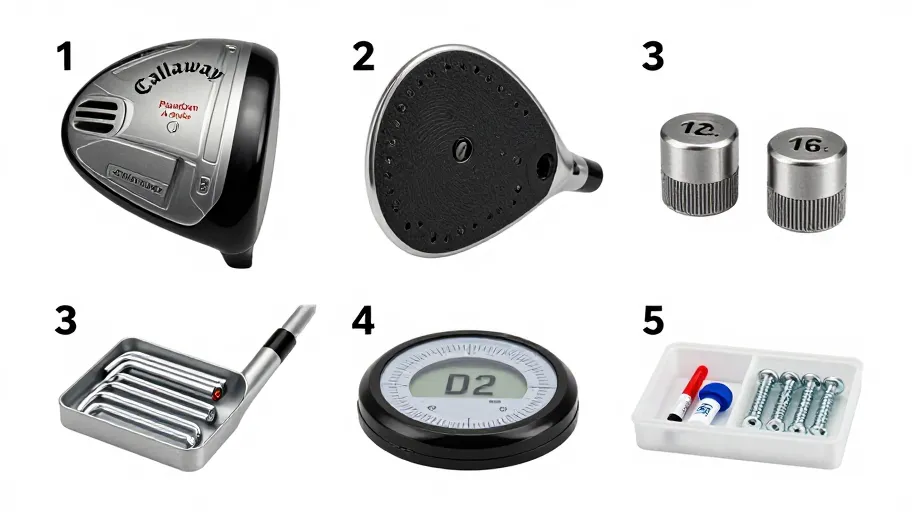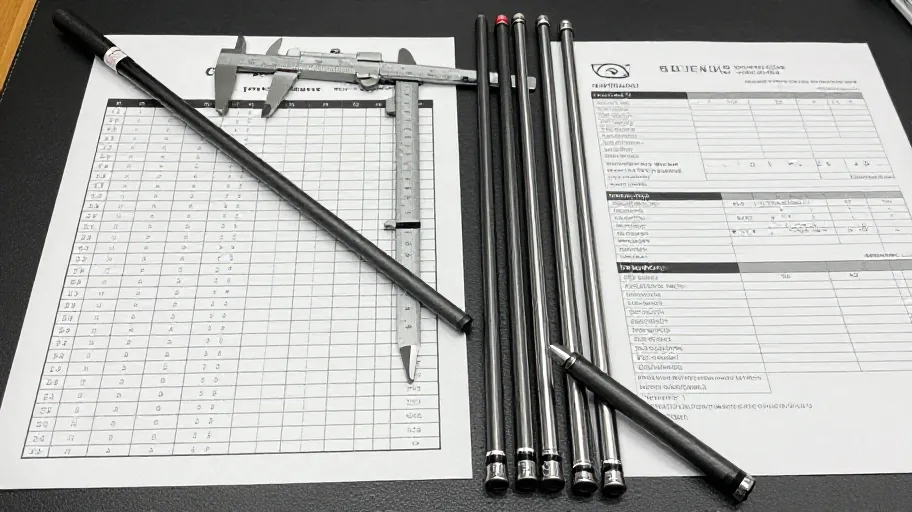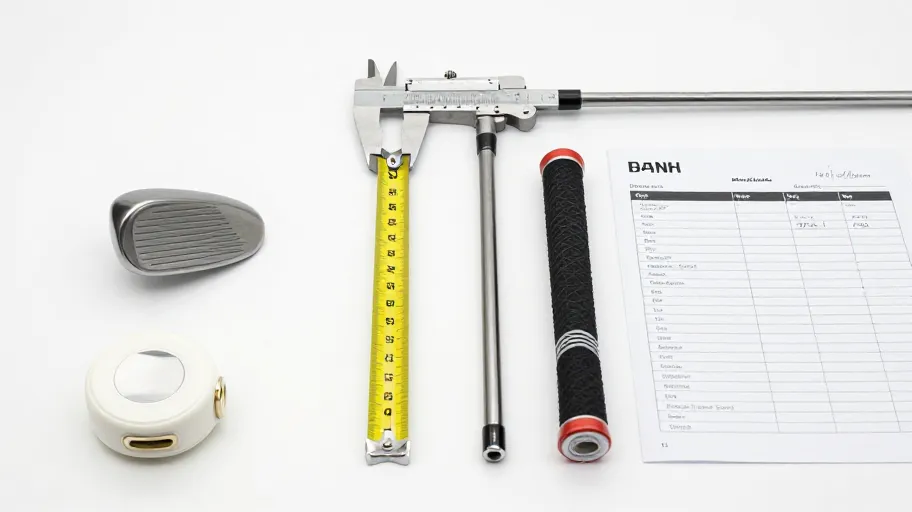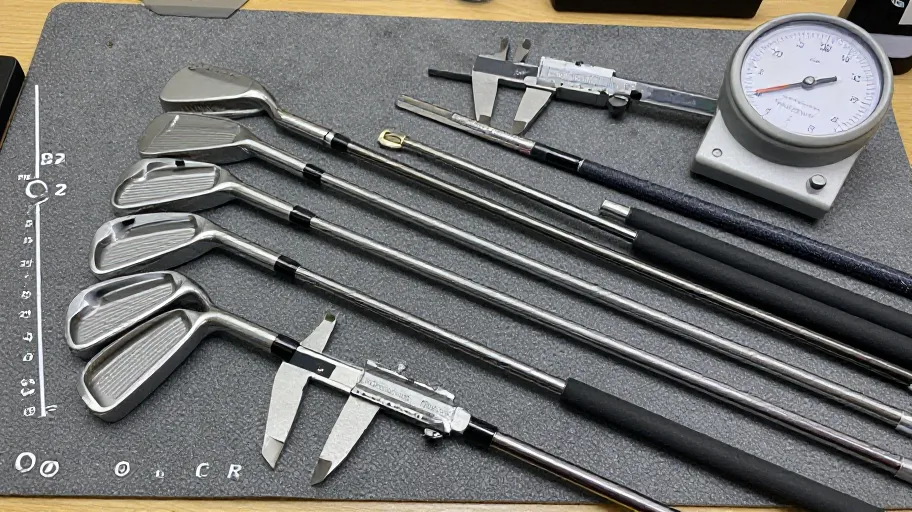
An iron swing weight chart maps measured swing weight values — the letter-and-number scale such as D2 or C9 — against component variables so you can plan a build or match a set. It is a planning reference, not a promise: the final value depends on the exact head weight, shaft weight, shaft length, grip weight and assembly method of your specific club. Use the chart to define targets, then verify with measurements before approving components.
The SWING-WEIGHT MATCH framework
A chart is only useful when it is embedded in a documented process. Work through these steps for each iron in the set:
- S — Scope the model. Record the brand, family, model, loft and intended final length for every club. Charts cannot be transferred between unrelated models.
- W — Weigh the build. Weigh the existing head, shaft (cut and uncut if possible), grip, and any tip weights or inserts. Document each number.
- A — Assess balance. Measure the current swing weight on a reliable scale before changing anything. This is your baseline.
- M — Match chart values. Compare your baseline to the chart target for the model and identify the gap.
- E — Evaluate components. Determine which variable — head weight, shaft weight, grip or length — you intend to change to close the gap, and by how much.
- V — Verify with assembly. Dry-fit or assemble one club first and re-measure before committing the full set.
- E — Evidence via measurements. Keep a written record of every measurement, adjustment and re-measurement.
- W — Wait points flagged. Identify steps that require supplier confirmation, such as head weight tolerances or available weight ports, and ask before ordering.
- E — Evaluate against target. Confirm the measured result matches your documented target before approving the batch.
- I — Inventory spares. Plan for adjustable weights, tip weights and a spare grip so mid-build corrections do not stall the project.
- G — Gaps documented. Note any residual gap between chart target and measured result and decide whether it is acceptable.
- H — Handle and tune. Fine-tune the finished clubs and record the final values for future reference.
The framework's purpose is simple: convert a chart from a passive reference into a specification you can send to a component supplier.
Decision table: choosing the component change that fits your objective
| Your objective | First variable to examine | Chart input you need | Questions to confirm with the supplier | Risk if skipped |
|---|---|---|---|---|
| Match a rebuilt iron to the rest of the set | Head weight (via weight ports or grinding) | Baseline swing weight of the reference club and the target value | Are adjustable or replacement weights available for this exact model? What weight increments? | One club feels visibly different at address |
| Shift the whole set lighter or heavier | Shaft weight and grip weight together | Chart rows for the current shaft/grip combination and the candidate combination | What shaft weights are stocked for this model? Grip weight options? | Overcorrecting by changing only one variable |
| Correct a single outlier club | Length and head weight first | Measured value of the outlier versus set progression | Can length be adjusted without invalidating the model's stated fitment? | Masking an assembly error with weight compensation |
| Build a progressive set from bare components | Full build sheet: head, shaft, grip, length per club | Chart progression target across the set | What is the weight variance the supplier will confirm across heads in one order? | A set that drifts outside the intended progression |
| Tune feel without changing total mass | Balance point of the shaft | Chart value before and after a balance-point change | Which shaft models in stock have the balance point you need? | Feel changes without the expected chart shift |
No cell in this table tells you what a supplier offers. Each row ends in questions because component availability, weight options and tolerances are project-specific and must be confirmed in writing before purchase.
Reading chart values across a set
A chart's value shows up most when you compare within one model family under one measurement method. Before drawing conclusions:
- Confirm every club was measured on the same scale, with the same grip installed and at the same length.
- Record values in a table ordered by club, not by measurement date.
- Flag any club more than one chart step away from its neighbours and investigate before ordering components.
- Treat letter-and-number steps as directional planning units; the physical gram equivalents for your model are something to confirm with the supplier rather than assume from any generic table.
This is where the chart earns its place: it exposes inconsistencies that a single measurement hides, and it converts "this club feels off" into a documented gap you can act on.
Concrete approval questions before you order
Send these to the supplier with your build sheet and get written answers:
- Which head weights and weight-adjustment options are currently available for this exact model and loft?
- What weight variance will you confirm across the heads in my order, and how is it documented?
- Which shaft weights and flexes are stocked for this model, and what is the stated weight tolerance?
- What grip weights are offered, and can mixed weights be supplied within one order?
- What are the current production and transit timelines for this order, and what happens if a delivered component falls outside the agreed tolerance?
- What documentation accompanies shipment so I can verify weights on receipt?
Do not treat any answer as binding until it is written into the order or quotation.
FAQ
Is an iron swing weight chart the same for every brand? No. Charts map the measurement scale, but the component weights behind each value differ by brand, family and model. Scope your exact model first, then apply the chart.
Can I calculate swing weight from a chart alone? A chart supports planning, but the final value depends on your measured head, shaft, grip and length. Assemble and measure one club before committing a full set.
Which single component change moves swing weight the most? It depends on the model and how much each variable changes. Evaluate head weight, shaft weight, grip and length against your chart gap, then confirm available increments with the supplier.
How do I verify components on receipt? Weigh each head, shaft and grip against the supplier's written confirmation, record the numbers, and flag any variance before assembly. Approval starts at receiving, not at the workbench.
How many clubs should I build before approving the full set? Build and measure one, compare it to your chart target, then scale. Documenting that first club is what turns a chart into an approved specification.
获取采购 Brief
Turn your documented build sheet into a precise sourcing request. 获取采购 Brief and send it with your measurements so the supplier answers against your numbers, not generic descriptions.
Low-friction checklist CTA: Download the five-line pre-order checklist below, fill it for one club, and keep it beside your swing weight scale for every rebuild.
- Model, family, loft and target length recorded
- Baseline swing weight measured and logged
- Chart gap calculated for each club
- Supplier questions sent and answered in writing
- First club assembled, measured and compared to target
Master Your Swing, DIY Your Fit. DIY Golf is the premier destination for the technical golfer. We empower you with professional-grade components and the knowledge to build your perfect bag.