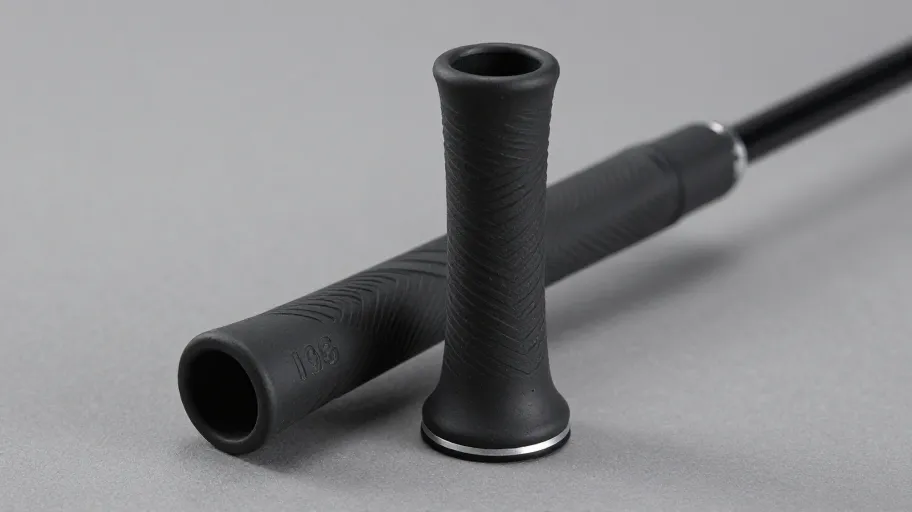
Researching the putter grip associated with Rory McIlroy for 2026 means converting a visual reference into a documented component specification you can verify, compare and approve. This guide applies the MATCH framework — Model reference, Alignment spec, Tolerances to confirm, Cross-check, Handover — so club builders and component researchers can source a grip against written evidence rather than assumption, and confirm every spec directly with the supplier before committing.
Turning a tour reference into a sourcing specification
A tour player's grip configuration is a moving target. It can change between events, be re-wrapped mid-season, or be replaced with a backup that looks identical but differs in weight or taper. A photograph from a broadcast tells you shape, colour and rough size — nothing more. That is enough to start a specification, and not enough to finish one.
The first stage of MATCH is therefore Model reference: record what you actually know, with dates. Note the event or appearance, the visual shape category (pistol, pistolero, oversized paddle, round), any visible branding or colourway, and the source of the observation. Keep this as an internal planning document. It is not proof of the exact retail SKU, and it does not establish what is currently shipping from any supplier.
The second stage is Alignment spec: translate the visual into the attributes that matter for a build — core diameter compatibility with your shaft, outer profile, weight band, taper geometry, and surface texture. Each of these must appear on a supplier's written spec sheet before you compare products, because grips that look alike in product photos can differ in every one of these measurable attributes.
The MATCH framework in full
| Stage | What you do | What it produces | What you must not do |
|---|---|---|---|
| M — Model reference | Document the visual reference with date and source | An internal reference sheet | Do not treat imagery as a confirmed SKU |
| A — Alignment spec | List required attributes: core, profile, weight band, taper, texture | A draft specification | Do not fix dimensions you have not verified |
| T — Tolerances to confirm | Ask the supplier for stated tolerances on every dimension and weight | A written tolerance record | Do not assume tolerance bands are uniform across suppliers |
| C — Cross-check | Compare spec sheet against sample and against your reference notes | A pass/fail evaluation | Do not approve on appearance alone |
| H — Handover | Record the approved specification for repeat orders | A build-sheet entry | Do not leave approval undocumented |
This is a sourcing discipline, not a consumer checklist. The output of MATCH is a document you can send to any supplier — including DIY-Golf — so that what arrives matches what you approved.
Component selection decision table
Use this table to structure your comparison before requesting quotes or samples. Fill it from supplier documentation only; mark anything undocumented as "to confirm."
| Decision factor | What to verify | Where it must come from | Risk if skipped |
|---|---|---|---|
| Core diameter compatibility | Grip core vs your putter shaft diameter | Supplier spec sheet plus your shaft measurement | Grip fits incorrectly or build fails |
| Outer profile | Pistol, pistolero, paddle or round geometry relative to your reference | Spec sheet and sample in hand | Visual mismatch with reference set-up |
| Weight | Stated grip weight and its effect on swingweight | Supplier documentation | Build balance differs from plan |
| Taper geometry | Parallel section length and taper rate | Supplier documentation | Hand position changes vs intent |
| Surface and material behaviour | Texture, firmness and any treatment claims | Sample evaluation | Feel differs from what was approved |
| Batch consistency | Whether repeat orders match the approved sample | Supplier confirmation in writing | Drift across future builds |
| Current policy | Sample policy, cost, shipping terms and returns | Direct confirmation from supplier | Budget and timeline surprises |
Note the final row. This article does not state what a sample policy includes, who bears which cost, or how returns are handled, because no such policy was supplied. Those terms are project-specific and must be confirmed in writing at the time of enquiry.
Sample evaluation: questions that decide approval
A sample exists to answer questions, and the questions should be written before the sample arrives. The following set is deliberately concrete. Answer each with a documented yes/no, and treat any "no" as a reason to pause, not to negotiate down your spec.
- Does the sample's stated core diameter match the spec sheet you were sent, measured on your own calipers?
- Does the measured weight fall within the tolerance the supplier stated in writing?
- Does the outer profile match your documented reference when placed side by side with your notes or reference grip?
- When installed on your intended shaft, does the grip seat without forcing, and does the alignment mark sit true?
- Does the surface texture feel consistent across the sample, with no visible seams, voids or finish defects?
- Is any branding, colourway or marking on the sample consistent with what was quoted?
- Has the supplier confirmed in writing that the production batch will match this sample?
Question 7 matters more than it appears. A sample that cannot be traced to a production commitment is an observation, not an approval basis. Ask the supplier to state, in writing, what the sample represents and how the delivered batch will relate to it.
Fitment questions for the supplier
Beyond the sample itself, put these fitment and process questions in writing before ordering:
- What is the current stated core diameter range for this grip family, and what tolerance applies?
- Which shaft diameters does the supplier document as compatible with this grip?
- What installation guidance does the supplier provide — tape buildup, solvent or activation requirements — and does it differ by model?
- What is the current sample policy, including any cost, shipping arrangements and whether terms change with quantity? Confirm current terms directly; do not rely on forum posts or older listings.
- What documentation accompanies the shipment — spec sheet, batch reference, or certificate of conformity, if any is offered?
Avoid asking "is this the McIlroy grip?" That phrasing invites an unverified yes. Ask instead: "Does this product's documented specification match the following reference attributes?" and attach your MATCH reference sheet. That keeps the burden of proof on documentation rather than association.
What this guide does not claim
A truth boundary is part of the value here. This page does not claim that any specific grip is the exact model used by any tour player in 2026, does not confirm compatibility with any named putter model, and does not assert stock, price, shipping terms, material composition, performance outcomes or warranty terms. Those facts change and must be confirmed first-party at the point of purchase. If a listing elsewhere claims a tour endorsement, ask for the documented specification behind the claim and compare it against your own reference sheet.
FAQ
How do I confirm which grip to order when reference imagery changes mid-season? Build your reference sheet with dates, then order against a written specification rather than a moment-in-time photograph. The MATCH reference stage exists for exactly this: document what you saw, when, and then verify attributes against supplier documentation before any purchase decision.
What measurements should I take before requesting a sample? Measure your putter shaft diameter at the grip section, record your target swingweight or balance goal, and note the outer profile of your current or reference grip. These three inputs let you evaluate any candidate grip objectively rather than by appearance.
Can I rely on product photos to judge taper and size? Photos establish shape category and colourway, and little else. Taper geometry, core diameter and weight are documented attributes. Request the spec sheet, and where a tolerance is not stated, ask for it in writing before comparing products.
How should I handle a sample that differs from the quoted spec? Stop and reconcile. Send the supplier your measured values alongside their documentation and ask them to explain the difference. Do not approve a mismatch on the expectation that production will be closer than the sample; approval should be based on evidence you can point to.
What belongs in my final build record? The approved spec sheet, your sample measurements, the supplier's written confirmation that production will match the sample, and the fitment notes for the shaft it was installed on. That record is what makes a repeat order — or a dispute — manageable.
Get the sourcing brief
Ready to convert this framework into a written enquiry? 获取采购 Brief — a structured document you can send to any supplier, covering spec verification, sample approval questions and the confirmations you need in writing before ordering.
Low-friction checklist: five things to confirm before you order
Before any purchase, run this quick gate:
- Core diameter documented and matched to your measured shaft
- Weight and tolerance stated in writing
- Sample evaluated against your reference sheet
- Current sample, cost, shipping and returns policy confirmed directly with the supplier
- Approved specification recorded for the build sheet
If any box is unchecked, the next step is a written question to the supplier — not an order.
Master Your Swing, DIY Your Fit. DIY Golf is the premier destination for the technical golfer. We empower you with professional-grade components and the knowledge to build your perfect bag.


