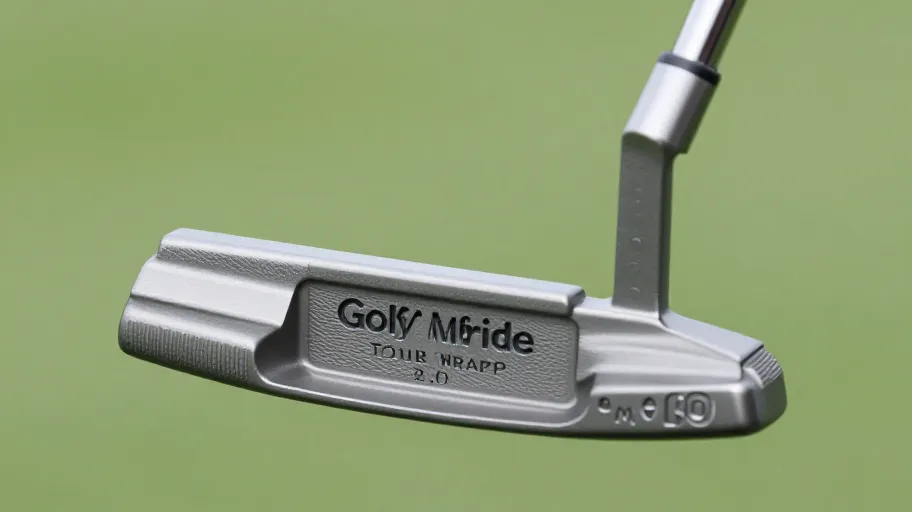
Rory McIlroy's putting grip style refers to the combination of grip model, size profile, texture and installation interface a tour professional uses on the putting green — information that is observed, not published as a certified specification. For club builders and component buyers, the productive question is not "what exact grip does he use" but "which documented grip specification delivers the size, feel and balance my build requires?" Use the GIM framework below to convert a player reference into an approvable component decision.
The Grip Identity Match (GIM) framework
GIM breaks a putting grip decision into four verifiable dimensions. Each dimension is checked against the component's published specification and confirmed with the seller before approval:
- Model identity. Identify the grip model family you are sourcing. Player configurations change across seasons and events; treat any tour observation as a starting hypothesis, not a spec.
- Size profile. Compare the grip's cross-section — standard, mid, oversize or pistol shape — against the target build. Size affects hand placement and wrist action, so verify the exact profile on the component listing.
- Texture and tack. Surface finish determines feel in humidity and over long rounds. Confirm the listed material family and finish description for the exact SKU.
- Installation interface. Check the core diameter and shaft compatibility for the putter in hand. Fitment claims must be verified against the specific putter model and shaft, not assumed from brand names.
Decision table: from player style to component check
| What the buyer observes | Component dimension to verify | Where risk appears | Approval action |
|---|---|---|---|
| Oversize or mid putter grip reference | Cross-section size profile on the listing | Listings vary by region and revision; photos can mislead | Confirm the stated size profile for the exact SKU in writing |
| Pistol or round shape preference | Shape family in the product specification | Shape names are used inconsistently across makers | Request the manufacturer's shape chart and compare |
| Texture, colour or corded look | Surface finish and material family | Visual similarity does not confirm composition | Ask for the listed material and finish details before ordering |
| Weight or balance tuning goal | Grip weight where published | Weight affects putter balance; not all listings state it | Ask whether the weight figure is published for the exact model |
| Reference to a specific tour player | Model identity only | Tour builds are personal and undocumented | Treat the player reference as a starting point; approve on component facts |
This table keeps the sourcing decision anchored to what a supplier can document, rather than to what a broadcast camera suggests.
Approval questions to send before purchase
Use these questions with any component seller before approving a grip purchase or tuning project:
- What is the exact model, revision and SKU of the grip in question?
- Which size profile and shape family does this SKU carry, per the manufacturer's own chart?
- Is the core diameter compatible with the putter shaft specified in my build, per current first-party fitment evidence?
- Is the weight of the grip published for this model, and can it be supplied in the order confirmation?
- What is the current stock position for this SKU, and how is it confirmed at order time?
- What sample, cost, shipping, returns and warranty terms apply to this component? Confirm the current policy directly.
- How are installation dimensions and double-sided tape requirements documented for this grip?
None of these questions can be answered from observation of a tour professional's putter. They can only be answered by the seller for the exact component — which is precisely why they belong in your approval workflow.
Fitment and verification boundaries
Two boundaries protect your project from expensive mistakes.
First, player references are hypotheses. A tour professional's grip configuration can change week to week, and no third-party listing can certify it. Any component page that claims an exact match to a player's personal build should be treated as unverified until the seller provides first-party evidence for the specific SKU.
Second, fitment is model-specific. Compatibility between a grip and a putter depends on the exact shaft interface, not the brand on the head. Before approving a replacement or tuning component, verify the grip's core, the putter's shaft diameter, and any build notes from the original fitting. If your project is a repair or retrofit of an existing club, document the removed grip's markings first — model, size band, and any identifier printed on the cap — and compare it against the candidate component listing.
FAQ
Is a putter grip "style" the same as a putting grip technique? No, and the distinction matters for buyers. Technique is how the hands are placed — conventional, cross-handed, claw. Grip "style" as a component question covers the physical grip: model, size profile, shape, texture and weight. A player's technique may influence which grip shape suits a build, but the purchase decision rests on documented component specifications.
Can I source the exact grip a tour professional uses? Tour configurations are personal and can change between events. Sellers can supply the retail model that appears closest, but compatibility, stock and specification must be confirmed against the exact SKU. Confirm the current policy directly.
How does grip size profile affect the build decision? Larger profiles can influence wrist movement and hand quieting, while smaller profiles change feel and pressure. These are fitting outcomes, not component facts — so verify the size profile on the listing and leave performance expectations to your own fitting process rather than to seller claims.
Should I ask about grip weight before ordering? Yes. Grip weight interacts with putter balance, and not every listing publishes it. Request the weight figure in the order confirmation so your build documentation stays complete.
What documentation should I keep for a component approval? Record the SKU, size profile, shape family, stated material, core diameter, published weight, fitment confirmation for the target putter, and all policy confirmations in writing. This record is what turns an inspired purchase into a repeatable build.
Your next step
获取采购 Brief — request the sourcing brief and convert this research into a documented, approvable grip specification for your next build or client project.
Master Your Swing, DIY Your Fit. DIY Golf is the premier destination for the technical golfer. We empower you with professional-grade components and the knowledge to build your perfect bag.


