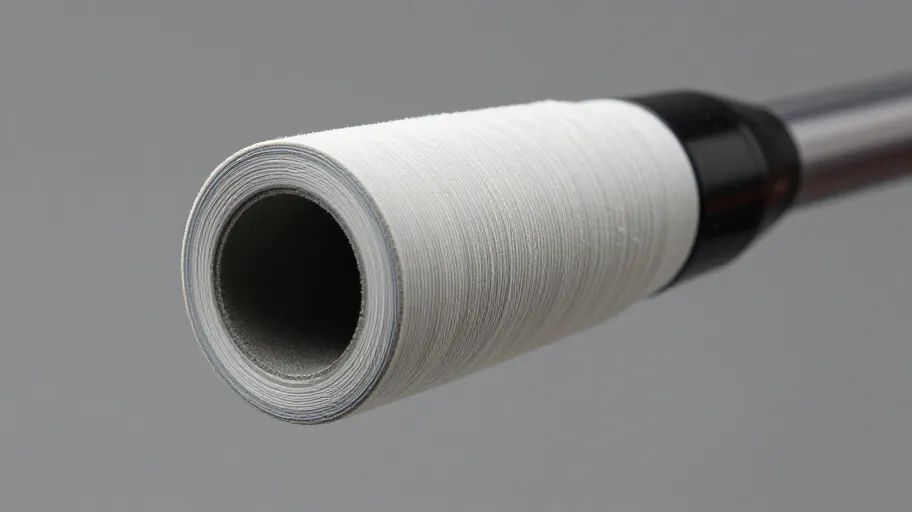
Tiger Woods grip size is best treated as a build specification, not a single published number: it is the combination of grip core inner diameter, grip wall thickness and any build-up tape under the grip on a specific club at a specific time. Tour specs circulate informally and change, so before sourcing replacements you should parse the spec into orderable attributes, verify fitment against your exact butt diameter, and confirm sample and policy terms directly with the supplier. This guide gives club builders a framework for doing exactly that.
Why a tour spec is a starting point, not a purchase order
When a tour player's grip setup is discussed publicly, the detail that travels is a label — "standard plus layers", "midsize", "oversize" — not a verified measurement. Labels describe feel. A sourcing decision needs attributes you can put on a purchase specification: core inner diameter relative to shaft butt diameter, wall thickness, taper profile and the number of build-up layers used in the reference build.
Two builders using grips with the same label can produce meaningfully different final diameters if the core size, the tape schedule or the shaft butt differ. That is why this guide does not assert what is currently on any specific player's clubs. Instead, it shows you how to turn whatever reference spec you are working from into a documented, verifiable component selection.
The SPEC-Approve framework
Use SPEC-Approve whenever you source grips based on a tour-player reference:
- S — Spec. Write down the reference build as attributes, not labels: grip core size, wall thickness goal, tape layers, target final feel.
- P — Parse. Separate what the grip itself contributes (core and wall) from what the installer contributes (tape build-up). Only the first part goes on the purchase order.
- E — Evidence. Gather first-party evidence for the exact component and model you intend to buy: manufacturer stated core diameter, taper and material. Label marketing copy is not evidence.
- C — Confirm. Ask the supplier to confirm fitment against your shaft butt diameter, current sample policy, and batch consistency controls, in writing.
- A — Approve. Approve only after the confirmed spec matches your parsed target, and document what you approved so re-orders are repeatable.
Parsing "grip size": the four variables
Any statement about a player's grip size resolves into four variables you control at the bench:
- Core inner diameter. The hole through the grip. Combined with the shaft butt diameter, it determines how much the grip stretches when installed, which alters wall thickness and final feel.
- Wall thickness. How much rubber sits between the shaft and the hand. Two grips with the same core can feel different because the walls differ.
- Build-up tape. Layers under the grip increase effective diameter. The same grip plus different tape schedules produces different sizes — this is the most common source of confusion when translating a tour reference.
- Hand and preference. The player's hand size and release pattern motivate the build in the first place; your build should be motivated by your player, with the tour reference only as a calibration input.
A sourcing specification should therefore state: grip model, core size, target butt diameter it will be installed on, and the tape schedule you will apply. Anything less invites a mis-order.
Decision table: from reference spec to orderable component
| Sourcing path | What you specify | What you must verify with the supplier | Risk if skipped |
|---|---|---|---|
| Match the reference exactly | Grip model and core size as documented in your parsed spec | Current availability of that exact model and core; that the model's stated core matches your record | Model revisions silently change wall or taper |
| Replicate the feel with a different model | Target final installed diameter and your tape schedule | The substitute model's core and wall figures, in writing | Same label, different feel after installation |
| Build a custom schedule | Grip core plus a documented build-up plan | That the grip wall tolerates your planned stretch without changing feel or longevity claims — ask, do not assume | Over-stretching alters tack and durability |
| Batch order for multiple builds | One written spec sheet reused across orders | Batch-to-batch consistency controls and how deviations are handled | Second order does not match the first |
Note that none of the "verify" cells can be filled from this article. Sample terms, availability, consistency controls and fitment confirmation are project-specific facts that DIY-Golf or the component supplier must confirm for your exact order.
Approval questions to put to your supplier
Before approving any grip purchase based on a tour-player reference, get written answers to these:
- What is the stated core inner diameter and taper profile for this exact grip model and production run?
- Is this model confirmed to fit the butt diameter of the shaft family I am building on, for the exact model I will use?
- What is the current sample policy — what does it cover, and what are its terms? (Confirm directly; do not rely on prior experience or hearsay.)
- What consistency controls exist between production batches, and how are deviations flagged?
- What is the current policy on returns or exchanges if the installed grip does not match the documented spec? (Again: confirm the current policy directly.)
- Are any material or performance claims for this model supported by first-party documentation I can review?
If any answer is verbal only, request it in writing before approving. The written record is what makes your next repeat order reliable.
Pre-order checklist
- Reference spec parsed into core, wall, tape and hand variables
- Grip model and core size written on a spec sheet
- Butt diameter of target shaft family documented
- Supplier has confirmed fitment for the exact shaft model in writing
- Sample policy requested and received in writing
- Batch consistency question asked and answered
- Approval recorded with date and evidence attached
FAQ
Is a tour player's grip size a fixed number I can order? No. It is a build outcome — core, wall and tape on a specific club at a specific time. Publicly discussed tour specs should be treated as references to parse, not numbers to order. Confirm the current specification of the component you select directly with the supplier.
What matters more: grip core size or build-up tape? Both. The core determines how the grip sits on the shaft; the tape schedule determines how large the installed grip feels. If you change one, re-check the other before ordering or installing.
Can I assume a grip labelled "midsize" or "standard" matches another with the same label? Verify rather than assume. Wall thickness, taper and core can differ between models with similar labels. Compare documented figures for the exact models, then confirm with the supplier.
How do I handle a player who wants "the same grip as" a tour pro? Use SPEC-Approve: document the reference, parse it into attributes, fit those attributes to the player's hand and shaft, verify the component's documented spec, and approve against the written record. The tour reference calibrates the build; the player's measurements drive it.
Should I request a sample before a batch order?
Next steps
If you are sourcing grips against a tour-player reference, start with the paperwork, not the part. 获取采购 Brief and use it to document the spec, the verification steps and the approval record before you commit to an order.
Prefer to move in smaller steps? Copy the pre-order checklist above into your build file and work through it line by line — every unchecked box is a question worth asking before money changes hands.
Master Your Swing, DIY Your Fit. DIY Golf is the premier destination for the technical golfer. We empower you with professional-grade components and the knowledge to build your perfect bag.


