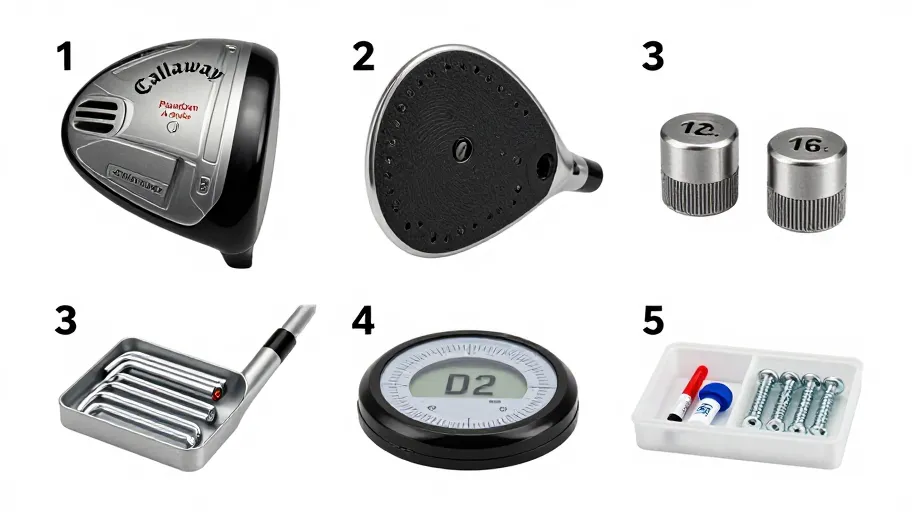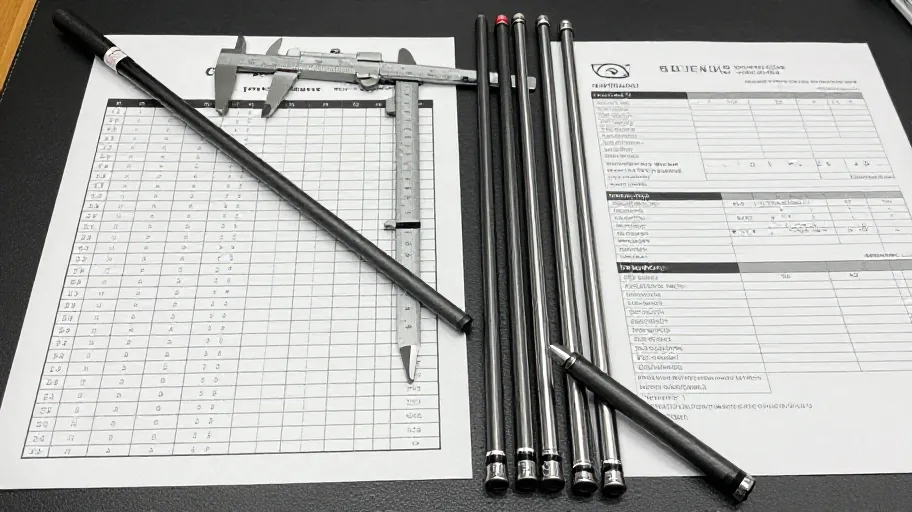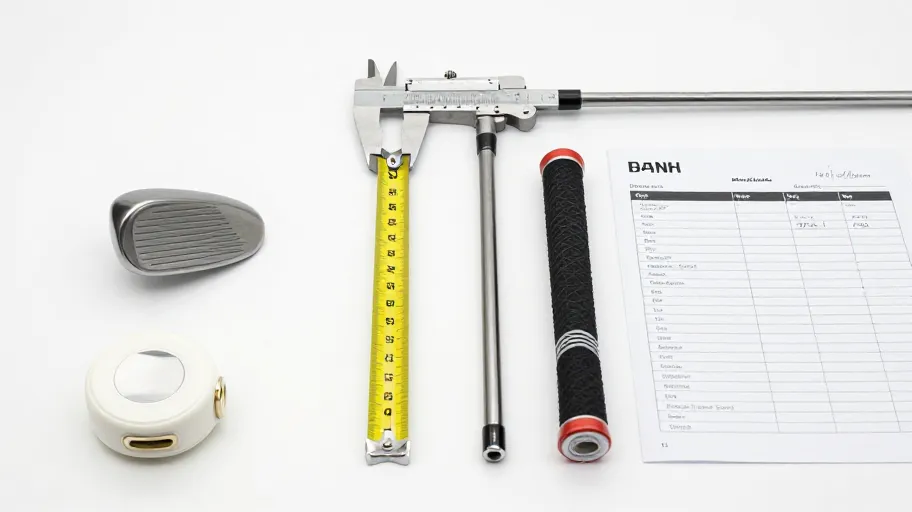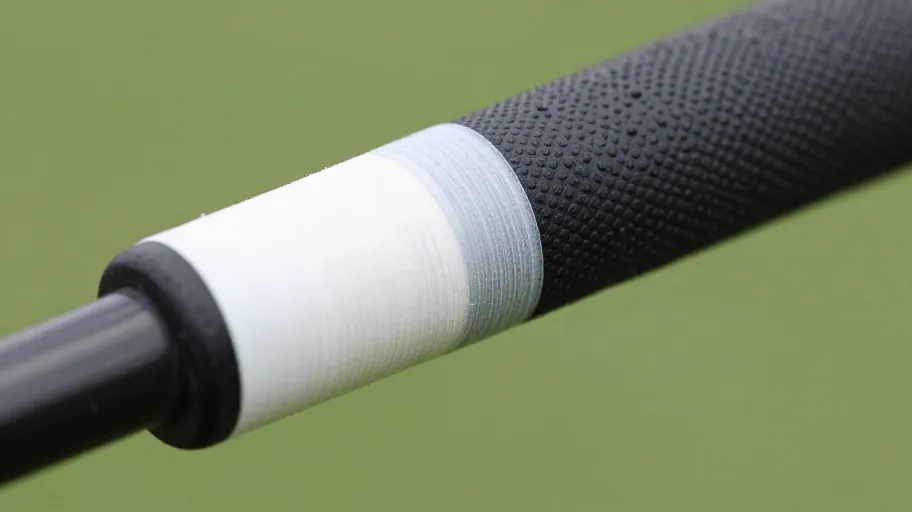
What is Tiger Woods grip size? Public reporting describes Tiger Woods as using a standard-size grip with multiple wraps of build-up tape, producing a midsize feel — but no first-party specification sheet confirms the exact layer count, core size or butt diameter for any given week. Treat the Tiger Woods reference as a directional data point, not a specification: verify the current spec against documented evidence, then map it to your own build requirements before you source components.
That framing matters because this question is a sourcing question in disguise. Golfers and club builders ask it while selecting a replacement grip, a shaft with the correct butt diameter, or a build-up tape plan for a specific club family. The answer they need is not a single number — it is a repeatable method for turning a tour reference into an approved purchase.
The Spec-Trace-Approve framework
Use three stages to convert curiosity into a documented sourcing decision:
- Spec — Write down what you actually know: grip model family if verifiable, stated core size, stated wrap count, and the club's butt diameter. Separate what is reported from what is confirmed.
- Trace — Trace each claim to a first-party source: an equipment photo, a builder's documented statement, or the manufacturer's own published spec for the exact model. If you cannot trace it, mark it "unverified" in your notes.
- Approve — Approve the component order only when the spec, your hand measurements and your build intent all agree, and the supplier has answered your written questions.
This framework keeps a tour player's preference from silently becoming your requirement.
What is and is not documented
Reported observations about Tiger Woods's grips have circulated widely, and some details appear consistent across secondary coverage. But consistency of reporting is not evidence. For a buyer, three gaps matter:
- Exact build-up count per club. Wrap counts reported in secondary media cannot be treated as a fixed build sheet. Tour builds are adjusted club to club and season to season; confirm any figure you intend to copy against a current, traceable source.
- Core size versus felt size. A standard-core grip with build-up tape and an oversized grip can feel similar in hand yet behave differently in your build. Document which one your reference describes before ordering either.
- Model and lot. Grip models are revised over time. A reference tied to an older model may not transfer to the current version of the same family; verify the exact model and revision with the supplier.
None of this makes the reference useless — it makes it a starting hypothesis. Your job as a builder or sourcing buyer is to test that hypothesis against your own measurements and the supplier's confirmed specifications.
Mapping the reference to your build: decision table
| Build intent | How to treat the Tiger Woods reference | What to confirm with the supplier | Risk if skipped |
|---|---|---|---|
| Like-for-like replacement on one club | Use reported spec as hypothesis only | Exact grip model and revision in stock; core size; butt diameter match | Wrong core for shaft butt; rework |
| Rebuilding a full set to a felt midsize | Convert reference to a target diameter, not a copy of a wrap count | Whether base grip plus tape plan reaches your measured target | Inconsistent feel across the set |
| Tuning for a specific player's hand | Ignore the tour reference as a spec; use hand measurement protocol | Supplier's guidance on sizing inputs for the exact grip family | Fitment that suits a pro, not the player |
| Sourcing components for resale builds | Document the spec chain for each component | Current availability of the exact model; written spec confirmation | Unverifiable claims in your own build records |
The pattern: the tour reference earns a place in your notes, not in your purchase order. Your purchase order should cite measured diameters, named models and written supplier confirmations.
Supplier approval questions before purchase
Before approving a grip or build-up component order, send the supplier a short written list and keep the answers on file:
- Can you confirm the exact model name and revision of the grip matching this specification, in writing?
- What is the core size and the recommended butt diameter range for this exact grip, per the manufacturer's current published data?
- Which build-up tape options do you stock that reach a target felt diameter, and how is each documented?
- Is the referenced model currently available for this order, and in what pack or unit configuration?
- What is your current policy on samples, pricing, shipping and returns for this item — and where is it published?
- If a delivered grip does not match the confirmed specification, what is the documented resolution path?
These questions convert vague product pages into a paper trail. Do not rely on the supplier to volunteer commercial terms; ask for the current policy directly and in writing. DIY-Golf has not supplied product-specific sample, cost, shipping or production policy details for this article, so confirm every commercial term before committing.
Inspection and acceptance checklist
Run this checklist when the components arrive:
- Delivered grip model name and revision match the written confirmation
- Core size on the packaging or cap matches the confirmed specification
- Grip texture and colorway match the confirmed model family
- Build-up tape, if ordered, matches the confirmed product and quantity
- No visible damage, deformation or contamination on any unit
- Count matches the order document
- All supplier confirmations filed with the order record
If any item fails, document it and contact the supplier through the resolution path they confirmed in writing.
FAQ
Can I just copy Tiger Woods's grip size for my own clubs? You can use it as a starting hypothesis, but a tour build is tuned to one player's hands, swing and club set. Measure the player's hands, document the target felt diameter, and confirm components against that target rather than against a reported tour spec.
How do I verify a reported grip spec before ordering? Trace it to a first-party source: manufacturer-published data for the exact model, or a documented statement from a builder with direct access to the club. Label anything else in your notes as unverified, and ask the supplier to confirm the specification in writing.
Does a build-up tape plan and an oversized grip give the same result? They can produce a similar felt diameter, but they are different components with different weight and installation implications. Decide which approach fits the build, then confirm the exact product and plan with the supplier.
What should I ask DIY-Golf before ordering grips or build-up materials? Ask for written confirmation of the exact model and revision, core size, availability, and the current policy on samples, pricing, shipping and returns. Keep the answers with your order record so acceptance checks have a baseline.
Why does the source of a grip spec matter for a small order? Small orders magnify mistakes: one wrong core size wastes the whole component and the installation labor. A documented spec chain makes errors detectable at the acceptance step instead of after installation.
Next step
If you are sourcing grips or build-up components against a tour reference, start with a documented plan. 获取采购 Brief — get the DIY-Golf sourcing brief and turn the Tiger Woods question into an approved, verifiable component order.
Prefer to move step by step first? Use the inspection and acceptance checklist above as your working document, then request the brief when your spec chain is ready to purchase against.
Master Your Swing, DIY Your Fit. DIY Golf is the premier destination for the technical golfer. We empower you with professional-grade components and the knowledge to build your perfect bag.