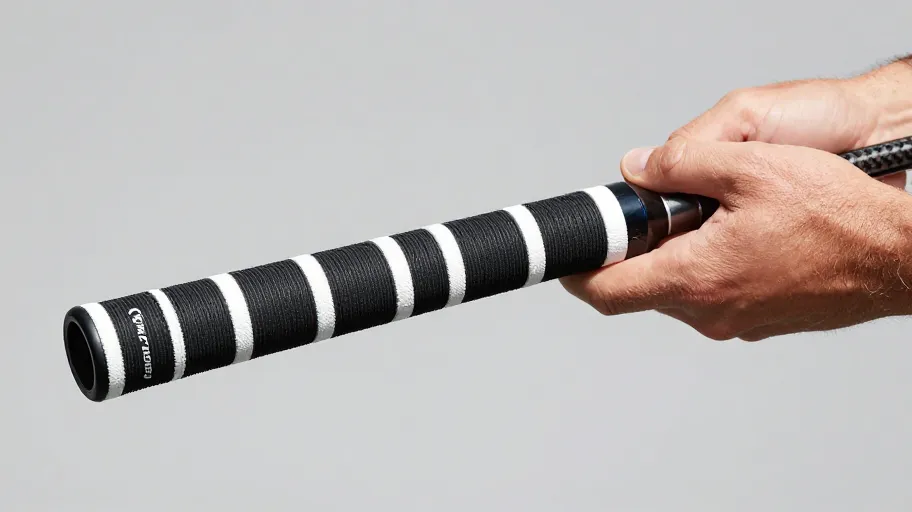
Rory McIlroy's grip choice is a starting reference, not a confirmed specification: reports about a tour professional's exact grip model, size and setup change over time and should always be verified against current first-party evidence before you buy. The practical move is to treat the question "which grip does Rory McIlroy use?" as a prompt to write down the specs you actually want — size, weight, texture, taper and installation — and confirm availability through a documented request.
Why this question is really a specification question
If you are researching replacement grips for a specific driver, fairway wood, hybrid or iron set, a tour player's choice can be a useful filter. It tells you the grip family is trusted at a high level of play. But it tells you nothing on its own about:
- the exact model and grip size the player is using today, which can change between seasons and even between events;
- whether that exact configuration is available to you in the sizes and quantities you need;
- whether it is the right grip for your hands, swing and club model — a professional's preference reflects their hands and release, not yours.
That is why the Spec-Confirm-Approve Path exists. It separates what you have heard, what you can confirm, and what you should approve before committing.
The Spec-Confirm-Approve (SCA) Path
Step 1 — Spec. Write the specification before you ask for anything. "The grip Rory uses" is not a specification; a documented shortlist is. Use the table below.
| Spec dimension | What to write down | Confirmation question for the supplier |
|---|---|---|
| Grip family / model | The model name and family you are shortlisting, based on your own research. | "Can you confirm the current model name and construction for this family?" |
| Size / core | Core size, build-up preference (standard, midsize, oversize, or built up with tape wraps). | "Which sizes and core configurations are currently offered for this model?" |
| Weight | Target undipped weight class or swing-weight contribution you are aiming for. | "What weight documentation can you provide for each size in this family?" |
| Texture / surface | Corded, non-corded, hybrid, or specific texture you prefer in wet and dry conditions. | "Can you confirm the surface treatment and material composition as currently specified?" |
| Taper profile | Whether you want a taper profile matched to your iron set or a consistent profile across the bag. | "Does this model's taper profile suit irons versus woods, and can you document the difference?" |
| Installation | Tape method, solvent, grip lock or ribbed alignment, and who installs. | "What installation guidance do you provide, and what do you need from me to advise on fitment for my exact club model?" |
Step 2 — Confirm. Send the specification, not a vague enquiry. A request that names the club brand, family and model, plus the grip spec above, can be answered precisely. A request that says "the grip McIlroy plays" cannot. Verify every commercial term directly with the supplier; nothing in this article confirms price, availability, sample policy, shipping terms or lead times.
Step 3 — Approve. Ask for a sample under the current policy, confirm the sample terms in writing before anything ships, then approve the grip on your own clubs with your own hands. Feel, traction, torsion and how the grip seats on your shaft are approval criteria, not brochure claims.
Turning the pro reference into a procurement brief
When you request the brief, include:
- Your club brand, family and model for each club the grips will go on (for example, "Brand X Model Y driver, 9°, Brand Z stock shaft" — as it reads on your club, not from memory).
- Your shortlisted grip family and the spec table, completed as far as you can.
- How you intend to use the result: a single rebuild, a full set re-grip, or a customer build programme if you are a club builder.
- What you need confirmed: availability in your sizes, sample terms under the current policy, and any fitment guidance for your exact model.
That last point matters. DIY-Golf's public pages focus on component selection and golf club fitment guidance, so the more precisely you name the club, the more useful the fitment answer will be.
Sample and approval questions to put in writing
Before any sample arrangement, ask the supplier directly:
- "What is the current sample policy for this grip model, and who covers shipping?" — confirm, do not assume.
- "Is there any cost associated with the sample, and what are the terms?" — get it in writing before you agree.
- "What documentation accompanies the sample — weight, material, or specification sheet?"
- "If I approve this sample, what is the process and the current timeline for the quantity I need?"
- "What should I check on the sample to confirm it matches the specification we agreed?"
None of these questions presumes an answer, and that is deliberate. Policies change, and the only current source is the supplier's own confirmation.
Checklist: are you ready to request the brief?
- I have named the club brand, family and model for every club in scope.
- I have completed the spec table as far as my own research allows.
- I understand that the tour-pro reference is a starting point, not a confirmed spec.
- I know which sizes and configurations I want quoted, even if the answer is "not available".
- I have listed the terms I need confirmed in writing (sample policy, shipping, availability).
- I am ready to evaluate the sample on my own clubs before approving anything.
If you can tick most of these, the brief will take minutes. If not, the checklist shows you exactly which gaps to close first.
FAQ
1. Can I buy the exact grip Rory McIlroy uses? This article cannot confirm a professional player's current equipment. Tour setups change, and public claims about a player's grip are not first-party evidence. Use the pro reference to shortlist a grip family, then confirm the current model, sizes and availability directly with the supplier before you buy.
2. Should I copy a tour player's grip size? Not on that basis alone. Grip size should follow your hand measurements, glove fit and shot pattern, and the fitment guidance on DIY-Golf's public pages is the right place to start. A professional's hands and release differ from yours; their size preference is not a fitment recommendation.
3. What if the grip I shortlist is not available in my size? That is exactly what the confirmation step is for. Ask the supplier which sizes and configurations are currently offered for that family, and ask whether an alternative family with a comparable surface and taper profile can be documented for comparison.
4. Do I need a sample before ordering?
5. I'm a club builder sourcing for customers — what changes? The path stays the same, but your brief should state the build programme's scope, the range of club models in scope, and what documentation you need to approve the grip on behalf of customers. Name the club families precisely so fitment guidance can be matched to each model.
获取采购 Brief
Send us your completed spec table with your club brand, family and model details, and we will return a procurement brief covering availability questions to confirm, fitment considerations for your exact clubs, and the approval steps before you commit. No assumptions, no vague quotes — a document you can act on. 获取采购 Brief today and turn the question "which grip does Rory McIlroy use?" into a specification you can actually order against.
Master Your Swing, DIY Your Fit. DIY Golf is the premier destination for the technical golfer. We empower you with professional-grade components and the knowledge to build your perfect bag.


