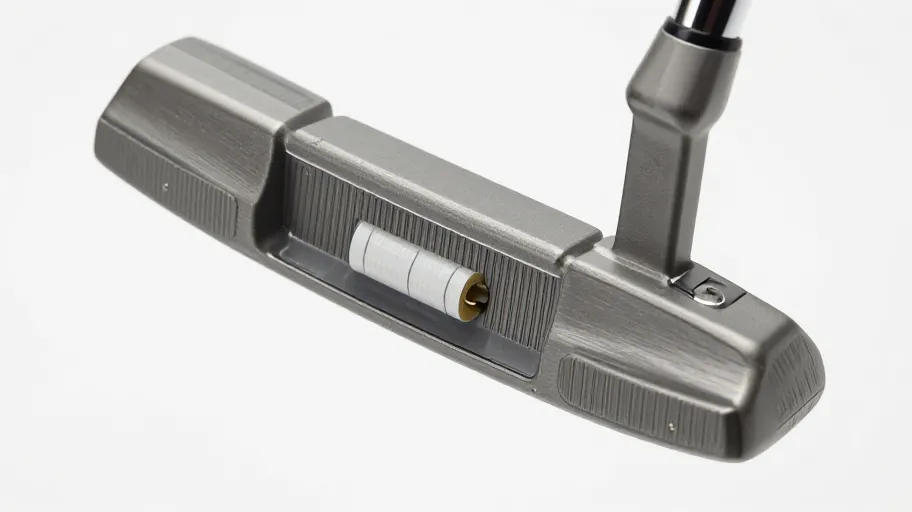
Rory McIlroy has been widely reported to use a pistol-style putter grip on his tour putter, and reports about the exact model, size and weight have varied across seasons and club changes. For a builder or sourcing buyer, the model name matters less than the verifiable specification set: core diameter, grip weight, shape family, surface texture and installation details. Treat any tour-player grip report as a reference point to verify, not a specification to order against. Confirm current details against first-party evidence before committing to a purchase.
Why the model name is the wrong anchor
The question "which putter grip does Rory use?" is a useful entry point, but it is a weak sourcing anchor. Tour setups change without announcement. Public reports are second-hand. And even an accurate model name tells you nothing about the variables that determine whether the grip suits your build: the core, the weight, the installed diameter and the shaft preparation underneath it.
A more reliable approach is the Spec–Match–Approve framework:
- Spec — extract the reference specification set from whatever credible description you have: shape family, approximate size class, weight class, core size.
- Match — compare that reference set against your own build requirements and your customer's stroke and feel preferences.
- Approve — document what the supplier confirms about the exact product, model, sample terms and policies, and sign off only on confirmed facts.
This keeps the tour reference useful as inspiration while protecting you from ordering on a rumour.
Decision table: what should you actually source?
| Your build intent | Role of the "Rory grip" reference | What to prioritise | Approval requirement |
|---|---|---|---|
| Like-for-like replacement on an existing putter | Reference only | Match installed diameter, core and shape family of the outgoing grip | Confirm the exact model and size with the supplier before ordering |
| Feel tuning for a specific stroke | Starting hypothesis | Weight class and shape family; document how each changes feel | Test against a documented sample before committing |
| Customer request for "the Rory setup" | Conversation anchor | Explain spec variability; agree a documented target spec | Written confirmation of model, core, size and finish |
| General stock for a fitting bench | Not a driver | Breadth of core sizes and shape families to cover varied builds | Confirm availability and range coverage per model |
The common thread: the reference answers "what direction?", not "what exactly?". The exact answer comes from the supplier in writing.
The specification checklist a builder should assemble
Before contacting any supplier, build a one-page reference sheet for each candidate grip:
- Core size — the internal diameter that mates with the shaft. Confirm what the specific model is offered in.
- Grip weight — affects overall putter balance. Ask the supplier to confirm weight for the exact SKU.
- Shape family — pistol, paddle, mid-size, oversize, arm-lock style. Match to the stroke concept, not to the name on tour.
- Installed size / hand-feel — ask how size class is defined for that model line, since definitions vary between makers.
- Surface and texture — confirm finish options for the exact model.
- Installation requirements — tape build-up, shaft prep and any fitment constraints. Confirm compatibility with the target putter model directly.
Mark each line as confirmed, assumed or unknown. Never let an "assumed" line reach a purchase order.
Approval questions for the supplier
These turn every unknown in this article into a project-specific query. None of the answers can be assumed; all must be confirmed in writing for the exact product and model:
- Which core sizes and size classes is this specific grip model currently produced in?
- What is the confirmed weight for the exact SKU being quoted?
- What is your current sample policy for this grip — availability, any fees, and terms? Confirm the current policy directly.
- What are the current production and delivery timeframes for the quantity in this project?
- What quality documentation accompanies production runs of this model?
- What is the returns or claims process if a delivered grip does not match the documented specification?
- Can you confirm in writing that this grip is compatible with the putter model and shaft preparation in my build?
FAQ
Is the grip Rory uses available to buyers? Availability varies by model and market, and tour-specific builds may differ from retail versions. Confirm current availability of the exact model and SKU with the supplier before quoting it to a customer.
Does using the same grip improve putting performance? No performance outcome can be claimed here. A grip changes feel and balance; whether that helps depends on the individual stroke, the putter head it is paired with, and proper installation. Document your own testing rather than relying on tour association.
What matters more: the grip model or the size?
How do I verify a tour-player report before using it as a reference? Cross-check the report date, the putter model it refers to, and whether the player has changed equipment since. Then treat the report only as a directional reference and confirm the actual specification with the supplier for the product you intend to buy.
What should I put in writing before approving a purchase? Model name, SKU, core size, size class, weight, finish, quantity, sample terms, delivery terms and the claims process — all confirmed by the supplier for that exact product, dated and attached to your order.
Get the sourcing brief
Turn this framework into a working document: [获取采购 Brief] and structure your next component conversation around specs, samples and written approval — not around a name.
Low-friction next step
Not ready to request the brief? Start with the specification checklist above: fill in every line as confirmed, assumed or unknown, and resolve every unknown with a supplier email before your next order. It takes minutes and it prevents mis-specified components.
Master Your Swing, DIY Your Fit. DIY Golf is the premier destination for the technical golfer. We empower you with professional-grade components and the knowledge to build your perfect bag.


