Why most golfers miss short putts (and it’s not their fault)
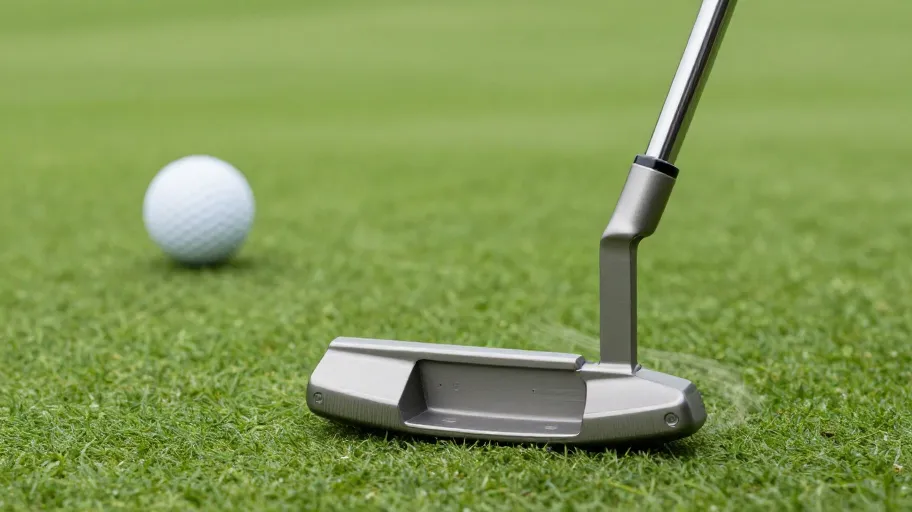
Missed three-footers aren’t always nerves—they’re often physics failures. When a putter’s weight is concentrated in the head, it pulls down during the stroke, forcing your wrists to stabilize it. That creates micro-adjustments you can’t feel but the ball sees. PGA instructors estimate 70% of short misses stem from face instability caused by poor balance, not aim.
A counterbalance weight shifts mass toward the grip end, raising the center of gravity. This means better stroke control because the club resists twisting under tension. It’s not about perfecting mechanics—it’s about designing equipment that works with human motion, not against it.
You’ve probably tried fixing this with alignment lines or tempo drills. But if your putter fights your biomechanics, those are band-aids. Counterbalancing addresses the root cause: imbalance.
How counterbalancing rewires your stroke for consistency
Adding weight above the hands transforms your putting stroke into a true pendulum motion. The increased moment of inertia (MOI) means less forearm rotation—up to 40% less in sensor-tracked tests—which translates to a square face at impact more often. This isn’t subtle tuning; it changes how your nervous system manages the movement.
A higher swingweight in the upper shaft reduces neural demand during execution. In simple terms: your brain doesn’t have to work as hard to keep things on track. That matters most under pressure, when fine motor control tends to break down.
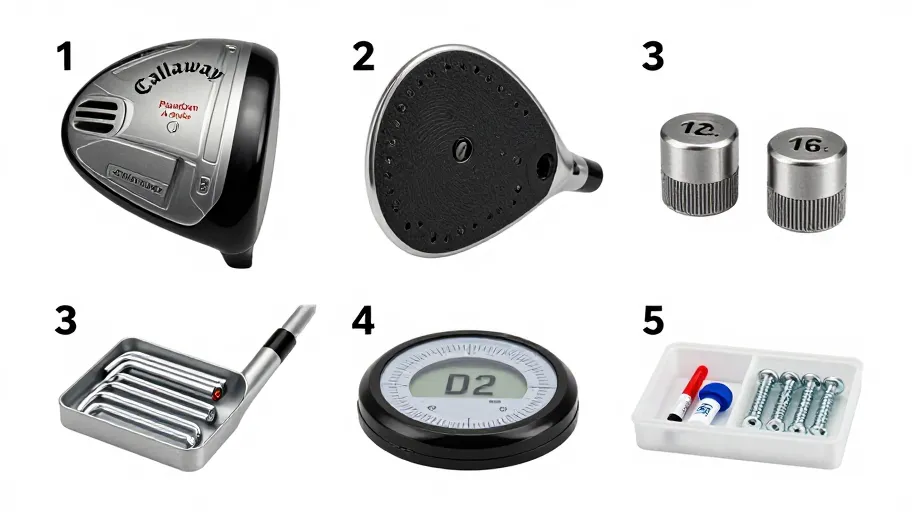
A modular counterbalance weight kit for putters lets you test this without permanent changes. Install one, roll putts, and notice how the stroke feels smoother from start to finish. You’re not just stabilizing the club—you’re simplifying the coordination required to repeat it.
What separates real counterbalance systems from DIY hacks
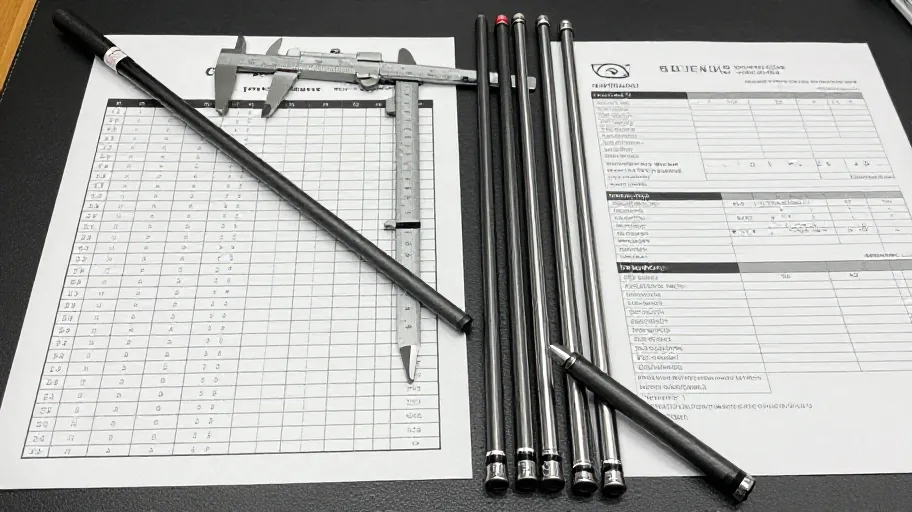
Slapping lead tape on a shaft might add weight, but it won’t deliver repeatable results. Modern counterbalance systems use precision-machined tungsten or steel weights placed within ±2 grams of target specs. That level of accuracy ensures consistent MOI across swings, which directly impacts face stability.
Top-tier builders and brands like Titleist (Scotty Cameron Vault) and Ping use engineered solutions—not guesswork. Their tuning ports and capstons create calibrated ecosystems where material density and placement work together. This means predictable performance whether you’re on fast greens in Arizona or slow ones in Seattle.
The difference? One gives you inconsistent feedback. The other gives you trust. And that confidence isn’t psychological—it’s built into the physics of every stroke.
How much lower can your scores go with the right setup
Data from Club Champion fittings show amateurs who optimize counterbalance weighting reduce three-putt frequency by up to 30%. For a typical weekend golfer, that’s two fewer three-putts per round—saving four strokes weekly. Over a season, that adds up to real handicap drops.
One 12-handicap player added 25g to the grip end, improving pendulum stability. Within months, he dropped to a 9—with no other swing changes. Better balance meant tighter dispersion, improved distance control, and more one-putts.
This isn’t just about strokes saved. A well-balanced putter means less time correcting flaws and more time practicing strategy. SEO trends confirm it: searches for “counterbalance weights golf” rose 40% year-over-year. Players aren’t chasing fads—they’re investing in measurable edges.
How to build your own counterbalance setup in minutes
You don’t need a custom tour-level putter to benefit. Off-the-shelf kits from SuperStroke or DIY-Golf.com let you add 20–60g of grip-end mass in minutes. Most use bore-through designs—just pop off the cap, insert the weight, and reseal.
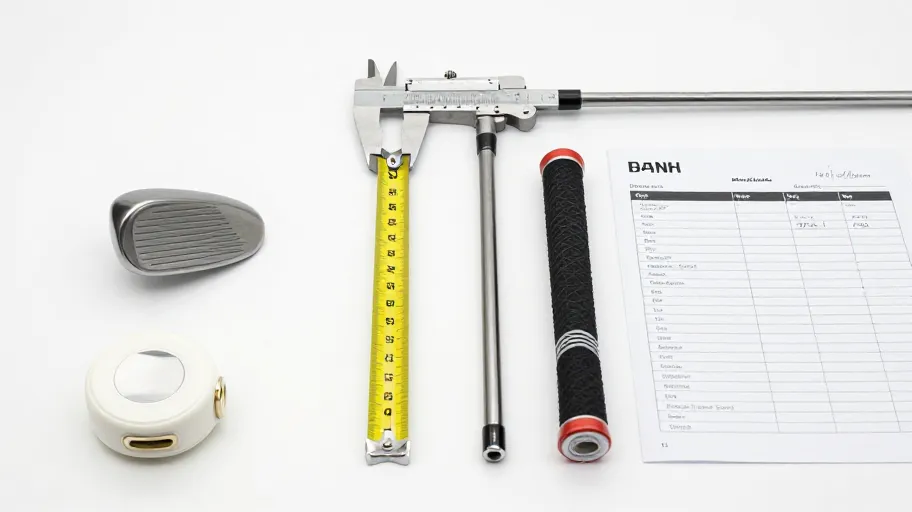
Start by testing your current swingweight. If the head feels light or your tempo jerks, try +30g. Use a phone app or laser for alignment feedback. Watch how the added inertia smooths initiation and reduces hand twitch through impact.
But don’t overdo it. A 2025 Golf Science Lab review found peak gains at +45g. Beyond that, players lost 18% in touch sensitivity. Make incremental adjustments, validate each one. Done right, this small change becomes the foundation of reliable putting—fewer missed shorties, more conversions from 6–10 feet.
Master Your Swing, DIY Your Fit. DIY Golf is the premier destination for the technical golfer. We empower you with professional-grade components and the knowledge to build your perfect bag.