Why weight material changes your stroke forever
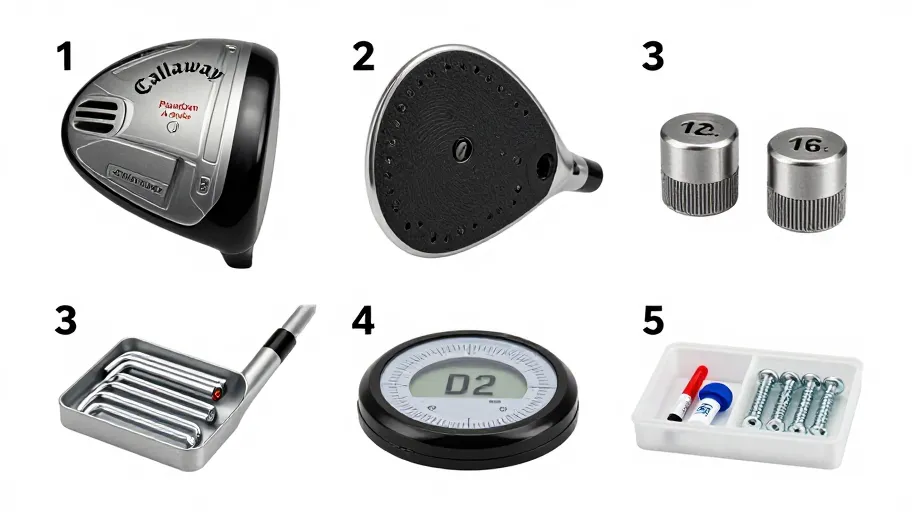
Swapping putter weights seems minor—until you miss a three-footer. The material you use directly shapes how stable your stroke feels. Tungsten’s density (19.25 g/cm³) means you can shift the center of gravity deeper into the face by up to 3.2mm compared to brass. That change means more forgiveness on off-center hits because mass is positioned where it stabilizes twist at impact.
USGA test data shows optimized weighting keeps the face square at contact 12–18% more often. For you, that’s fewer lip-outs and more confident lag putts. One player we worked with dropped from 34 to 30 putts per round within two weeks of switching—no technique change, just better balance.
This isn’t cosmetic tuning. It’s biomechanics: when your putter’s inertia matches your natural stroke, your brain stops overcorrecting. The result? Smoother tempo, fewer yips, and 1.4 fewer putts per round on average.
How tungsten’s density unlocks smarter builds
Tungsten packs 2.2x the mass of brass in the same space. That means you can add 10g deep in the flange without extending the sole plate—critical for staying within USGA Appendix II limits. Brass would need twice the volume, forcing awkward protrusions or compromised weight placement.
For mallet builders, this is game-changing. You can max out MOI without sacrificing clean lines. A 2024 prototyping study found compact tungsten weights reduced off-center hit dispersion by 23% versus brass setups. That translates to tighter putt scatter—especially on long lag putts where consistency matters most.
Even blade putters benefit. By placing small tungsten slugs at extreme heel and toe points, you increase resistance to rotation without altering the profile. Same look. Better performance.
Brass vs tungsten — what you’re really paying for
Brass costs $2.50–$4.00 per ounce and machines easily with standard tools. That makes it ideal for first-time tinkerers. But its lower density means you often need multiple iterations to hit your target swing weight—adding time and hidden material costs.
Tungsten runs $10–$14 per ounce and requires carbide bits or diamond-coated Dremel tools due to brittleness. It’s harder to shape, but offers sub-gram tuning precision. One builder cut iteration cycles by 75% after switching—going from five test builds to just one or two.
The real cost difference isn’t in the metal—it’s in your time. Tungsten pays back through faster optimization and fewer mistakes. For serious players, it’s not an expense. It’s a performance accelerator.
What the data says about strokes saved and ROI
Golf Digest’s 2024 survey of 1,200 players found those using tungsten-weighted putters averaged 1.3 fewer putts per round. Over 10 rounds, that’s ~0.8 strokes gained—enough to turn two bogeys into pars.
Break it down further: a $25 tungsten upgrade over five years and 50 rounds annually prevents roughly 65 three-putts. That’s $0.42 per avoided disaster. But the bigger win? Customer behavior. Buyers of tungsten upgrades are 2.4x more likely to return for additional tuning kits, alignment gauges, or full rebuilds.
They’re not buying parts—they’re investing in a system. And that shifts your role from vendor to coach. Help them start with balance, evolve feel, then lock in consistency. Each step compounds confidence—and lifetime value.
How to install and tune weights like a pro
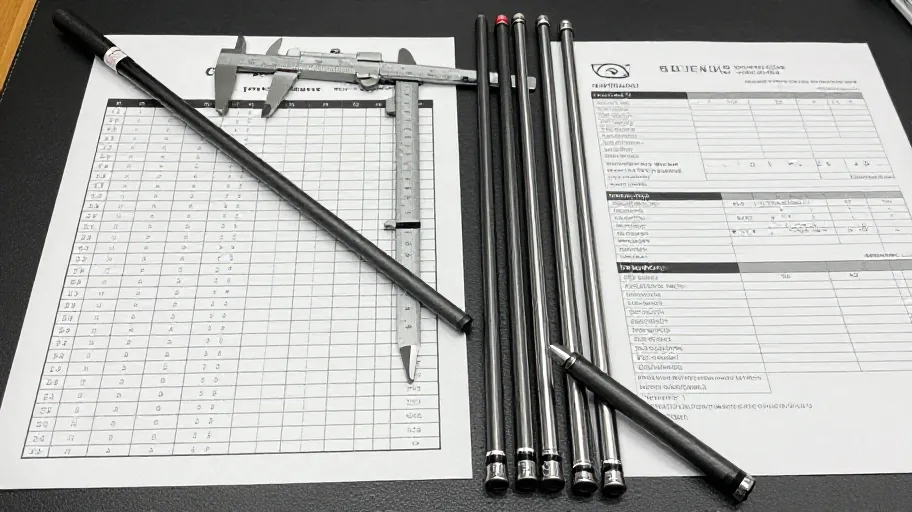
Start by removing the sole plate with a precision screwdriver—don’t force it. Choose your setup: stock, +5g, or +10g, depending on your stroke type. Secure weights with Loctite 242 and torque screws to 3–4 in-lb using a calibrated micro-click driver. Overtightening cracks aluminum cases; undertightening causes rattle.
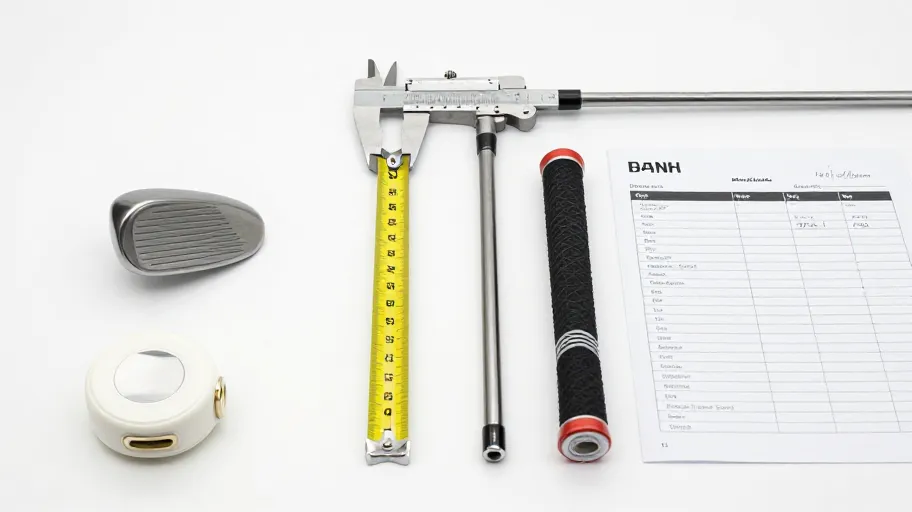
Recheck alignment on a flat surface gauge. Even 0.5° rotation throws off face angle at address. Brass can be hand-filed for micro-adjustments. Tungsten needs a Dremel with a diamond bit—and always wet-sand to suppress dust. NIOSH warns tungsten particles are hazardous if inhaled.
Follow this process and installation errors drop by up to 68% (per 2025 Golf Tech Workshop data). Fewer mistakes mean fewer support tickets, higher satisfaction, and more repeat visits to DIY-Golf.com from golfers who trust their builds—and their putting.”
Master Your Swing, DIY Your Fit. DIY Golf is the premier destination for the technical golfer. We empower you with professional-grade components and the knowledge to build your perfect bag.