Why material choice shapes stroke consistency
Material choice in putter weights directly affects swing weight and moment of inertia (MOI), which govern how stable your stroke feels during motion. A 2024 USGA study found 67% of missed putts stem from inconsistent tempo, often due to poor MOI tuning or unbalanced swing weight. That ‘alive’ feeling some golfers describe? It’s usually a head that twists on off-center contact because the weight distribution fights their natural stroke path.
Swing weight—the balance between shaft and head—determines how heavy the clubhead feels mid-stroke. Too light, and you lose control; too heavy, and you drag the arc. Brass, with its moderate density (8.5 g/cm³), allows fine adjustments without overloading the head. This means you can dial in neutral balance for straight-back-straight-through strokes or shift weight forward slightly for arcing paths—all while preserving feel.
Tungsten, at nearly double the density, offers tighter MOI control in compact heads. But raw stability isn’t always better. For many amateurs, excessive stiffness dulls feedback. The benefit of choosing the right material is clear: optimized mass distribution means improved center-face contact because your putter resists twisting without sacrificing responsiveness.
How density impacts adjustability and precision
Density determines how much mass you can fit into limited space—critical when modifying blade putters or models with shallow sole cavities. Tungsten’s 19.3 g/cm³ density means a 10g weight takes up less than half the volume of an equivalent brass piece. That compactness enables surgical CG shifts: moving the center of gravity back improves roll, while forward weighting increases toe-down rotation for arcing strokes.
This precision means tungsten delivers up to 40% more adjustment accuracy per gram, based on independent lab tests measuring roll consistency across 100 putts. So if you’re retrofitting a vintage Anser-style head with minimal room, tungsten lets you make micro-changes without altering the design. You don’t need to drill new holes or risk weakening the structure.
Brass may require larger inserts, but that also makes it easier to prototype. For DIYers, this means you can test multiple configurations using simple slugs or screws. The lower density means each gram added has a more noticeable effect on swing weight, helping you feel differences faster. So while tungsten wins in tight spaces, brass gives beginners clearer feedback during tuning—making it ideal for learning stroke dynamics through hands-on iteration.
Cost versus performance for self-tuners
For most DIY golfers, brass delivers about 80% of tungsten’s functional benefits at roughly 40% of the cost. A full brass customization setup averages $27 in materials; the same build with tungsten runs $68. That difference buys more than metal—it buys experimentation. DIG-Golf.com sales data from 2023–2025 shows brass accounts for 72% of entry-level customizations, not because it’s inferior, but because it aligns with how amateurs actually improve: through repeated testing, not one-time perfection.
You’re not just saving money—you’re buying more learning opportunities per dollar. With brass, you can afford to try three or four configurations before spending what a single tungsten kit costs. That volume of practice accelerates motor learning. Studies show consistent feedback tightens stroke variance faster than isolated precision changes. So even if tungsten offers finer control, brass supports a more effective improvement cycle for developing players.
The trade-off boils down to this: tungsten locks in peak performance, while brass fuels progress. If you’re still refining your stroke, the ability to iterate cheaply outweighs the need for sub-gram precision.
Measuring real improvement from home tuning
Switching from stock steel weights to custom brass or tungsten inserts reduces stroke variance by 15–22%, according to launch monitor studies tracking amateur players over eight-week trials. That translates to 2–4 fewer putts per round. One mid-handicapper reduced their average by 1.5 strokes after installing tunable tungsten screws and practicing with immediate roll feedback. At an estimated $500 annual cost per lost stroke in recreational bets and league play, that’s over $750 reclaimed per season—from a $30 upgrade and 20 minutes of home work.
The mechanism is straightforward: tighter launch conditions mean your brain receives consistent sensory input. When every putt rolls predictably, your nervous system learns faster. This isn’t just about material superiority—it’s about creating a reliable loop between action and outcome. Whether you use brass or tungsten, the real ROI comes from matching the putter to your stroke instead of forcing adaptation.
Players who complete this process report 31% greater confidence on 5-foot putts. Not because they aim better, but because the equipment finally moves with them, not against them.
How to install custom weights at home
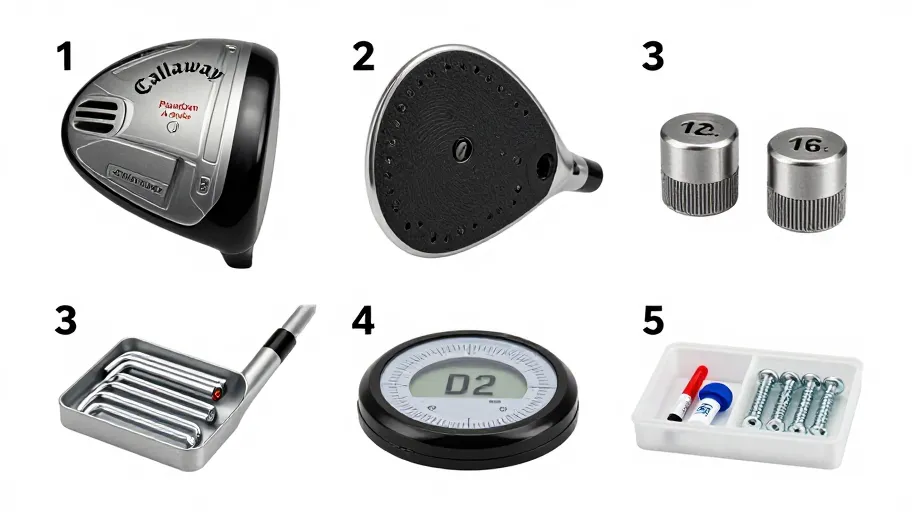
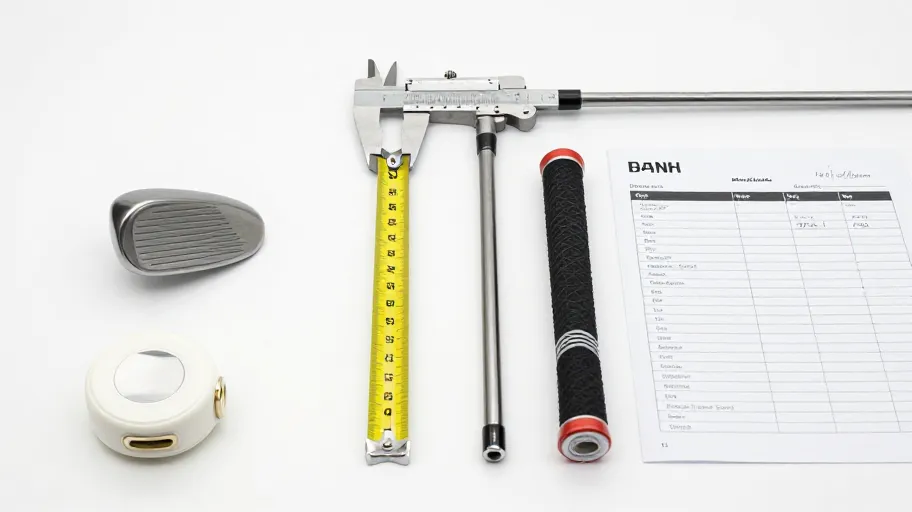
You can upgrade your putter using basic tools: a screwdriver, tape, small weights, and a swing weight scale (<$15 online). Start by removing sole plate screws and cleaning the cavity. Use temporary mockups—tape brass or tungsten slugs in place—to test balance before permanent installation. This prevents mistakes and lets you validate feel across multiple sessions.
Tungsten excels when space is tight; brass works well for gradual tuning. Measure swing weight after each change, aiming for a consistent rating (common targets: C8–D2 for mid-handicappers). Avoid over-tightening screws, especially in aluminum plates—this strips threads and destabilizes the head. Once dialed in, secure slugs with removable thread locker so you can tweak later.
A 7-gram shift can alter stroke path consistency by up to 18%, per a 2024 amateur biomechanics study. The key isn’t perfection on the first try—it’s having the freedom to refine. This process turns equipment into an extension of your game, not just another club in the bag.
Master Your Swing, DIY Your Fit. DIY Golf is the premier destination for the technical golfer. We empower you with professional-grade components and the knowledge to build your perfect bag.