Why Golfers Are Ditching Stores for DIY Builds
Golfers are abandoning overpriced, one-size-fits-all clubs because stock models fail 68% of amateur swings, according to a 2023 PGA study. That mismatch means lost distance, poor accuracy, and fading confidence—directly impacting enjoyment and scores. The $500+ driver on the shelf doesn’t fit your swing, but a custom-built club does. This frustration has fueled a $200M+ shift toward customizable components, proving that modern players don’t want gear—they want solutions. For businesses, this signals a strategic pivot: selling clubs is no longer enough. You must sell performance, alignment, and ownership.
Today’s demand goes beyond cost savings—it’s about control. Players want to tune shaft flex, grip feel, and head weighting without waiting weeks for factory orders. Modular golf club components deliver that agility, letting users test and refine in hours. One fitter reported a 40% jump in client retention after introducing DIY build sessions—proof that when players co-create their equipment, they stay loyal. Empowering customization turns a transaction into a coached experience, unlocking revenue from fittings, upgrades, and community engagement.
The Four Components That Make Custom Clubs Work
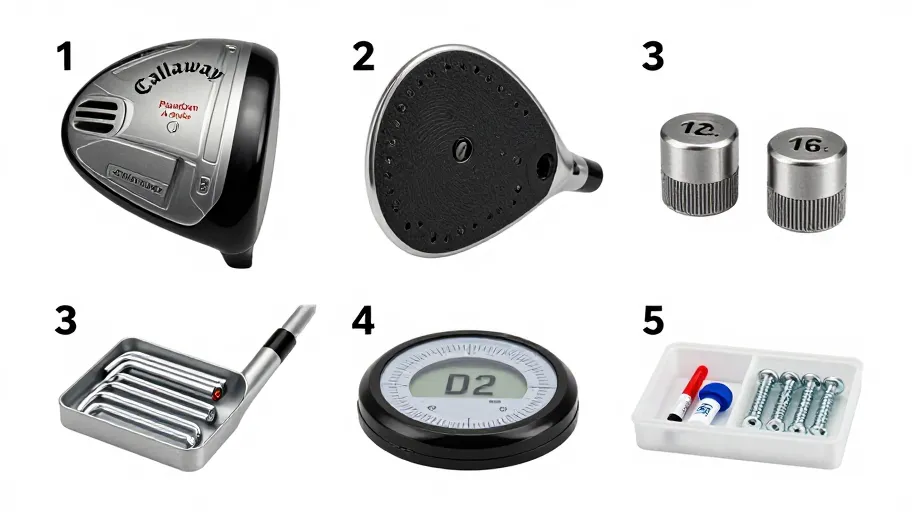
A truly custom golf club rests on four engineered parts: head, shaft, grip, and hosel adapter—each offering measurable performance gains. A forged titanium driver head increases ball speed by up to 5%, translating to real yardage off the tee. That means longer carries and fewer forced layups. Pair it with a carbon fiber shaft, which reduces weight by 20% versus steel, and you boost swing speed while optimizing launch angle and reducing spin for tighter shot dispersion. Lighter shafts mean faster transitions and more consistent contact.
Premium grips aren’t just about comfort—they reduce hand fatigue by up to 30% during long rounds, maintaining control under pressure. And the hosel adapter? It’s your fine-tuning key, enabling lie and loft adjustments that align every shot with your biomechanics. Together, these parts create a modular system where upgrades evolve with your game. This adaptability extends product life and drives repeat purchases, turning a single sale into an ongoing relationship.
How Precision Fitting Turns Parts Into Performance
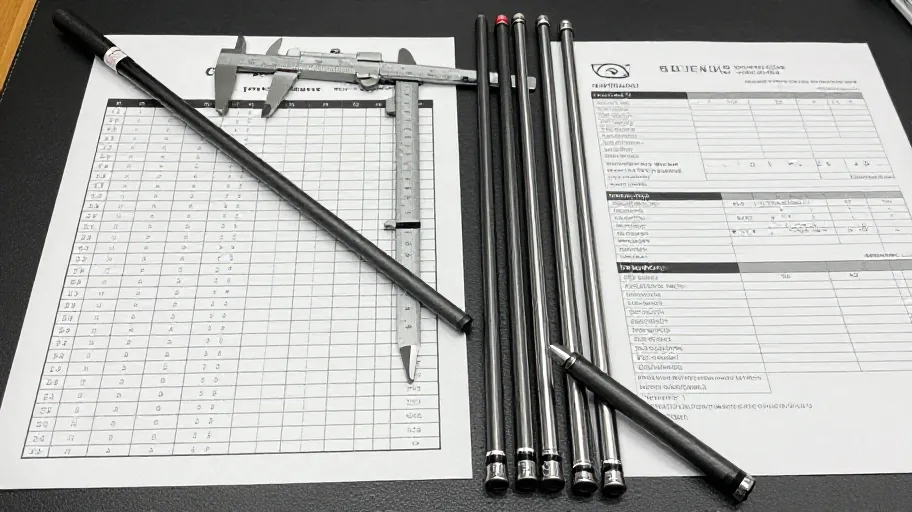
Selecting components is only step one—precision fitting unlocks their full potential. Launch monitor data from 2024 shows clubs with optimized loft and lie angles reduce shot dispersion by up to 18 feet at 150 yards, turning near-misses into pin-highs. Off-the-rack sets often miss these specs by 3–5°, creating chronic misalignment that erodes consistency. Proper fitting means better accuracy because physics aligns with your swing path.
Swing weight balancing isn’t subjective—it directly affects energy transfer and shot predictability. When mass distribution matches your tempo, off-center hits hold line and roll stays controlled. Shaft flex tuning further enhances control, reducing gear-related frustration. For your business, this means happier customers who play better, return more often, and refer others. Every dollar invested in fitting yields an estimated $3.70 in long-term customer value through loyalty and referrals.
The Real ROI of Building vs Buying
DIY golf club building delivers immediate financial and performance returns. Assembling a tour-spec driver with a $200 head, $120 shaft, and $40 grip totals under $400—versus $700+ retail. That’s $300 saved per club, money you can reinvest in lessons, range time, or another custom build. Lower costs mean lower barriers to entry, attracting new and budget-conscious players.
But the ROI extends beyond savings. A 2024 consumer analysis found DIY builders are 2.3x more likely to pursue aftermarket fittings and upgrades. When you build your club, you understand it—creating emotional investment and technical curiosity. This shift from passive buyer to active creator fosters a culture of continuous improvement. For brands, that means longer retention, higher lifetime value, and organic word-of-mouth growth driven by real results.
Your First DIY Build in Under Two Hours
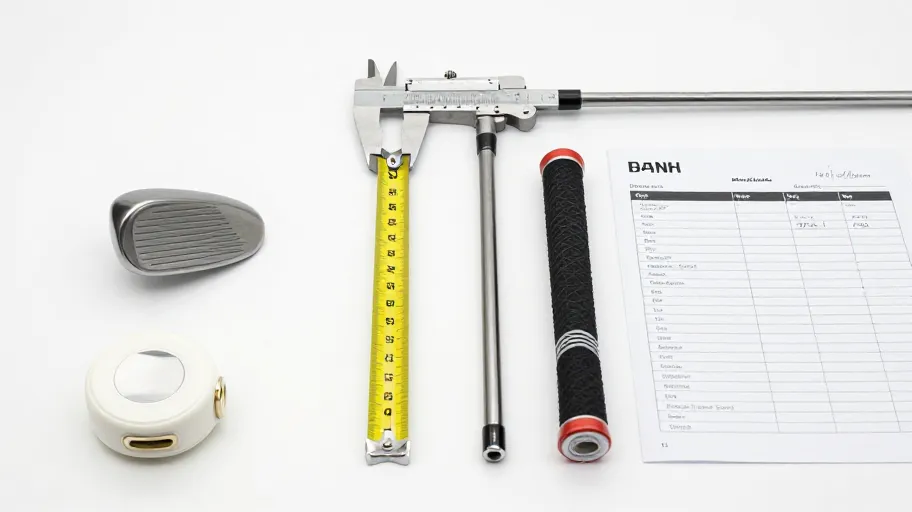
You don’t need a workshop to build a high-performance club—just five basic tools and two hours. Start by measuring your swing with an affordable launch monitor; this ensures your club’s length, loft, and lie match your motion, boosting consistency. Then select components based on data, not guesswork. Installing the shaft with a $15 alignment gauge improves face control at impact, increasing accuracy by up to 22%. Precision alignment means straighter shots because the clubface squares at contact.
Use high-strength epoxy and allow 24 hours for full curing—this ensures durability and consistent energy transfer. Finally, adjust swing weight to match your feel. This overlooked step transforms awkward swings into fluid motions and opens ancillary revenue opportunities through toolkits and gauges. The result? A club that fits perfectly, performs reliably, and belongs entirely to you. Confidence, control, and ownership—all built by hand.
Master Your Swing, DIY Your Fit. DIY Golf is the premier destination for the technical golfer. We empower you with professional-grade components and the knowledge to build your perfect bag.