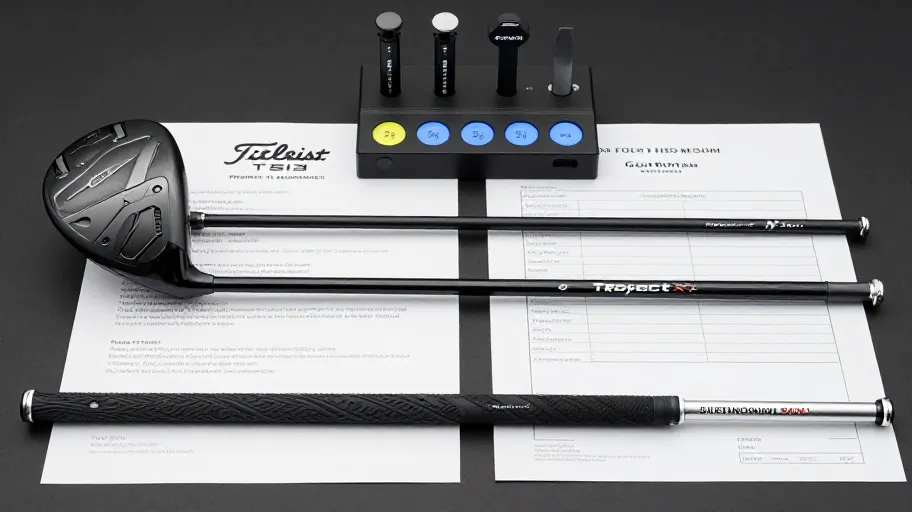
Before shortlisting suppliers for a Rory McIlroy swing weight build, compare six things in writing: the exact club model and family each component is specified for, how the supplier measures and reports swing weight, the weighting options available (shaft, grip, head weights, build length), the measurement tools and documentation provided, current sample, cost and shipping policies, and whether the supplier will confirm fitment for your specific build in writing. Use a named framework to keep every supplier on the same comparable basis. Confirm every detail directly; do not rely on assumptions from public listings.
The SW-COMPARE framework
Tour-inspired swing weight targets are a starting point for a build, not a specification you can buy off a shelf. Swing weight depends on the interaction of head weight, shaft weight and balance point, grip weight, build length and assembly choices. Two suppliers can quote the same target number and deliver builds that feel and measure differently. The SW-COMPARE framework keeps your comparison disciplined:
- S — Specification. Write down the exact club brand, family, model, loft, shaft designation and grip model in your build. Ask each supplier to confirm their components are specified for that exact configuration.
- W — Weighting options. Ask which adjustable or selectable weighting routes exist: head weight options, tip weights, lead tape, grip weight alternatives, and how build length affects the outcome. Document what each supplier offers rather than assuming parity.
- C — Compatibility. Require written confirmation that the proposed components fit your club model — hosel interface, shaft tip diameter, grip core and any adapter requirements. Fitment claims must come from the supplier against your exact model, not from generic listings.
- O — Options breadth. Compare how each supplier handles variations: alternate shafts, grip substitutions, length changes and interim weight adjustments during a build. Breadth affects how easily you can tune later.
- M — Measurement. Ask what equipment the supplier uses to measure swing weight, how they record it, and what documentation you receive with the finished build. Request the measurement protocol in writing.
- P — Policy. Confirm current sample policy, any fees, shipping arrangements, lead expectations and revision options directly with each supplier. Policies differ and change; verify at the time of enquiry and record the answer in writing.
- A — Approval and records. Keep a written thread per supplier: quoted specification, measurement report, fitment confirmation and policy statements. Approve orders only against this file.
The framework's purpose is not to rank suppliers by reputation but to make every candidate answer the same questions, so your shortlist rests on documented evidence.
Supplier comparison decision table
Score each candidate supplier on the same dimensions before shortlisting:
| Comparison dimension | What to request | What evidence to require | Red flag |
|---|---|---|---|
| Exact-model fitment | Written confirmation for your club brand, family and model | Part-level specification matching your build sheet | Vague "fits most models" phrasing |
| Swing weight measurement | Description of measurement method and reporting | Documented measurement output for your build | Target number quoted with no measurement basis |
| Weighting options | Full list of head, shaft, tip and grip weighting routes | Options list applicable to your configuration | Single fixed build with no adjustment route |
| Component traceability | Source and specification of each component | Component spec sheets tied to your order | Unlabelled or substituted components |
| Sample and revision policy | Current sample, fee, shipping and revision terms in writing | Direct written policy statement | Verbal assurances only |
| Documentation on delivery | Build sheet, measurement report, component list | Copies before dispatch | No paperwork offered |
| Communication quality | Response to your approval questions | Clear, specific, written answers | Evasion of measurement or fitment questions |
Fill one row per supplier. Shortlist only candidates who can complete every row with written evidence.
Approval questions to send every supplier
Copy these into your enquiry so answers arrive in a comparable format:
- Which components in your proposal are specified for exactly this club model, family and build configuration, and can you confirm that in writing?
- How do you measure swing weight, on what equipment, and what measurement documentation will I receive with the finished build?
- Which weighting options — head weights, tip weights, grip alternatives, length changes — are available for this build, and how do they change the achievable range?
- What is your current sample policy, and what fees, shipping arrangements and revision terms apply? Please state the current policy in writing.
- If the finished build does not measure to the agreed target, what is your correction process and who confirms the final measurement?
- What records — build sheet, component list, measurement report — accompany delivery?
Treat any question a supplier declines to answer in writing as information for your shortlist decision, not as a disqualification on its own. The goal is comparability: the same questions, documented answers, no assumptions.
Documenting your build evidence
Keep a single file per sourcing project containing: your target specification and why you chose it; each supplier's written responses; the SW-COMPARE decision table row; and your approval decision with date. This file protects you at delivery, when you verify that the received build matches the documented specification, and it makes repeat or follow-up orders far easier to brief. Where a tour-inspired target motivates your build, note that the target itself is your planning input — verify achievable outcomes with the supplier against your actual components and configuration rather than treating any published figure as a guaranteed result.
FAQs
Is a tour player's swing weight a specification I can order directly? No. It is a build outcome produced by combining head, shaft, grip, weighting and length choices. Use it as a target, then confirm with each supplier which component combination can reach and measure that target for your club model.
Why do two suppliers quote the same swing weight differently in practice? Measurement equipment, assembly choices and component variation can all move the result. That is why the SW-COMPARE framework requires you to document each supplier's measurement method and reporting before shortlisting.
What should I never assume when comparing suppliers? Never assume fitment, stock, pricing, shipping, sample terms or revision policy from a general listing. Each is project-specific; confirm the current policy and specification directly and in writing.
How many suppliers should I shortlist? Enough to compare documented answers across at least the dimensions in the decision table — the quality of written responses matters more than the count. Shortlist only those who complete every row with evidence.
Do I need launch-monitor data before ordering? Performance verification is a separate step from component sourcing. Document the specification and measurement plan first; if you want launch-monitor validation, agree with the supplier in advance on who measures, on what equipment, and what the results report will contain.
Next step
Download the checklist and run every candidate supplier through the same SW-COMPARE gate before you commit. 下载核对清单 — then send the approval questions, record the answers, and shortlist on evidence, not impressions. If you want a lighter start, use the quick-fit checklist below for your first round of enquiries.
Low-friction starter checklist:
- Club brand, family, model and build configuration written down
- Target swing weight recorded as a planning input
- Fitment confirmation requested in writing
- Measurement method and documentation requested
- Current sample, fee, shipping and revision policy requested
- One decision-table row started per supplier
Master Your Swing, DIY Your Fit. DIY Golf is the premier destination for the technical golfer. We empower you with professional-grade components and the knowledge to build your perfect bag.


