Why compatibility kills more DIY builds than bad swings
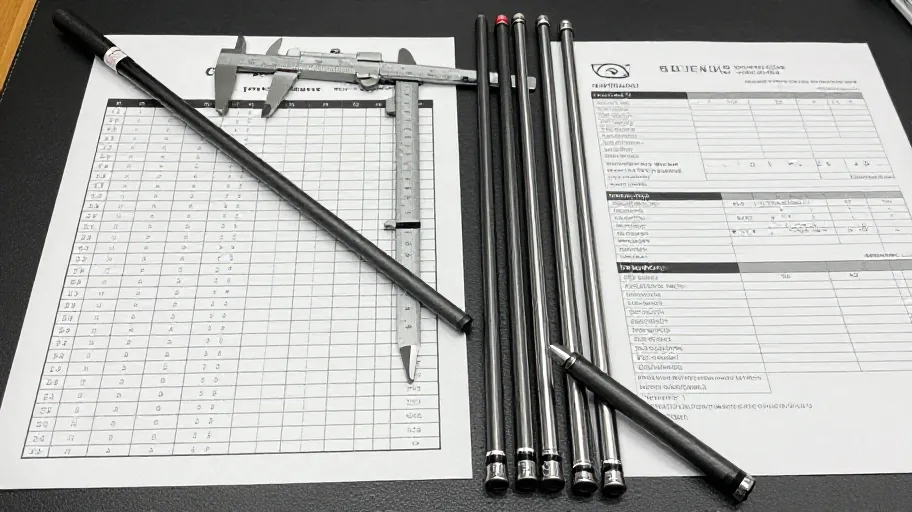
Many DIY golfers never hit a single ball with their custom club—because mismatched components make assembly impossible. A premium shaft with the wrong tip diameter becomes a paperweight when it doesn’t fit the clubhead’s hosel bore. Golf Tech Review’s 2023 analysis found 42% of returned components were due to fitment errors, most from unverified interface specs.
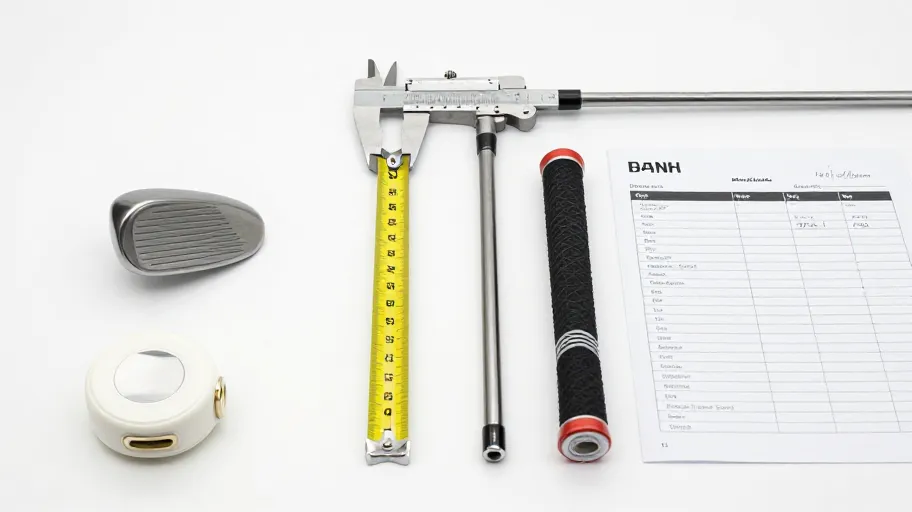
Specification fragmentation is the real culprit. One brand’s ‘standard’ hosel measures 8.1mm; another’s is 8.5mm—just enough to prevent secure bonding or balanced swing dynamics. That tiny gap means instability on impact, inconsistent ball flight, or even delamination over time.
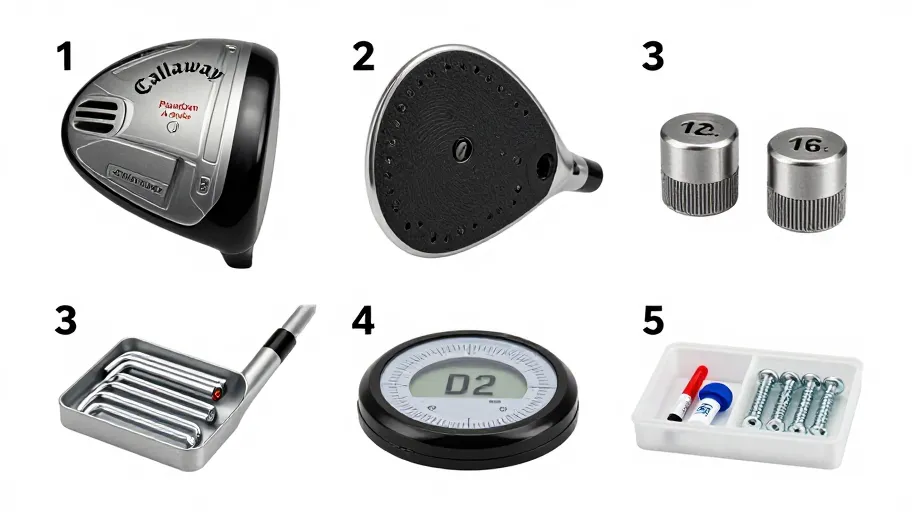
Complete golf club kits eliminate this risk by design. Every component is pre-matched to share compatible interface standards, so you’re not guessing tolerances. That means faster builds, zero returns, and clubs that perform from day one—no garage full of orphaned parts.
How complete kits deliver plug-and-play performance
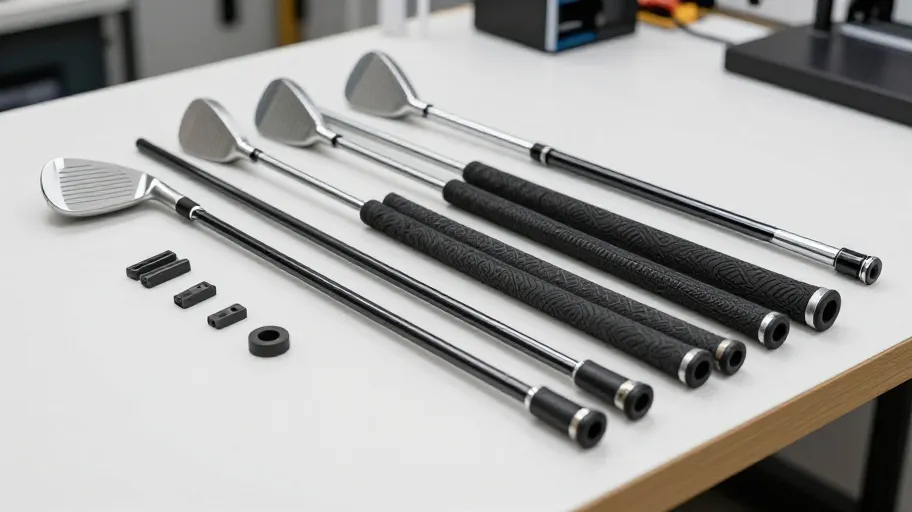
A complete golf club kit isn’t just convenient—it’s engineered for consistency. Where mixing individual parts risks mismatched flex, torque, and swing weight, kits use factory-tested pairings that work together from the start. That means first-time builders can assemble a driver in under two hours and hit solid drives immediately, not after weeks of trial and error.
The key is the factory-specified swing weight curve. This ensures the club loads and releases energy predictably through your swing arc. Matched-component builds reduce tuning time by up to 70%, according to workflow studies. For weekend golfers or seasonal builders, that efficiency means more rounds played and faster skill development.
You’re not giving up control—you’re gaining reliable performance by default. And for most players, that’s exactly what accelerates improvement.
The hidden costs of going fully custom
Individual components may look cheaper at checkout, but the real price comes in failed builds, return shipping, and lost time. One builder spent $120 testing grip compounds and adhesives, plus $54 in return fees across three shipments. His project stalled for 22 days—the average delay for error-driven rework in custom builds.
We use total build ownership cost to measure the full impact: purchase price, labor, failure rate, and completion time. At just $25/hour, a single failed assembly burns $200 in unpaid effort. Complete kits slash error rates to under 7% and cut build time by up to 70%.
Budget efficiency isn’t about the lowest sticker price—it’s about maximizing your odds of finishing strong. Kits remove guesswork so you invest in play, not troubleshooting.
When customization actually moves the needle
Customization only pays off when your swing demands what kits can’t provide—like a 115 mph clubhead speed needing a tip-stiff shaft unavailable in standard sets. For most golfers, complete kits deliver solid results. But for players with extreme metrics, granular control isn’t luxury—it’s necessity.
Take the pro-am whose high spin killed distance. By selecting a stiffer-tipped shaft and fine-tuning head weight, he optimized launch conditions in ways modular kits don’t allow. The game-changer? The launch monitor feedback loop. Every change was validated with data.
One study showed this approach lowered spin by 8–12%, adding 15+ yards of carry. More choice doesn’t mean better results—precision-aligned choices do. And that precision turns tweaks into measurable ROI: tighter dispersion, higher consistency, and clubs that evolve with your swing.
Choosing your build path based on skill and goals
Your skill level determines whether you gain or waste thousands in potential ROI. MyGolfSpy’s 2024 data shows 89% of sub-10 handicappers only improved when builds were guided by swing data—not hunches. As players advance, tolerance for component variance shrinks fast.
Beginners and mid-handicappers benefit from complete kits because consistency beats micro-adjustments. These kits deliver proven pairings that reduce setup error and accelerate muscle memory. But elite amateurs chasing marginal gains need individual parts: shafts with ±1g weight tolerance, lie angles tuned to half a degree, face balances matched to swing dynamics.
The turning point? When your swing metrics stabilize. That’s when custom builds unlock progression instead of complicating it. Assess your data, define your goal, then choose the path where every dollar fuels measurable improvement.
Master Your Swing, DIY Your Fit. DIY Golf is the premier destination for the technical golfer. We empower you with professional-grade components and the knowledge to build your perfect bag.