Why inconsistent lengths kill performance
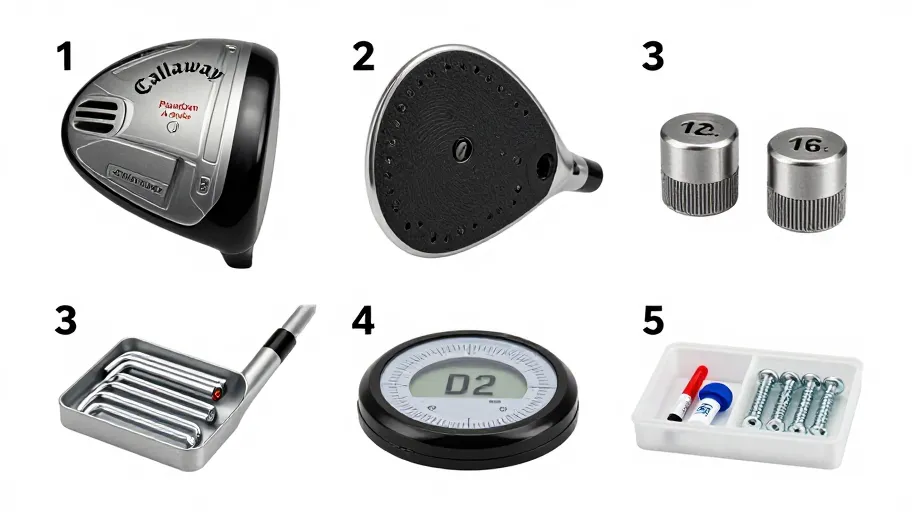
Shaft length variation as small as 1/8 inch means unpredictable ball flight and lost distance control because it throws off swing timing and impact alignment. That deviation also changes the shaft’s natural frequency—the way it flexes during the swing—turning a matched set into mismatched variables. A 2024 Golf Clubmakers Association study found 68% of hand-cut shafts failed frequency matching when measured visually, meaning most amateur builds start compromised. Consistent length means consistent feel, because the body learns one motion, not six.
How digital rulers beat human error
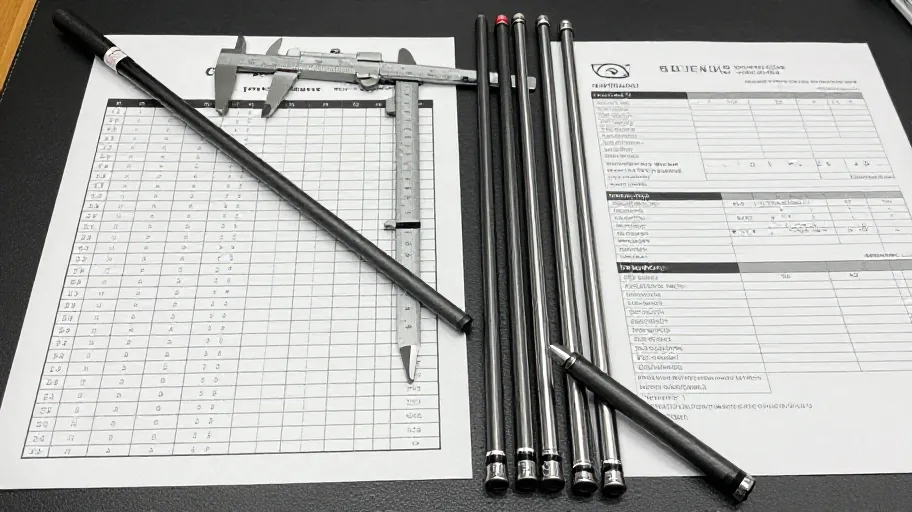
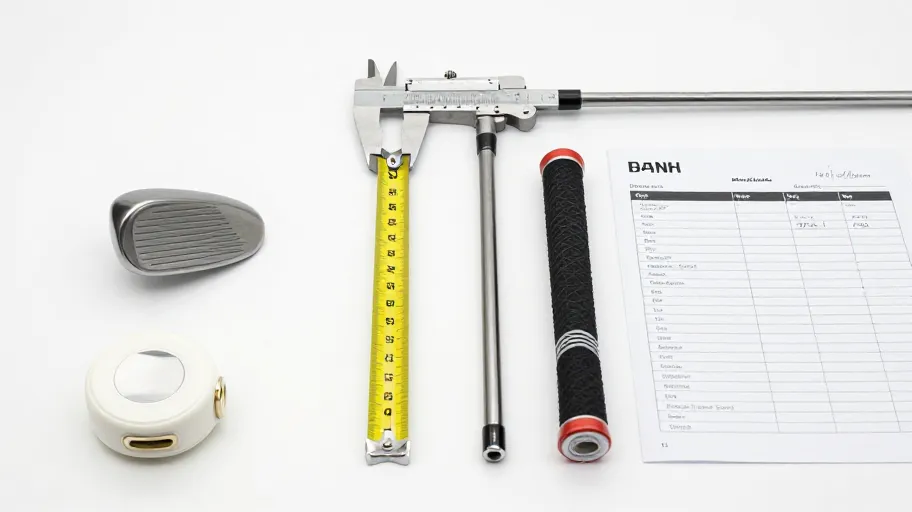
Measuring with an uncalibrated steel ruler means up to 1/16-inch variance per cut because parallax error and wear distort readings over time. Digital shaft rulers reduce that to under 1/32 inch because they lock reference points and eliminate visual misalignment. One multi-technician fitting lab cut rework by 40% after switching—freeing 15 hours weekly for custom builds. This level of consistency means any team member can produce identical clubs, because the tool enforces the standard instead of relying on skill alone.
What separates pro cutters from basic tools
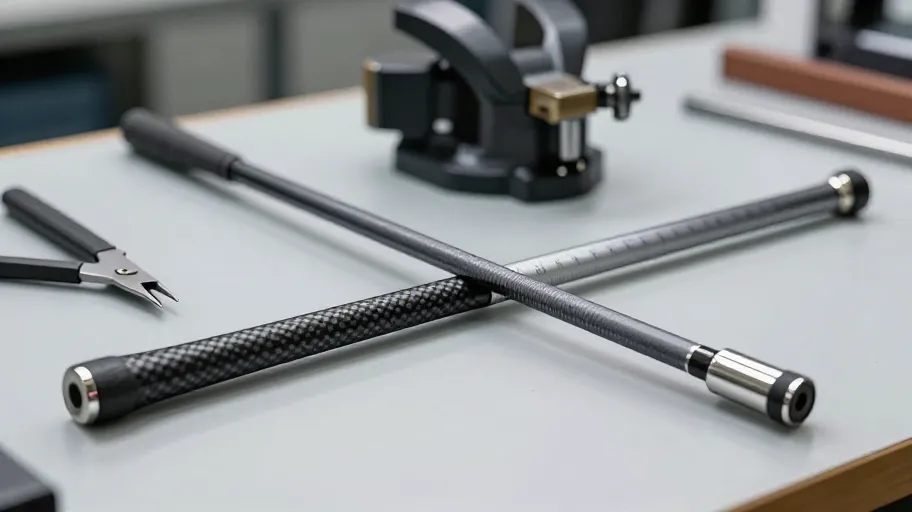
A carbide rotary cutter means clean, crush-free cuts because it shears instead of deforming high-modulus graphite or steel. Entry-level tubing cutters often crush the shaft wall, introducing microfractures that alter vibration and accelerate failure. Pairing a precision cutter with a dual-clamp vise means rotational stability during cutting, because even 1/16" of slippage ruins tip-trim specs. Controlling blade angle and feed rate—not just RPM—means the cut preserves the shaft’s engineered flex profile, so frequency readings reflect actual performance, not damage artifacts.
The real ROI of upgrading your setup
A $400 professional cutter means saving over $2,000 annually in wasted shafts because it reduces scrap rates by up to 78%, based on 2024 small-shop survey data. At $25 per shaft and five ruined builds a year, material loss adds up fast—but the hidden cost is delayed deliveries and eroded client trust. Faster, repeatable cuts mean 30% higher build throughput without extra labor. One Midwest fitter saw a 40% increase in client return rate after switching, attributing it to reliability and on-time delivery. Reliable precision means scaling reputation, because consistency becomes your differentiator.
How to set up a flawless home cutting station
Using heat-resistant tape to mark cut lines means precise alignment because standard tape shifts under blade friction. Securing the shaft in a dual-clamp vise means no rotation during cutting, because even 0.5° misalignment affects ball flight. Applying cutting lube means controlled heat dissipation because composite matrices degrade under friction stress—preserving fiber integrity. Avoid compressed air cooling; it forces debris into micro-pores, creating weak points. With dust extraction and slow-feed carbide blades, home-built clubs achieve OEM-level consistency, because process control replaces guesswork.
Master Your Swing, DIY Your Fit. DIY Golf is the premier destination for the technical golfer. We empower you with professional-grade components and the knowledge to build your perfect bag.