Why wrong shaft length ruins your game before you swing
A 3/8-inch too long or short doesn’t just feel off—it rewires your swing mechanics. That small shaft length variance tilts the lie angle, shifts weight distribution, and destabilizes launch conditions. You compensate without knowing it, reinforcing bad habits. The result? Inconsistent contact, erratic ball flight, and lost confidence.
73% of off-the-rack clubs don’t match a player’s biomechanics (PGA data), meaning most golfers start behind the curve. But correcting it isn’t luxury—it’s physics. Proper length means better energy transfer, cleaner strikes, and repeatable swings because the club works with your body, not against it.
How bad cuts destroy expensive shafts in seconds
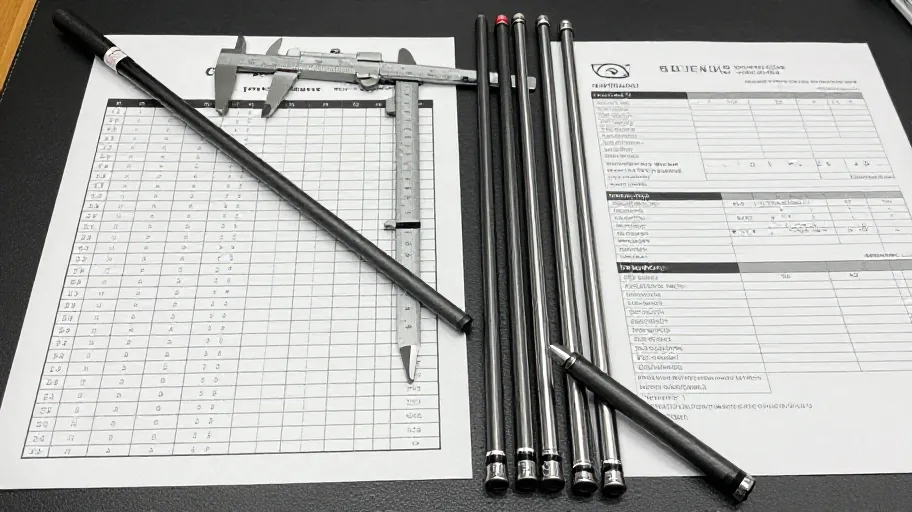
One slip with a hacksaw can turn a $200 graphite shaft into scrap. Crushing the tip, ovalizing the end, or leaving frayed edges compromises shaft end integrity—the foundation for a secure head bond. Without a clean, round surface, epoxy won’t adhere evenly, increasing risk of head separation. Forum reviews of over 1,200 DIY attempts show 40% fail this basic test.
This isn’t just cosmetic: poor tip prep reduces bonding area by up to 30%, weakening structural integrity. Repair costs average $75—if the shaft can be saved at all. A dedicated cutter prevents this every time. That means one avoided mistake pays for half the tool. Two saves it completely.
The toolkit that brings pro-shop precision to your garage
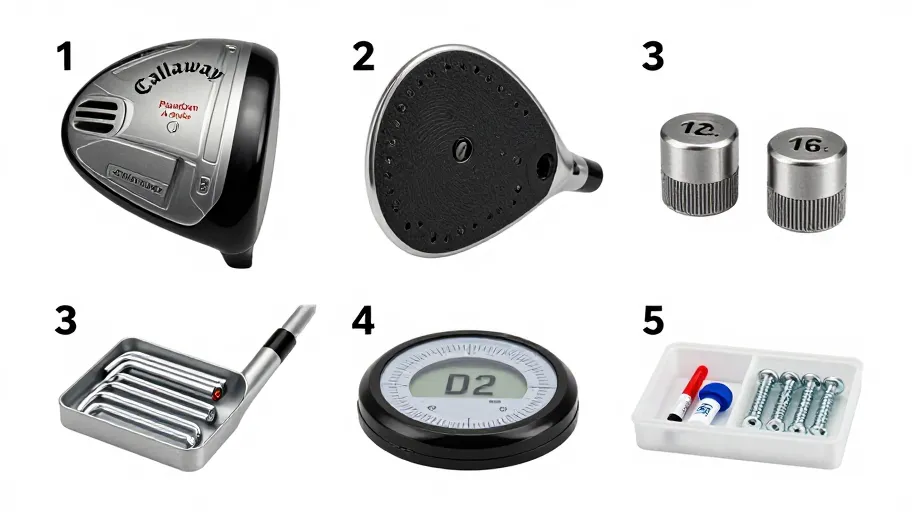
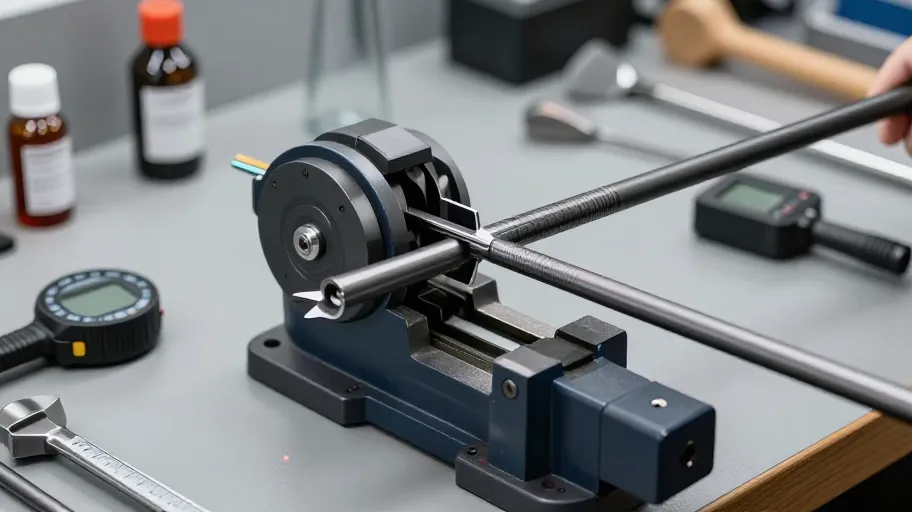
You don’t need a machine shop. You need three tools that work together: a precision tube cutter, a digital length gauge, and a vise with protective jaws. The rotary blade scores evenly around the shaft, eliminating crushing or ovalization. That means consistent flex performance post-cut—because the material isn’t stressed unevenly.
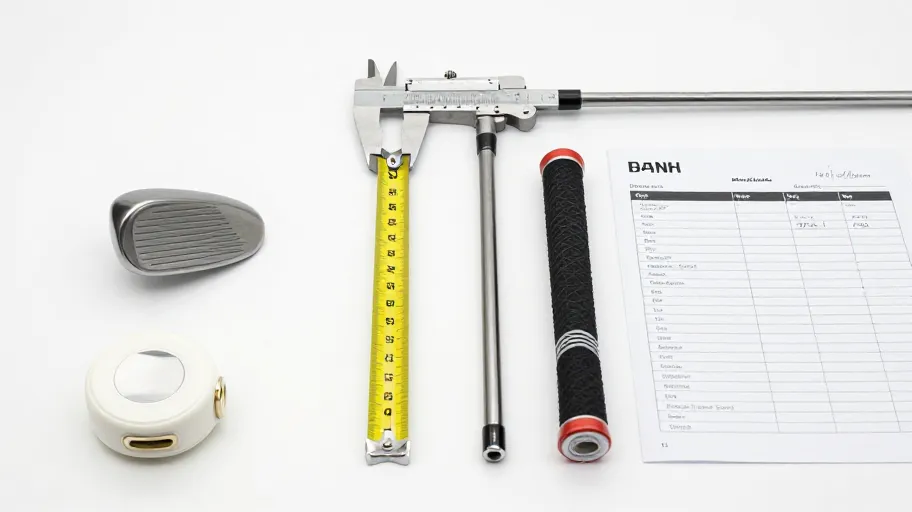
The digital gauge delivers ±0.01" accuracy using laser alignment, ten times better than tape measures. That means no more guessing where to mark. Combined, they enforce repeatability: your fifth build matches your first. OEM workshops have used this combo since 2023 (per Golf Equipment Manufacturing Review), and now it’s accessible at home. This synergy means tighter tolerances, fewer reworks, and confidence in every cut.
What you save by building clubs yourself
Professional fitting runs $25–$50 per club. Build five irons at home, and you pocket $125–$250 in labor alone. A full $200 toolkit from DIY-Golf.com pays for itself in one season—or less if you tweak builds often. After that, every new set is pure savings.
But ROI isn’t just cash. It’s cost-per-build reduction: divide tool cost by number of builds. At five clubs, it’s $40 per build. At ten, it’s $20. At twenty, under $10. That autonomy lets you experiment freely—stiffer shafts Tuesday, shorter Wednesday—without billing anxiety. And custom-fit sets sell for 20–30% more online (2025 Golf Retailer Benchmark), so even resale wins.
- Faster iteration: Test changes in hours, not weeks on shop waitlists.
- Personalized tuning: Dial in fits pros wouldn’t charge for.
- Resale premium: Buyers pay more for verified, precise builds.
Step-by-step: How to measure and cut golf shafts like a pro
Start with stability: clamp the shaft in a lined vise to prevent spin or crush marks. Then, follow the manufacturer’s trim chart exactly—no estimates. Even 1/8-inch off alters frequency response by up to 12%, disrupting swing feel (2024 Golf Equipment Integrity Report). That means your stiff shaft plays soft, or vice versa.
Measure from the tip using the digital length gauge, mark with a scribe, then cut with a carbide wheel on a rotary tool—never freehand. Deburr immediately to ensure smooth epoxy adhesion. Recheck final length. Each step protects performance intent.
When done right, this process unlocks full customization. Grip profiling, swing weighting, and loft adjustments become enhancements—not fixes. That’s how home builders outperform store-bought: by cutting clubs, not corners.
Master Your Swing, DIY Your Fit. DIY Golf is the premier destination for the technical golfer. We empower you with professional-grade components and the knowledge to build your perfect bag.