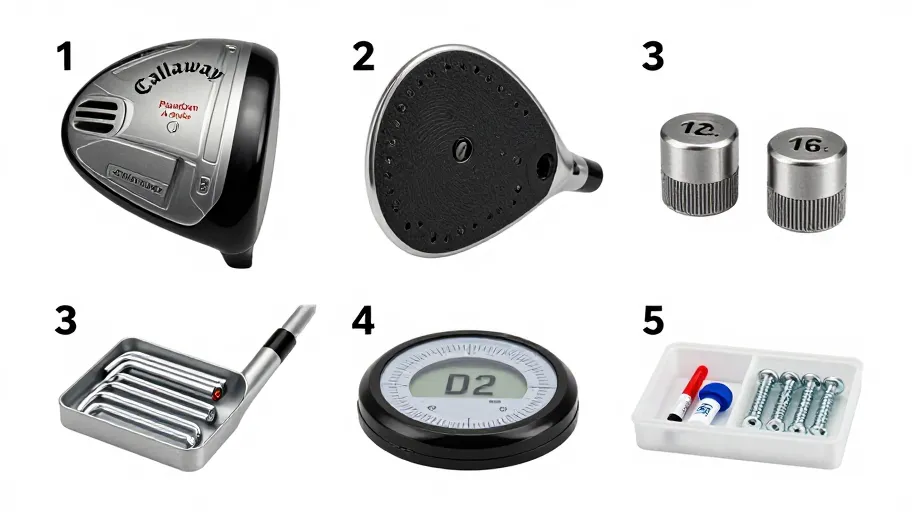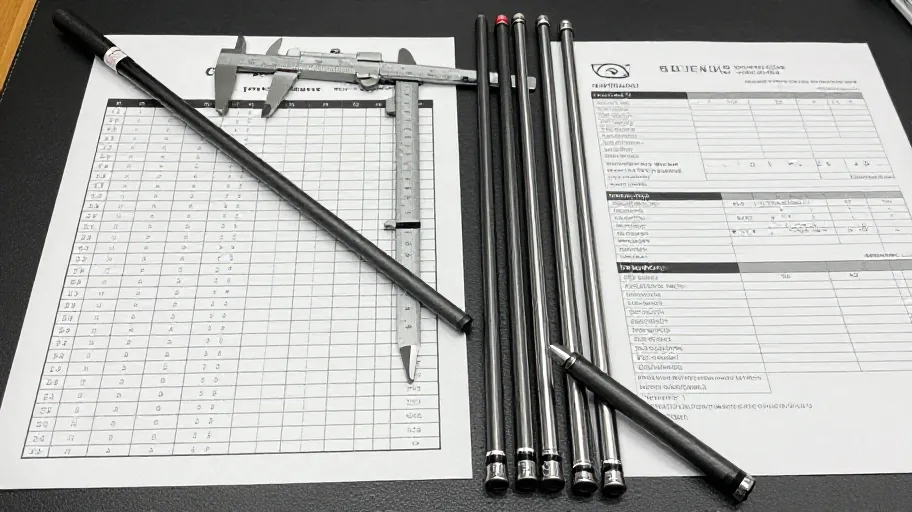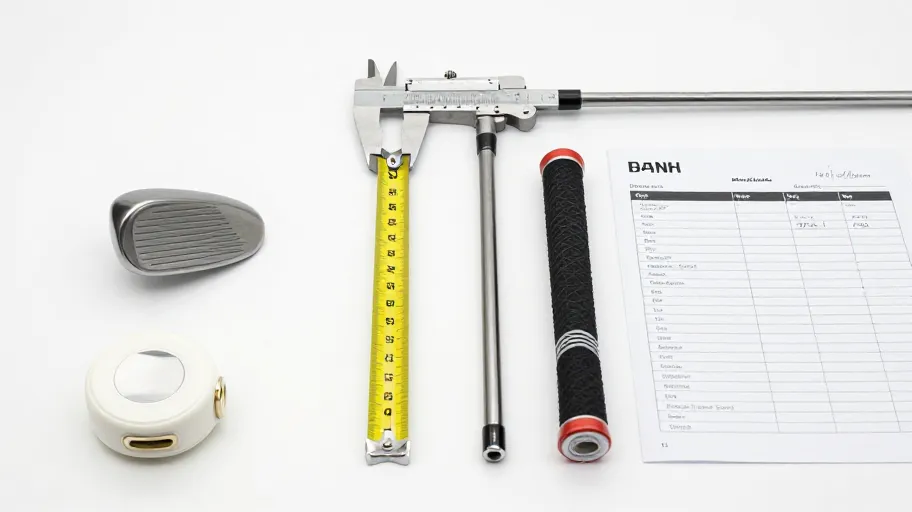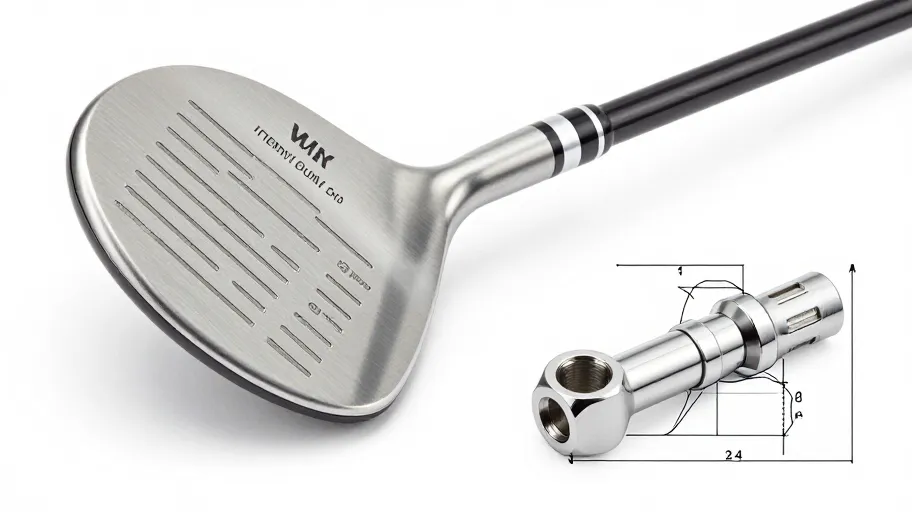
Before you commit to any component purchase for a diy golf build, you must document the exact club family, model, shaft tip diameter, hosel bore depth, and adaptor interface geometry to confirm fitment. Gathering these specifications into a structured document prevents sourcing errors and ensures you can verify compatibility with your supplier.
Engaging in a diy golf project requires meticulous preparation. When researching replacement or tuning components for a specific club brand, family, and model, the absence of documented specifications creates risk. You must transition from general research to a documented procurement file. The Component Commitment Checklist (CCC) framework organizes this preparation. The framework requires you to map the physical dimensions, confirm the adaptor interface, document the component weight, and verify the supplier’s current policies before you approve a purchase.
Decision table: mapping your club family requirements
When preparing your sourcing file, use this matrix to document the exact variables of your project. You must complete every column before submitting an inquiry to a supplier.
| Specification category | Variable to document | Question to answer before sourcing |
|---|---|---|
| Club model identity | Brand, family, generation | What is the exact model name and generation of the target club head? |
| Shaft interface | Tip diameter, tip parallel length | What is the exact shaft tip diameter required by the club head? |
| Hosel geometry | Bore depth, bore type | Is the hosel a blind bore or through-bore, and what is the depth? |
| Adaptor integration | Adaptor model, sleeve geometry | Does the club head require a proprietary adaptor sleeve, and what is the exact part identifier? |
| Component weight | Shaft weight, head weight | What is the target weight for the shaft and club head to achieve the desired swing weight? |
| Material specification | Head material, shaft material | What materials does the manufacturer list for the club head and shaft? |
Approval questions for shafts and hosels
To execute the diy golf build successfully, you must answer the following questions with current first-party evidence. Do not assume compatibility across different generations of the same club family.
- What is the exact tip diameter of the replacement shaft? You must measure and document the tip diameter to ensure it matches the hosel bore of the target club head.
- What is the hosel bore depth? You must confirm the bore depth to calculate the insertion depth and verify it accommodates the shaft length.
- Does the club head use a proprietary adaptor? If the club family utilizes an adjustable sleeve, you must document the exact adaptor part identifier and verify the replacement shaft is compatible with that sleeve.
- What is the weight of the replacement shaft? You must document the shaft weight to calculate the final swing weight and verify it aligns with the club head weight.
- What is the material composition of the replacement component? You must confirm the material matches your performance goals and bonding requirements.
Sourcing and supplier verification questions
Once you document the physical specifications, you must verify the supplier’s current operational policies. No product-specific sample, cost, shipping, or production policy was supplied during this research phase. You must confirm the following directly with the supplier.
- What are the current lead times? You must ask the supplier to confirm the exact production and transit durations for your specific order. Do not rely on historical data or general assumptions.
- What is the current minimum order quantity (MOQ)? You must verify the required MOQ for the exact component model you are sourcing.
- What is the current pricing structure? You must confirm the current price for the exact component and verify any volume-based adjustments.
Frequently asked questions
What is the most critical measurement to document before sourcing a replacement shaft? You must document the exact tip diameter and the hosel bore depth. These two measurements dictate the physical fitment of the shaft into the club head. Without current first-party evidence confirming these dimensions for your exact model, you risk sourcing an incompatible component.
How do I confirm adaptor compatibility for an adjustable club head? You must identify the exact proprietary adaptor part identifier for your club family and generation. You then verify with the supplier that the replacement shaft is designed to interface with that specific adaptor. Do not assume adaptor compatibility across different club generations.
What should I ask a supplier regarding component availability? You must ask the supplier to confirm current stock levels for the exact component, brand, family, and model you require. Inventory changes, so you must verify availability immediately before you commit to a purchase.
Can I assume the material specifications remain the same across different generations of the same club family? No. You must confirm the material composition for the exact model and generation you are sourcing. Manufacturers alter materials across generations, so you must verify the current material specification with first-party evidence before you approve the purchase.
How do I verify the swing weight of my finished build? You must document the exact weight of the replacement shaft, the club head, the grip, and the adaptor. You use these weights to calculate the final swing weight. You must verify all component weights with the supplier before finalizing your sourcing decisions.
Before you commit to your next diy golf component purchase, download our comprehensive sourcing checklist to document every variable and verify supplier policies.
To help you organize your research, download our low-friction pre-purchase preparation guide to structure your questions before you contact a supplier.
Download Pre-Purchase Checklist
Master Your Swing, DIY Your Fit. DIY Golf is the premier destination for the technical golfer. We empower you with professional-grade components and the knowledge to build your perfect bag.