Why factory clubs don’t fit your swing
Factory clubs are built for an average player that doesn’t exist. That means your irons likely have mismatched swing weights, throwing off your tempo before you even start the backswing. The result? Inconsistent strikes and unpredictable ball flight. Over 70% of off-the-rack irons fail to match individual biomechanics, according to PGA research—so you’re not fighting your technique, you’re fighting physics.
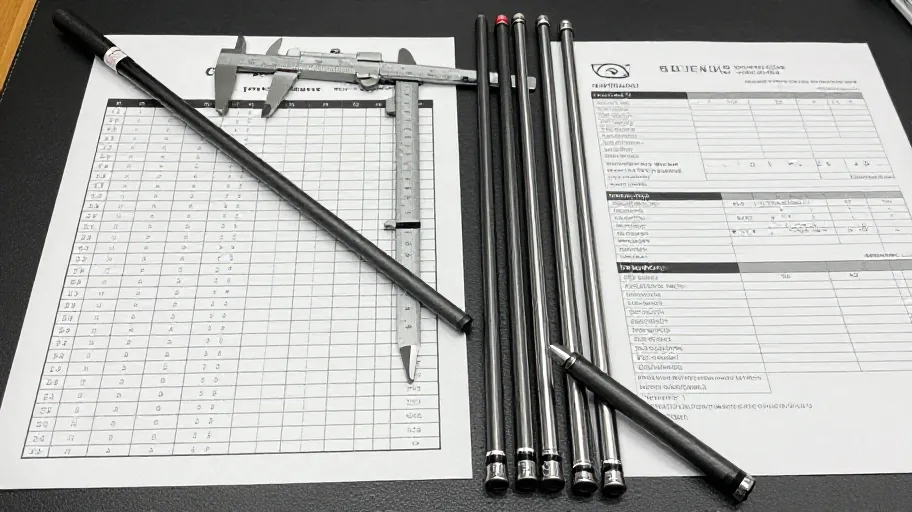
Swing weight scale readings measure how mass is distributed between head and grip. When this balance feels off, your brain compensates mid-swing, disrupting sequencing. Clubhead MOI (Moment of Inertia) matters too—it determines forgiveness on mishits. But when swing weight and MOI don’t align with your release point or swing speed, you lose both power and precision. The fix isn’t new clubs—it’s tuning what you already own.
Adjusting swing weight means you can match each club to your body’s timing, because consistent feel leads to repeatable motion. No more guessing why one iron works and another doesn’t.
How adding weight changes your swing mechanics
Adding DIY golf weights doesn’t just change how a club feels—it reshapes your entire swing path. Tungsten tape or lead strips let you shift balance without altering length or flex. For example, placing 12 grams of tungsten tape near the grip end reduces sway by promoting earlier wrist set and smoother rotation. That’s because rearward mass increases moment of inertia near your hands, stabilizing transition and improving energy transfer.
The USGA allows these modifications under Rule 4.1a as long as the club remains structurally intact. Unlike loft or lie adjustments, mass distribution directly impacts timing and sequencing—more than any spec sheet reveals. A 2024 Golf Science Review found optimized swing weight reduced off-center hits by up to 27%, which means better ball speed retention and tighter dispersion.
That kind of improvement means fewer misreads on approach shots and more greens in regulation—because you’re syncing with your swing instead of fighting it.
Real performance gains from tuning swing weight
Precise swing weight adjustment improves kinematic repeatability by up to 25%, based on TrackMan’s 2024 amateur dataset. For real-world players, that translates into tighter shot patterns and cleaner contact. One mid-handicapper averaged 32 feet of lateral miss with his 7-iron. After standardizing all irons to D2 using lead tape and counterweights, his dispersion dropped 18% and attack angle stabilized.
This wasn’t luck—it was consistency through calibration. When every club feels the same in transition, your nervous system locks in one reliable pattern. That means more center-face contact, higher ball speed, and lower scores driven by confidence, not compensation.
Even a 10% gain in repeatability can save two strokes per round. That’s a real return on a $5 roll of tape—no range sessions required.
Where to place weights for better control
Most golfers add weight to the clubhead, but the biggest gains come from counterbalancing at the grip. Tip weighting helps face stability, but butt weighting shifts the center of gravity rearward, smoothing tempo and reducing joint strain. One senior player added just 3 grams to the grip end and immediately slowed his downswing, improving sequencing and strike quality.
Research from the Golf Science Journal shows minor butt weighting reduces wrist torque by up to 14% during release, which means better timing and lower injury risk over time. This isn’t about sacrificing power—it’s about redistributing control where it matters most: in your hands.
Strategic placement means you’re not just tweaking a club—you’re engineering sustainable mechanics that last season after season.
Build your tuned club in five simple steps
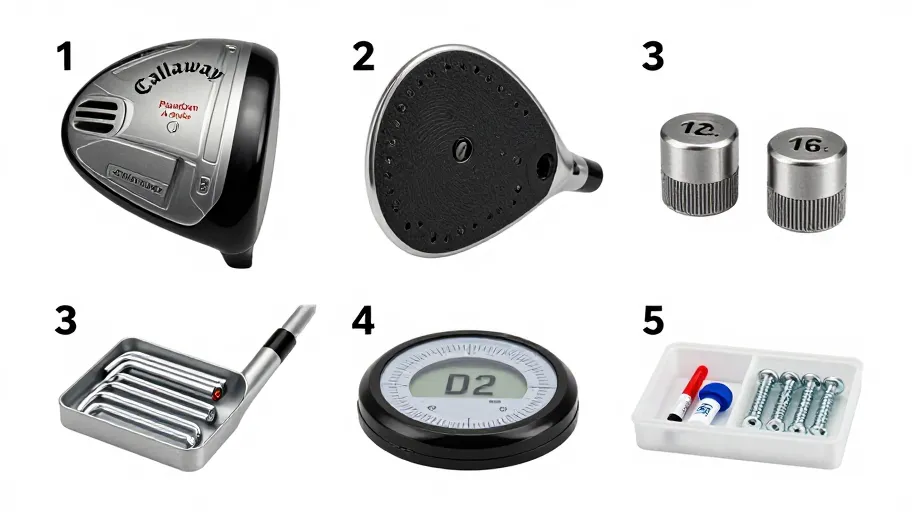
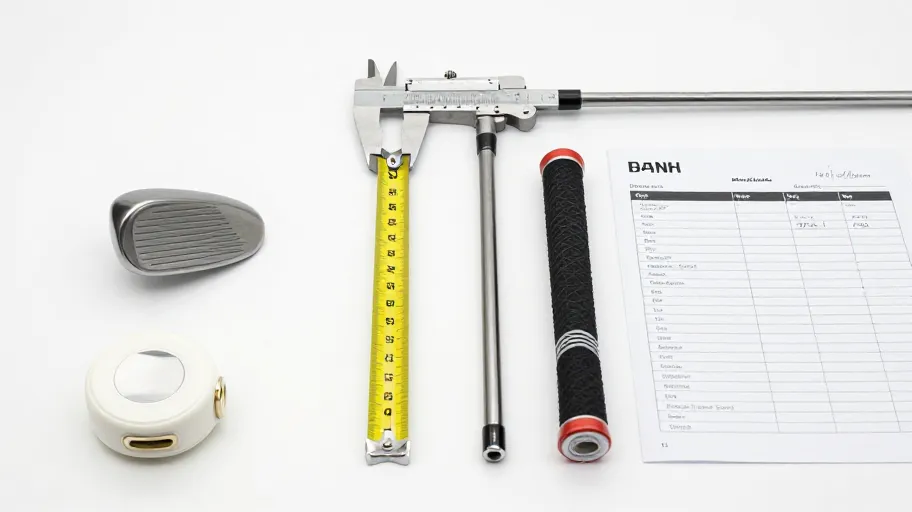
You don’t need a pro shop to get pro-level consistency. Start by identifying your target swing weight—most amateurs perform best between D0 and D3, where clubs feel balanced, not head-heavy. Use a calibrated swing weight scale to measure your current setup; this eliminates guesswork and ensures accuracy.
Choose your method: adhesive lead tape for quick external tuning or internal plug weights for clean, permanent adjustment. Apply changes in 1–3 gram increments, testing each with short swings to assess tempo and feel. One weekend golfer fixed inconsistent ball striking with three micro-adjustments, extending his irons’ life by two full seasons.
That’s a 100% ROI on a $10 investment. When you build your first DIY-adjusted club, you’re not just modifying gear—you’re taking control of your game, one gram at a time.
Master Your Swing, DIY Your Fit. DIY Golf is the premier destination for the technical golfer. We empower you with professional-grade components and the knowledge to build your perfect bag.