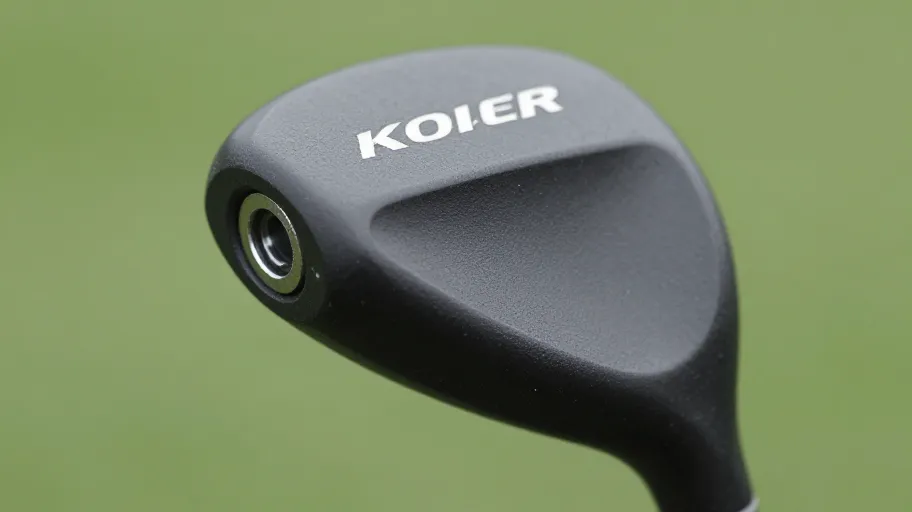
A driver weight replacement is a small screw-in or slide-in component that restores or adjusts the mass at the head, and the buying decision turns less on the weight value than on whether the part physically seats in your specific head. This article gives you a short confirmation loop — identify the head, measure the port, document the screw pattern, then verify against first-party fitment evidence — so you can replace the weight on your exact brand, family and model without guesswork.
The Head-Port Confirmation Loop
We advise buyers to work through four steps before comparing listings. Each step produces a documented fact about your own club, which is the only evidence that should drive a compatibility decision.
- Identify the head. Read the brand, family, model name, loft marking and any generation or version identifier printed or stamped on the crown, sole or hosel. Note them exactly as written.
- Measure the port. With the existing weight removed, document the port opening and the internal thread or slot geometry as best you can — thread diameter where visible, screw-head type, and whether the weight screws in from the sole or slides into a track. Do not rely on a family photo of a similar head; port geometry can differ between trims and generations within the same family.
- Document the screw pattern. Photograph the removed weight from the thread side and the head side, and record the marking on the weight itself, including any stamped weight value.
- Verify against first-party fitment evidence. Compare your documented facts against the seller's own fitment guidance for that exact model — not a forum post, not a similar-sounding family name. If the evidence does not address your specific head, ask before you buy.
The loop ends only when the seller has confirmed fitment for your brand, family and model in writing. Anything short of that is a guess dressed up as a decision.
Measurements buyers miss in the first brief
Most aborted or mismatched orders trace back to details skipped at the enquiry stage. Three come up repeatedly in a sourcing-adviser role:
- The port versus the weight. Buyers measure the old weight and assume it describes the port. The two are related but not identical; the seller needs the head-side facts, not only the removed part.
- The generation inside the family. A family name can cover several releases. A weight described for one release may not address another. The loft sticker, serial region and model-year markings help pin this down, so record them.
- The original weight value and position. If the head has front and back or heel and toe ports, record which port the removed weight came from and its marked value. Swapping positions or values without documentation makes later verification harder.
None of these require special equipment. They require a few minutes with the club on a bench and a phone camera.
Decision table: document before you compare parts
| # | What to record | Why it matters | Where to find it |
|---|---|---|---|
| 1 | Brand, family, model name and generation | Fitment is confirmed per exact model, not per family | Crown, sole, hosel markings |
| 2 | Loft marking | Trim and port layouts can differ across lofts within one model | Sole or hosel sticker |
| 3 | Port type: screw-in or slide-in track | Determines which replacement category applies | Sole of the head, existing weight |
| 4 | Screw-head type (for screw-in ports) | Matching the tool and thread interface | Removed weight, head side |
| 5 | Marked weight value and port position | Restores or adjusts the intended distribution deliberately | Removed weight itself |
| 6 | A clear photo of the thread or track side | Lets the seller verify against their fitment records | Your bench and camera |
Complete all six rows before you compare listings. A listing that cannot be matched to rows 1 and 3 should not be shortlisted.
Approval questions to put to the seller
Treat the pre-purchase exchange as an approval process, not a checkout form. Ask directly and expect plain answers:
- "Does this weight fit my exact brand, family and model, including my generation? Please confirm in writing."
- "Is the thread or track interface of this part documented for my model? Can you share the fitment note that covers it?"
- "What is the stated material and mass of this specific part?" (Note: confirm material claims against first-party evidence; do not accept them by assumption.)
- "If the part does not seat or does not match my head, what is the current returns or exchange position? Please state the current policy in writing before I order."
- "Is any sample or inspection option available before a full order, and what does the current policy cover? Please confirm the terms directly."
These questions are deliberately answerable with yes, no or a document. A seller who cannot address them for your exact model has not earned the order yet.
One primary CTA
Check brand, family and model first. Before comparing any listing, write down your head's exact brand, family, model and generation, then ask DIY-Golf to confirm fitment for that specific combination. It takes minutes and it is the single highest-value step in the whole purchase.
FAQ
Can I buy a replacement weight based on my driver family name alone? We advise against it. Fitment confirmation should be tied to the exact model and generation, not the family name, because port interfaces can differ across releases within a family. Send DIY-Golf your full model identification and ask for a written fitment confirmation.
I measured my old weight. Is that enough to order? It is a start, but the seller also needs the head-side facts: port type, screw or track interface and model identification. The old weight tells you what came out; the head tells you what has to go back in.
Do I need a torque wrench or special tool to swap the weight? Follow the tooling and installation guidance given for your specific head and part, and confirm directly with DIY-Golf what they recommend for the exact component you are buying. This article does not assert tooling requirements for any model.
Will changing the weight change how my driver performs? Weight position and mass are part of how a head was designed to play, but this article makes no performance claim for any replacement part. Any outcome depends on your specific head, build and swing, and should be verified by you — ideally through your own testing — after fitment is confirmed.
What if the part does not fit when it arrives? That risk is exactly why the confirmation loop exists: get written fitment confirmation before ordering. For what happens after delivery, ask DIY-Golf to state their current returns and exchange position for that item in writing before you pay. This article does not describe any policy on their behalf.
One low-friction checklist CTA
Run the six-row checklist above and send it with your enquiry. A complete table — model, loft, port type, screw interface, weight value and photo — is the fastest way to get a usable fitment answer. Attach it to your first message to DIY-Golf rather than trading emails one detail at a time.
Master Your Swing, DIY Your Fit. DIY Golf is the premier destination for the technical golfer. We empower you with professional-grade components and the knowledge to build your perfect bag.


