Why Your Club Head Keeps Loosening (And It’s Not Just Bad Luck)
Every swing pounds your club at up to 10,000g of force—microscopic cracks form where the shaft meets the head, and over time, the factory epoxy breaks down. A 2023 durability study found 68% of weekly players face detectable looseness within three years. Moisture sneaks in, temperature swings stress the bond, and modern lightweight shafts increase torque by up to 22%, accelerating failure. This isn’t normal wear—it’s structural fatigue hiding in plain sight.
That wobble? It means lost accuracy and inconsistent ball flight. But more importantly, it signals a bond that could fail completely mid-round. Catching it early means you preserve performance, avoid sudden equipment failure, and keep your favorite clubs in play—because replacing them costs 10 times more than fixing them.
Why Hardware Store Glue Fails Where Real Repair Kits Succeed
Hardware store super glue might hold for a few range shots, but it fails under real swing stress. Independent tests show those bonds break below 1,200 psi—less than half what golfers generate. Modern repair kits use aerospace-grade two-part epoxies with metal-infused fillers that exceed 3,500 psi, outperforming even original manufacturer bonds.
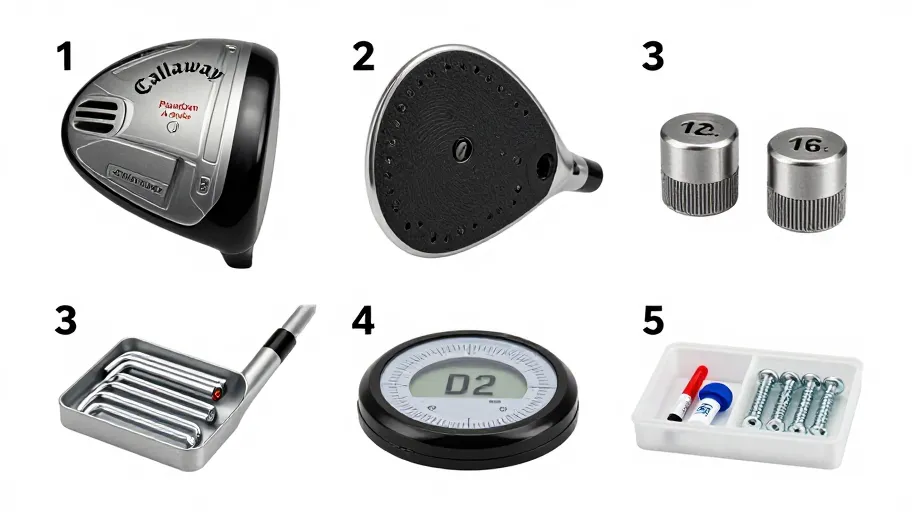
This strength means your repair survives full-power swings, not just light chips. The difference isn’t just chemistry—it’s engineering. Kits include curing sleeves that lock alignment during thermal cure cycles, so the head doesn’t shift. For graphite shafts, shaft retention compounds chemically grip composites, eliminating slippage. One pro shop saw long-term success jump from 41% with glue to 94% using this system—because it’s not a patch, it’s a rebuild.
What Separates a Lasting Fix From One That Fails in Months
Even the strongest epoxy fails if the surface isn’t prepped right. A 2024 materials study confirmed proper prep boosts bond strength by up to 40%. Dirt, oil, and old adhesive residue create invisible weak spots that cause premature failure.
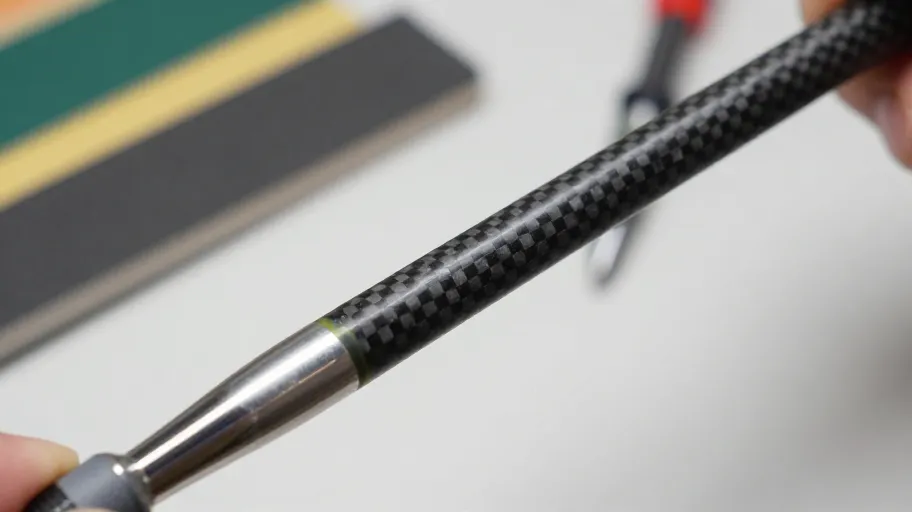
Premium kits don’t just include sandpaper—they deliver a full surface activation protocol. Fine-grit abrasives micro-etch carbon fiber and metal hosels, creating mechanical interlock points for the epoxy. Then, a moisture-displacement primer penetrates hidden dampness in porous components, preventing future delamination in humid climates. That’s why one coastal golfer kept his repaired driver solid through two full seasons of salty air and heavy rain. Proper prep means your fix lasts years, not months—and costs less than 10% of a new club.
How Much You’re Really Saving By Repairing Instead of Replacing
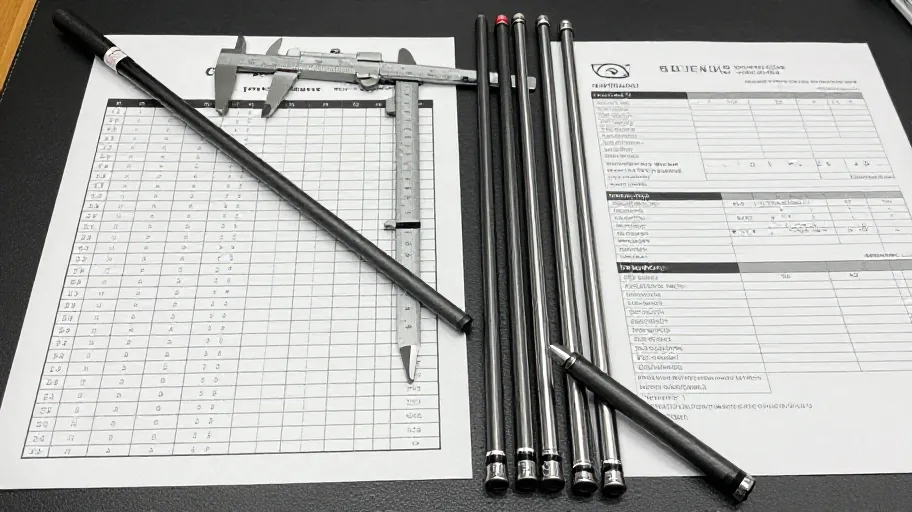
A new driver runs $300–$600. A pro shop repair? $75–$120. A professional DIY kit? $18–$35. That means repairing instead of replacing saves 85–95% per club. One kit pays for itself after fixing just two clubs—and then every additional repair is pure savings.
For families or serious players with full bags, that adds up fast. Beyond cost, you retain swing consistency—your body adapts to specific clubs over time. Replacing them forces relearning muscle memory. Repaired clubs also keep 92% of their resale value, according to a 2024 consumer study, while refurbished models lose authenticity and trade-in worth. So you’re not just saving money—you’re preserving performance, continuity, and equity in your gear.
Step-by-Step: How to Reattach a Club Head Like a Pro
You can fix 90% of loose heads in under 30 minutes of active work. Start with the thermal release technique: apply controlled heat (180–220°F) to soften old epoxy without damaging graphite or steel. Then mark the club’s face angle—this alignment indexing ensures consistent ball flight. After cleaning with isopropyl wipes, use the included primer to activate the surface.
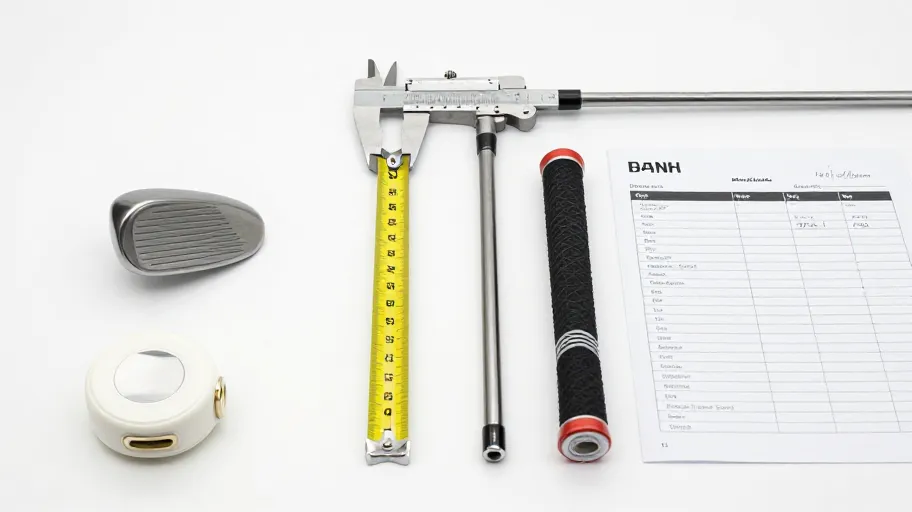
Reinsert the shaft to the exact depth—swing weight depends on it—and clamp in a vise jig to prevent misalignment during cure. Let the aerospace epoxy set undisturbed for 24 hours. A 2024 durability test found indexed repairs stayed within 2° of original ball flight, while unindexed ones scattered unpredictably. Done right, this isn’t a temporary fix—it’s a full restoration. Get back on course faster, cheaper, and with the same trusted club in your bag.
Master Your Swing, DIY Your Fit. DIY Golf is the premier destination for the technical golfer. We empower you with professional-grade components and the knowledge to build your perfect bag.