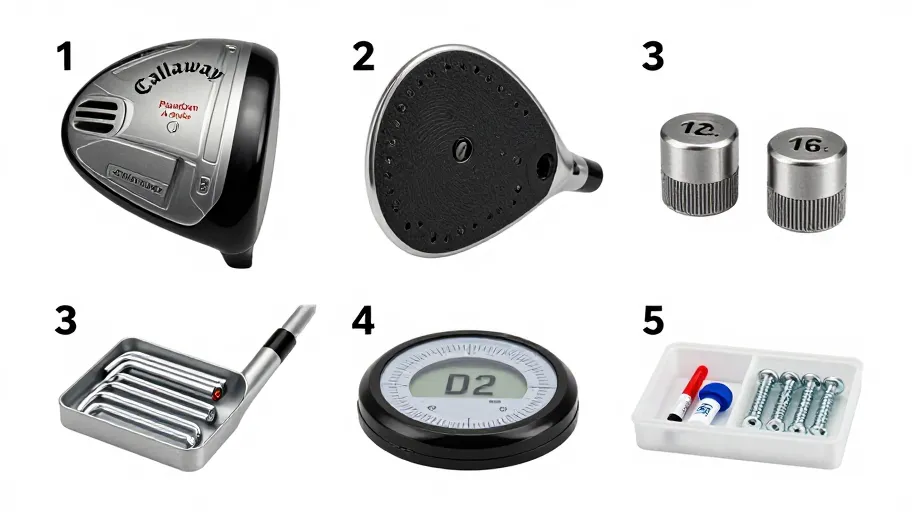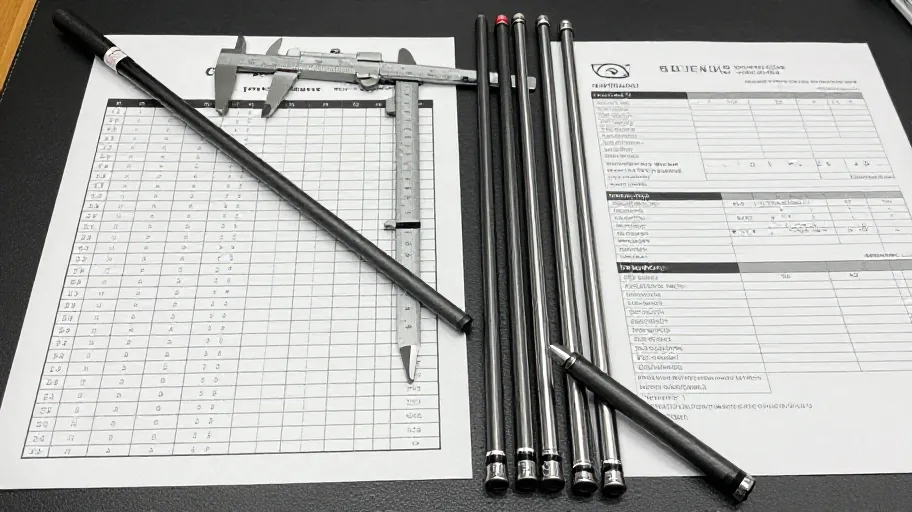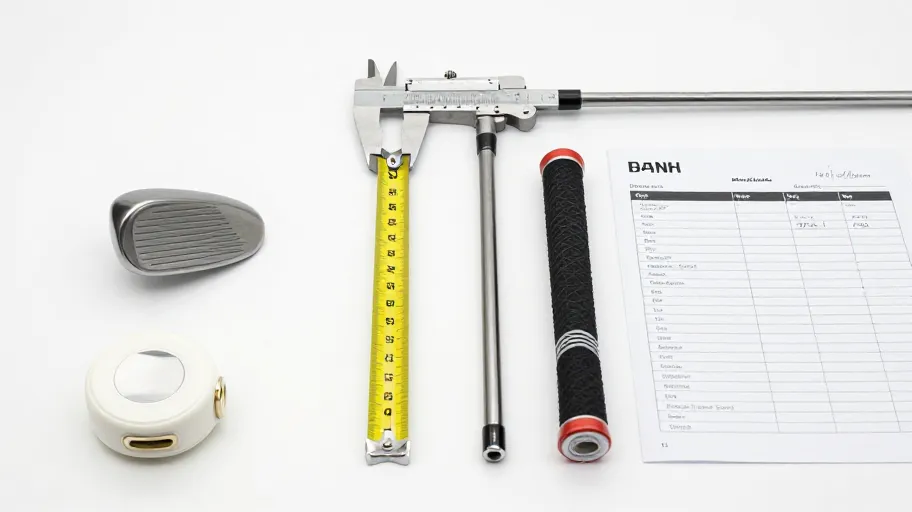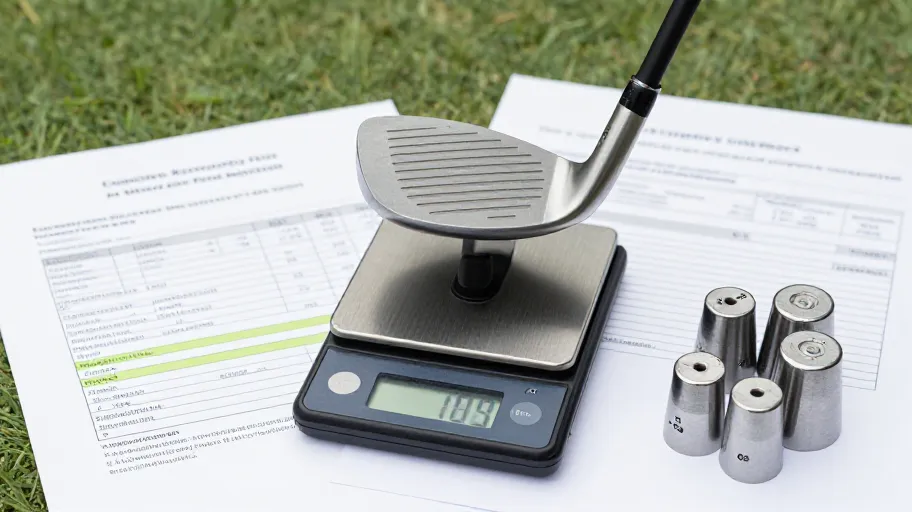
To verify golf club weights for a specific build, measure the first sample's mass, confirm the mounting geometry matches your target club family, and document the material properties before initiating assembly. You must secure direct confirmation of all sample, cost, and shipping policies from the supplier, as no product-specific commercial terms were provided for this review.
The Weight Acceptance Protocol (WAP)
When sourcing golf club weights, the first sample dictates the success of the entire build. The Weight Acceptance Protocol provides a structured method to evaluate that sample. This protocol forces the builder to separate physical observations from commercial assumptions. You must verify dimensional compatibility, mass accuracy, and material composition independently. By documenting these attributes, you create an objective standard to compare against future deliveries. Do not assume that the first sample represents a production standard; treat it as a single data point requiring your explicit approval.
Component evaluation decision table
Use this table to determine whether to approve the golf club weights or request further clarification from the supplier.
| Evaluation category | Inspection method | Required confirmation | Approval action |
|---|---|---|---|
| Mass property | Calibrated scale measurement | Total mass matches target swing weight modification | Document exact weight and proceed |
| Mounting geometry | Visual and mechanical fitment test | Thread pitch or adhesive slot matches the specific club model | Confirm fitment on the target club sole |
| Material composition | Supplier documentation review | Material specification sheet provided | Verify material matches order request |
| Surface finish | Visual inspection under direct light | No visible coating defects or machining marks | Photograph sample and file in build records |
| Commercial policy | Direct supplier inquiry | Sample fee, shipping cost, and return rules confirmed | Sign off on commercial terms before bulk order |
First-sample review checklist
Work through this low-friction checklist when the physical sample arrives. Do not advance to the assembly phase until every item is documented.
- Measure the exact mass of the component on a calibrated digital scale.
- Test the thread or press-fit compatibility with the specific club head.
- Request and review the material specification sheet from the supplier.
- Inspect the coating or finish for uniformity and adhesion.
- Confirm the sample fee policy directly with the vendor.
- Confirm the shipping cost and responsibility for the sample directly with the vendor.
- Confirm the return or rejection policy for non-conforming components directly with the vendor.
- Photograph the sample alongside the target club head for your build records.
- Log the date of the physical inspection.
Approval questions for the supplier
Before adding the component to your final build, submit these questions to your supplier to establish a clear understanding. You must document the responses.
- What is the exact mass tolerance range for this specific production run?
- What material grade do you use for these specific golf club weights?
- What is the precise thread count for the mounting screw?
- What plating or coating process do you apply to the component surface?
- What is your policy regarding sample fees and shipping costs for future evaluations?
- What is your procedure if a delivered production batch fails to match the approved first sample?
Frequently asked questions
How do I confirm the correct weight for my specific club model? You must identify the exact club family and model, then compare the required mass against the first sample. Use the fitment selector to cross-reference the component specifications with your specific club head. Do not assume compatibility across different model generations without direct physical verification.
Can I expect the production components to match the first sample exactly? You must confirm the supplier's production tolerance range directly. Treat the first sample as a baseline, but require the supplier to define the acceptable variance in writing. Do not accept verbal assurances regarding dimensional or mass consistency.
What should I do if the sample finish appears different from the product image? Document the discrepancy with high-resolution photographs. Contact the supplier to confirm whether the finish on the sample represents the current production material. Request updated documentation if the visual appearance deviates from the original order specifications.
Who pays the shipping for the first sample? You must confirm the shipping policy directly with the supplier. Do not assume that shipping costs are included or waived. Request a written breakdown of all sample-related charges before proceeding with a production order.
Is the sample fee applicable toward my final bulk order? You must verify the supplier's fee policy directly. Some suppliers apply sample fees to bulk orders, while others treat them as standalone costs. Secure this commercial detail in writing to avoid unexpected expenses.
Next steps for your component sourcing
Before you add any golf club weights to your build cart, complete the Weight Acceptance Protocol on your first sample. Sourcing components requires strict verification of physical and commercial attributes. Use the fitment selector before adding a component to ensure the specifications align with your target club family and model. Confirm all commercial policies directly with the supplier to protect your project timeline.
Primary CTA: Use the fitment selector before adding a component.
Master Your Swing, DIY Your Fit. DIY Golf is the premier destination for the technical golfer. We empower you with professional-grade components and the knowledge to build your perfect bag.