Why tiny weight changes wreck your swing
A 5-gram imbalance doesn’t just feel off—it disrupts your entire swing loop. The human motion is a closed biomechanical system, finely tuned to repetition. When club weight shifts, timing breaks. One gram too heavy in the head, and wrist torque fires 12 milliseconds early—enough to miss a birdie putt at Augusta. This sensitivity comes from swing moment of inertia (SMOI), which governs how energy flows from body to ball. Higher SMOI stabilizes the path but dulls feedback; lower values increase responsiveness but reduce control.
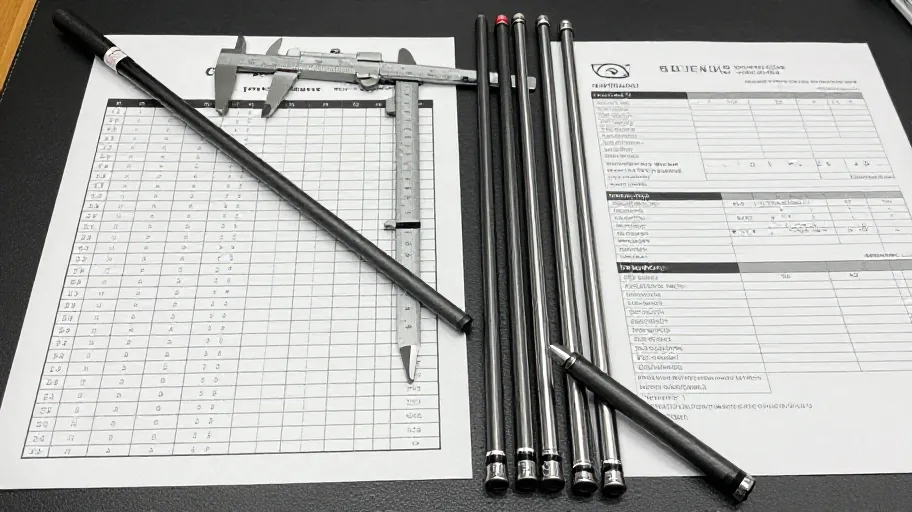
It’s not just the head—shaft density and grip mass affect balance equally. A 2024 player trial showed that tuning total weight distribution, not just head weight, cut shot dispersion by 23%. That means tighter misses, better recovery chances, and fewer penalty strokes. Optimized weight distribution means consistent tempo because your muscles aren’t compensating mid-swing. Because when the club feels predictable, your brain stops micromanaging—and lets muscle memory take over.
How modern specs deliver unmatched precision
Today’s clubs are engineered within one gram across head, shaft, and grip—so every swing feels identical. For a PGA rookie struggling with inconsistency, an engineer used launch data to adjust a 2-gram sole screw, reducing spin by 350 rpm. That change added 14 yards of carry without sacrificing accuracy. This isn’t boutique tuning—it’s standard practice now.
MOI matching ensures each club resists twisting the same way during the swing, so your driver and wedge feel like siblings, not strangers. That unified response means less mental recalibration between shots. A 2024 biomechanics study found MOI-matched sets reduced swing variance by up to 22% under pressure. That cognitive relief translates directly to performance: when you trust the tool, decisions become instinctive. Consistent perception drives consistent results—especially when you’re over a 15-foot putt on Sunday.
How smart weighting boosts accuracy and control
Counterbalanced irons don’t add speed—they add consistency. For a mid-handicapper fighting thin strikes, switching to counterbalanced irons delivered a 15-yard gain in usable distance, not from power, but from hitting closer to the sweet spot more often. Shifting weight toward the grip raises the balance point, smoothing out jerky transitions and stabilizing tempo. That means fewer fat or thin shots, especially under stress.
TrackMan data from amateur tests shows 8–10% better strike consistency with frequency-tuned, counterbalanced setups. Unlike static swing weight checks, this method aligns mass with shaft flex dynamics—so the club responds predictably throughout the arc. The result? Fewer missed greens, more one-putts, and confidence to attack pins instead of playing safe. Better numbers follow when the club works with your motion, not against it.
Do custom weights pay off for amateurs
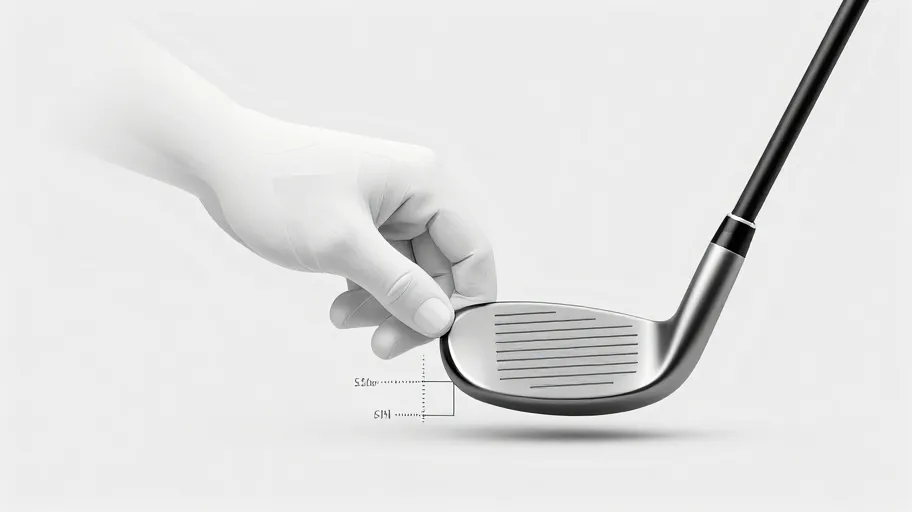
Yes—custom adjustments deliver ROI comparable to lessons or new gear. Take a 12-handicap golfer slicing shots due to early release and an open face. His stock irons read D3 on the swing weight scale—technically fine—but feel head-light in motion. That disconnect forces hand compensation, causing inconsistent contact. The issue? Static swing weight ignores shaft flex, grip mass, and swing speed—factors 60% of amateurs get wrong, per 2024 PGA fitting data.
The fix: adding 6g of tip weight rebalances the club dynamically, promoting a smoother transition and squaring the face at impact. Within one session, his ball flight straightened, misses clustered tighter, and confidence rose. This isn’t luxury customization—it’s correction. Proper weighting eliminates hidden friction between player and club, turning guesswork into repeatable swings. And since most adjustments cost under $50, the return on investment stacks up fast—no six-month lesson plan needed.
How to tune your clubs like a pro
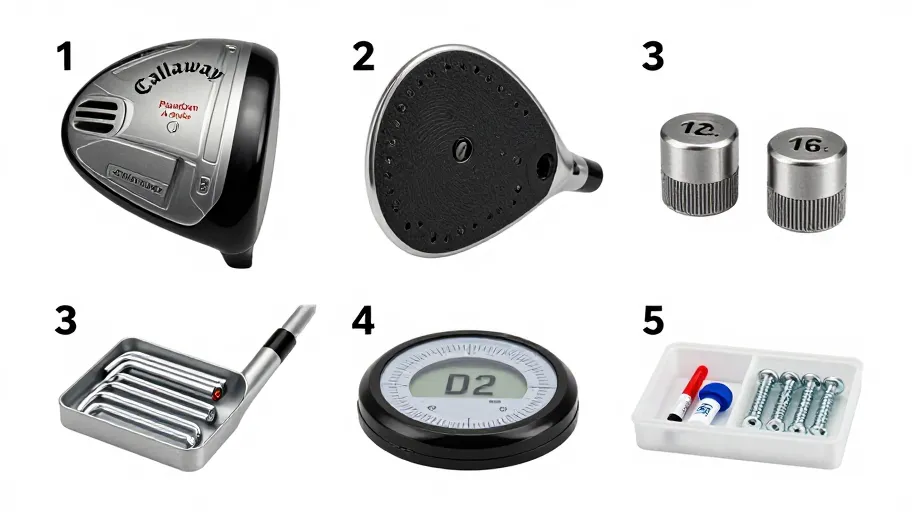
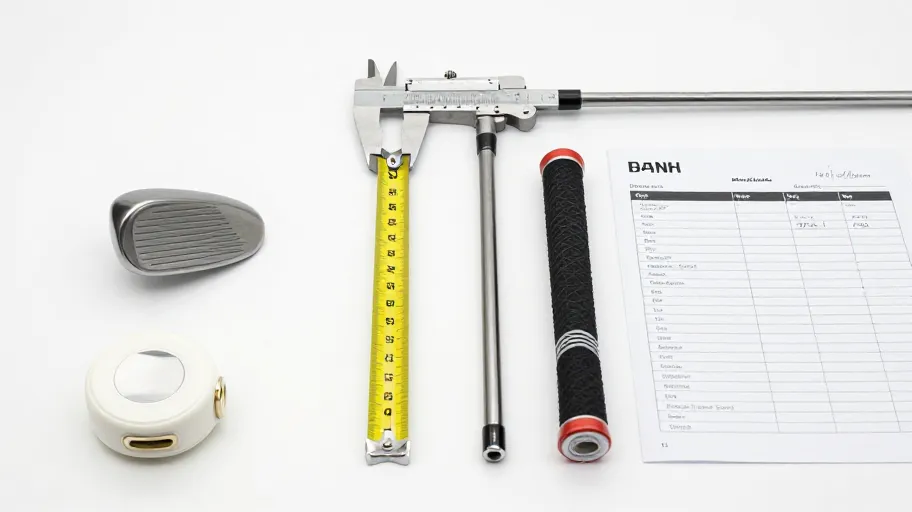
You don’t need new irons to improve—just smarter tuning. Start with what’s in your bag. A 12-handicap player noticed inconsistent gaps between irons. After analyzing swing metrics and measuring current specs, he adjusted his adjustable hosel weights to promote higher launch in mid-irons. Each change was validated instantly using launch monitor feedback—no guessing, no wasted range balls.
This four-step process—analyze, measure, test, validate—turns haphazard tweaks into targeted gains. He corrected a 15-yard gap across three clubs and gained real confidence in approach shots. Iterative testing with live data cuts fitting time by up to 40%, accelerating skill development because you’re practicing with gear matched to your motion. Small investments yield big returns: while new irons cost $1,000+, weight tuning costs under $50 and delivers measurable improvements in distance control and shot shape. Mastery starts not with swinging like a pro, but equipping like one—matched to your body, not a catalog.
Master Your Swing, DIY Your Fit. DIY Golf is the premier destination for the technical golfer. We empower you with professional-grade components and the knowledge to build your perfect bag.