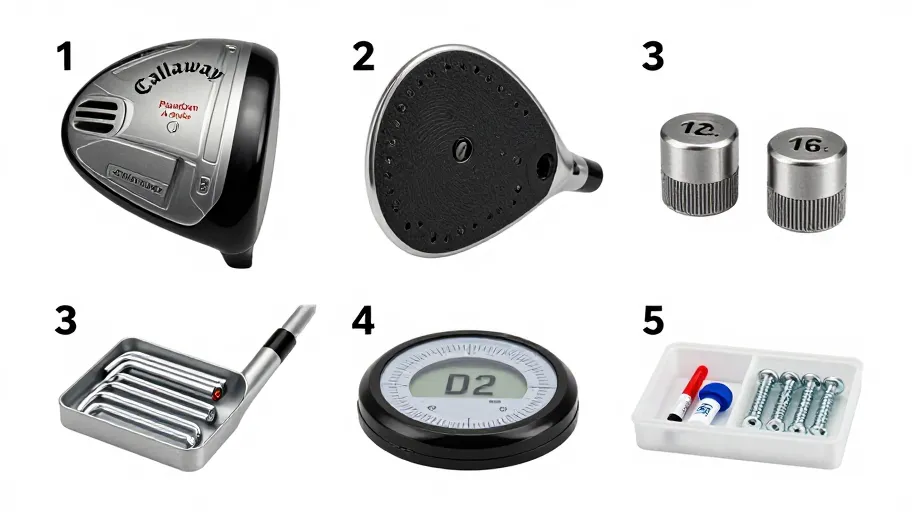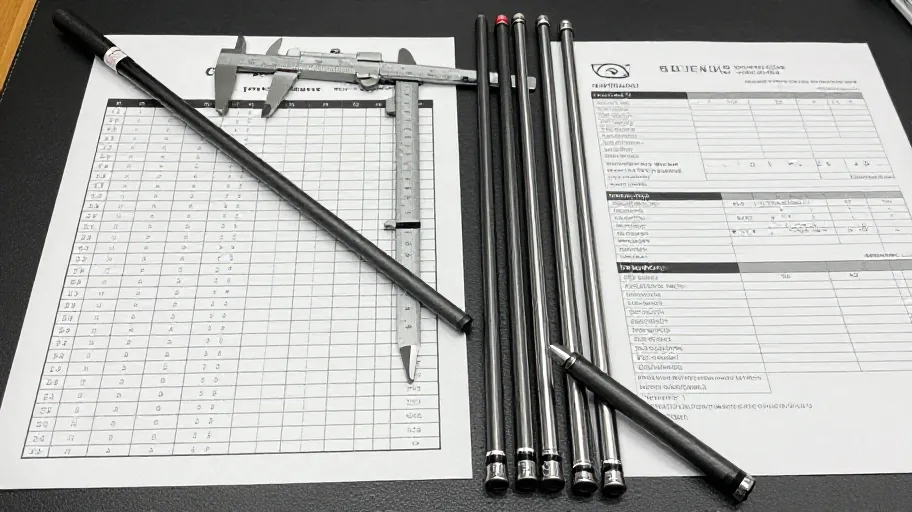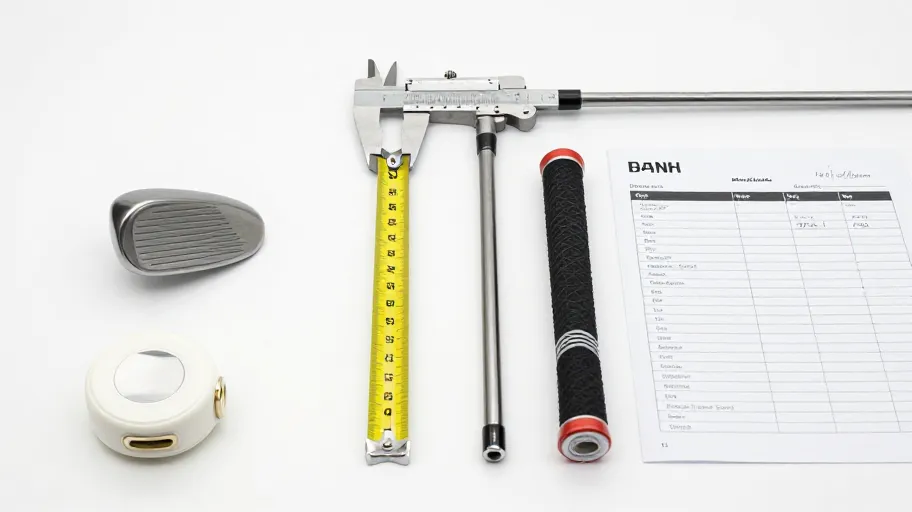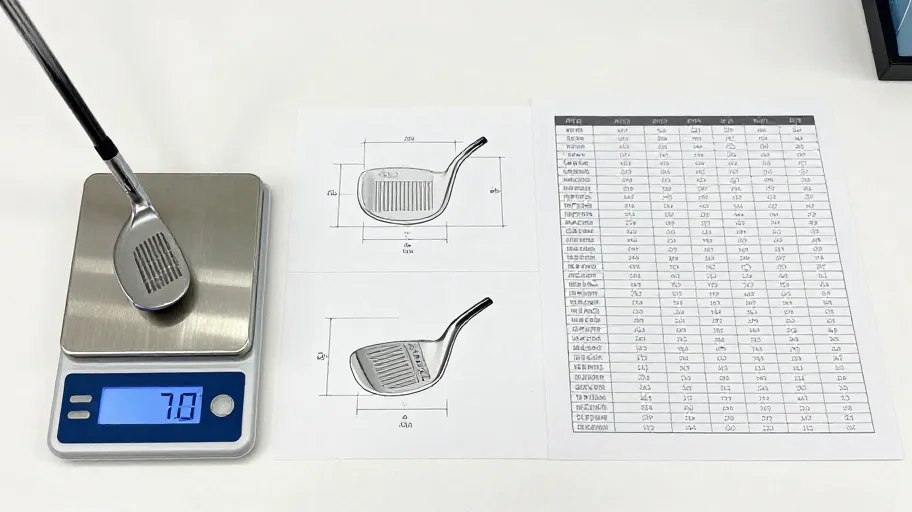
To compare golf club weights without relying on photos, request documented mass specifications, material composition, and exact housing dimensions from the supplier. Validate these figures against your current club model's requirements using a structured evaluation framework. Confirm current sample and procurement policies directly before acquiring any component.
Evaluating golf club weights requires moving past visual analysis. A photograph cannot communicate exact mass, material density, or internal geometry. When sourcing replacement or tuning components, adopt the Component Fitment Verification Framework (CFVF). This framework prioritises documented specifications and first-party confirmation over visual estimation.
The Component Fitment Verification Framework (CFVF)
The CFVF dictates that a buyer must separate visual likeness from measured reality. To implement this framework, demand precise data for mass, material composition, and interface geometry. Validate that the component fits the specific club family and model. State that the reader must confirm all current sample, cost, shipping, and production policies directly with the supplier before proceeding.
Suppliers present components in environments with favorable lighting and angles. This styling obscures critical variables. A weight that appears identical in a photo might feature a different insertion mechanism or a material that alters the club's balance point. Relying on images alone introduces risk into the build process.
Decision table for comparing sample variables
When analyzing golf club weights, structure your evaluation using the following decision table.
| Evaluation variable | Visual analysis limitation | First-party data to request | Action if unverified |
|---|---|---|---|
| Total mass | Photos conceal actual weight | Documented mass specification | Do not approve component |
| Material composition | Finish looks identical, density varies | Material grade documentation | Request material certification |
| Interface geometry | Angles hide housing dimensions | Engineering drawings or schematics | Require technical schematic |
| Port compatibility | Internal threading invisible | Model-specific fitment confirmation | Validate with fitment selector |
| Finish durability | Lighting alters perceived hardness | Surface treatment specifications | Query treatment process |
Concrete approval questions
To ensure compatibility, present these questions to your supplier. Do not proceed without documented answers.
- What is the exact mass specification for this component?
- What material grade constitutes this weight?
- Can you provide an engineering schematic detailing the interface geometry?
- Does this specific component match the housing port of the club model family?
- What is the current policy regarding sample acquisition, shipping, and production?
Pre-acquisition verification checklist
Before adding any golf club weights to your inventory, complete this checklist.
- Request and receive documented mass specification
- Confirm material composition with the supplier
- Obtain engineering schematics for interface geometry
- Verify club model fitment compatibility
- Confirm current sample and procurement policies directly
- Validate all claims against first-party evidence
Frequently asked questions
Why are photographs insufficient for comparing golf club weights? Photographs cannot communicate exact mass, material density, or internal geometry. A component might look correct but fail to match the housing port or balance requirements of a specific club model. Relying on documented specifications and first-party evidence mitigates this risk.
How do I confirm material composition for a replacement weight? Request material grade documentation from the supplier. A visual inspection cannot verify material density or grade. You must confirm the material composition directly with the supplier before approving the component for your build.
What must I verify before acquiring a component? You must verify the exact mass specification, material composition, interface geometry, and model-specific fitment. State that the reader must confirm all current sample, cost, shipping, and production policies directly with the supplier.
Can I assume compatibility if a component looks identical to my current weight? No. Visual likeness does not guarantee compatibility. Internal threading, housing dimensions, and material density vary between club families and generations. Use the Component Fitment Verification Framework to demand documented evidence rather than relying on visual estimation.
What is the risk of relying on visual analysis alone? Relying on visual analysis risks acquiring components that fail to fit the club model's housing or alter the intended playing characteristics. Unverified specifications lead to build failures and wasted resources.
Next steps
Use the fitment selector before adding a component.
Before you source your next component, download our pre-acquisition verification checklist to ensure you have all first-party data documented.
Master Your Swing, DIY Your Fit. DIY Golf is the premier destination for the technical golfer. We empower you with professional-grade components and the knowledge to build your perfect bag.