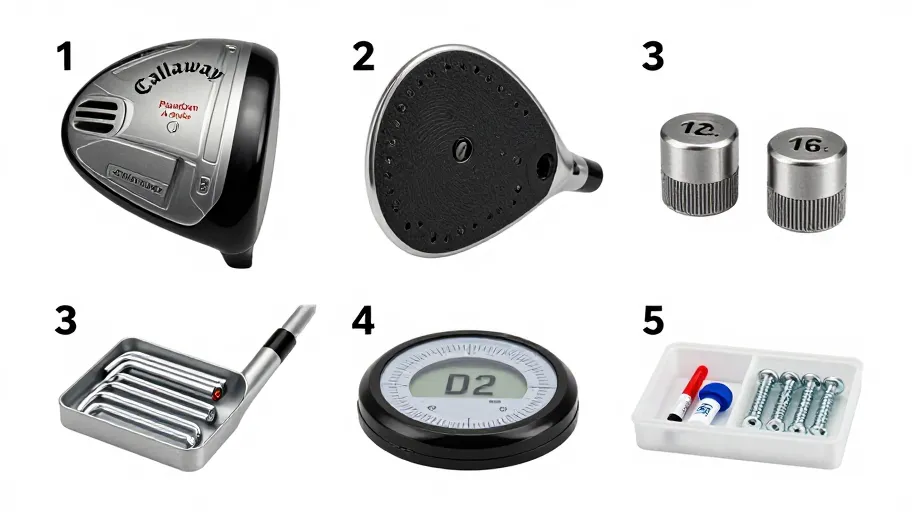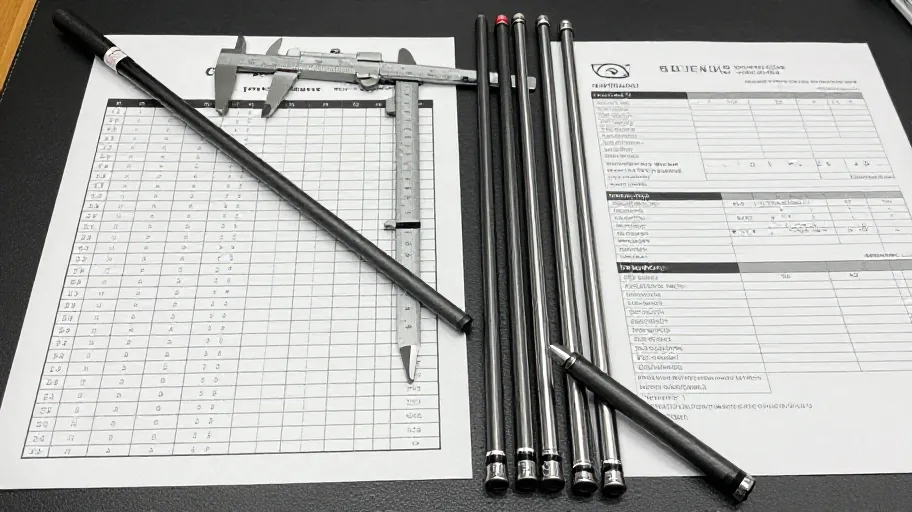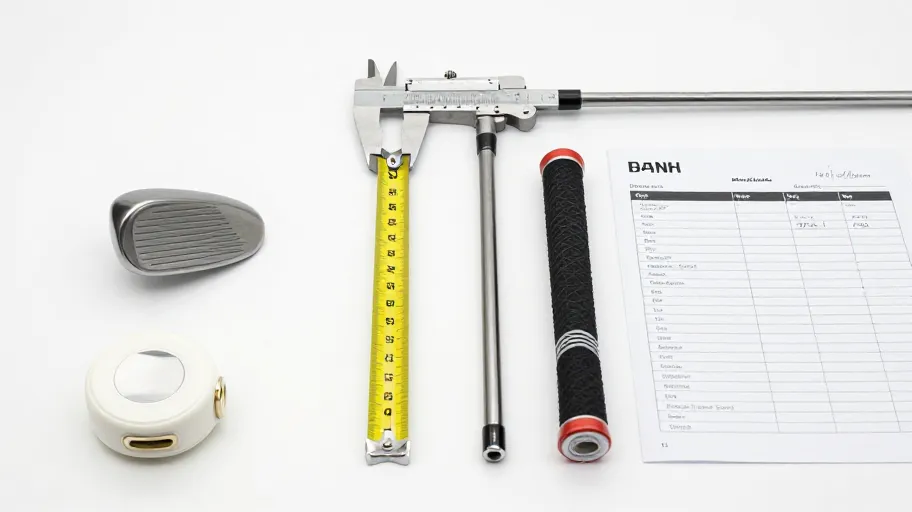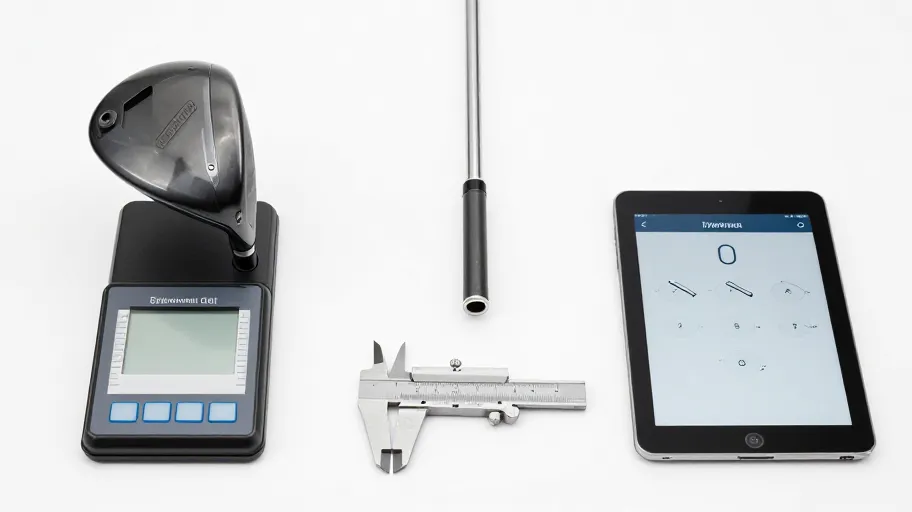
Confirming golf club weights requires verifying the raw head mass, the balance point, and the hosel geometry before acquiring any component. Buyers miss exact gram weights and balance points in the first brief, leading to compatibility failures. You must document these measurements and use the fitment selector to approve every component.
When sourcing golf club weights, the initial brief misses several technical measurements that dictate final compatibility. The Weight-Balance Confirmation Framework provides a structure to evaluate these variables. This framework forces the buyer to isolate the raw mass of the club head, the center of gravity, and the interface geometry before approving a replacement component. Without this structure, builders risk assembling a club that fails to match the target swing profile or physical dimensions of the intended model.
The Weight-Balance Confirmation Framework
This framework breaks the evaluation of golf club weights into three distinct checkpoints. First, document the raw mass of the existing club head without the shaft or grip. Second, map the balance point to understand how the mass distributes. Third, verify the hosel geometry to ensure the new component physically integrates. Skipping any of these steps introduces risk into the build.
Decision table for component weight compatibility
| Component | Measurement to confirm | Approval question | Integration risk |
|---|---|---|---|
| Club head | Raw mass in grams | Does the replacement head match the target gram weight? | Alters swingweight and final total mass |
| Shaft | Raw weight in grams | Does the shaft weight support the target total club mass? | Changes feel and dynamic flex |
| Grip | Weight in grams | Does the grip weight offset or add to the balance point? | Shifts the balance point |
| Tip trim | Hosel depth and diameter | Does the shaft tip match the hosel bore dimensions? | Prevents proper installation |
| Sleeve | Weight and geometry | Does the sleeve add mass that impacts the head weight? | Varies final swingweight |
Approval questions for the supplier
When reviewing golf club weights, formulate these questions to confirm compatibility directly:
- What is the exact raw gram weight of this club head before shaft installation?
- What is the balance point location for this specific component?
- What is the internal hosel diameter and depth for this club model?
- How does the tip trim geometry of this shaft match the hosel bore of the intended head?
- Does the weight adjustment sleeve add or subtract mass from the head?
- What is the confirmed stock status for this exact model?
- What is the current shipping and return policy for this component?
FAQ
What is the difference between swingweight and golf club weights? Swingweight is a measurement of the club's balance, while golf club weights refer to the raw mass of individual components in grams. You must confirm both metrics to achieve the desired build.
How do I match a replacement shaft to my current club weight? You must document the raw weight of your current shaft and compare it to the replacement shaft weight. Use the fitment selector to verify compatibility before acquiring the component.
Does grip weight affect overall golf club weights? Grip weight contributes to the total mass and influences the balance point. You must confirm the exact gram weight of the grip to manage the balance effectively.
Why does tip trim matter for golf club weights? Tip trim geometry dictates how the shaft interfaces with the hosel. If the dimensions do not match, the installation fails, regardless of the component weight.
Can I adjust golf club weights without changing the shaft? You can adjust weights by changing the head, grip, or weight screws, but you must confirm the total mass and balance point. Use the fitment selector to verify all changes.
Use the fitment selector before adding a component to verify all compatibility metrics.
Before sourcing your next component, complete this 5-point checklist:
- Document the raw gram weight of your current head.
- Measure the balance point of your assembled club.
- Verify the internal hosel diameter.
- Confirm the shaft tip geometry.
- Check the current stock and return policy.
Master Your Swing, DIY Your Fit. DIY Golf is the premier destination for the technical golfer. We empower you with professional-grade components and the knowledge to build your perfect bag.