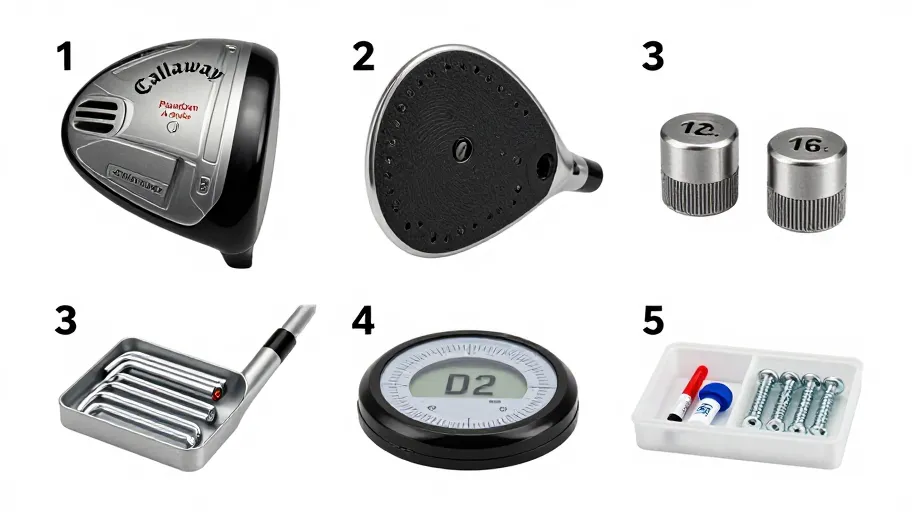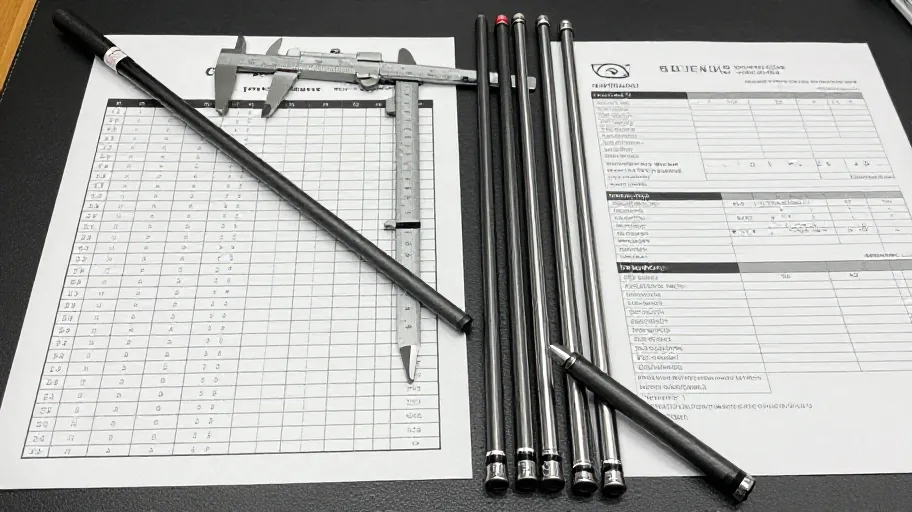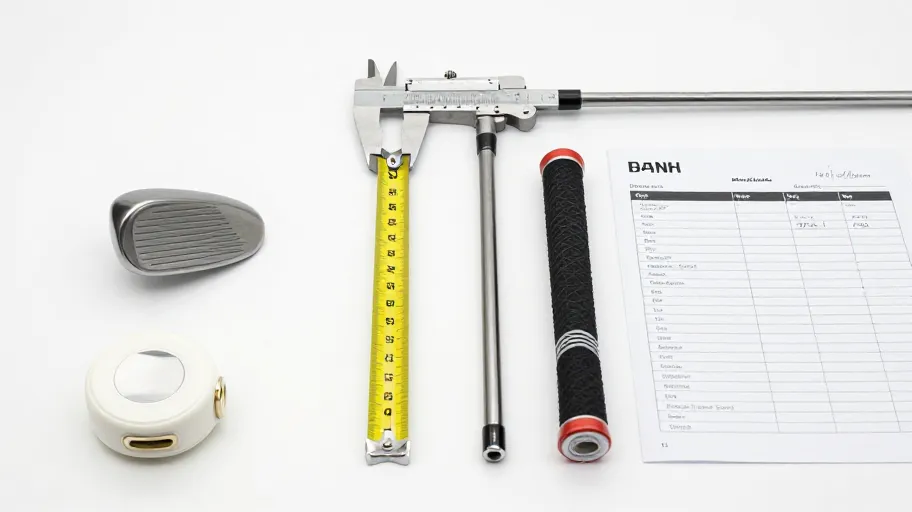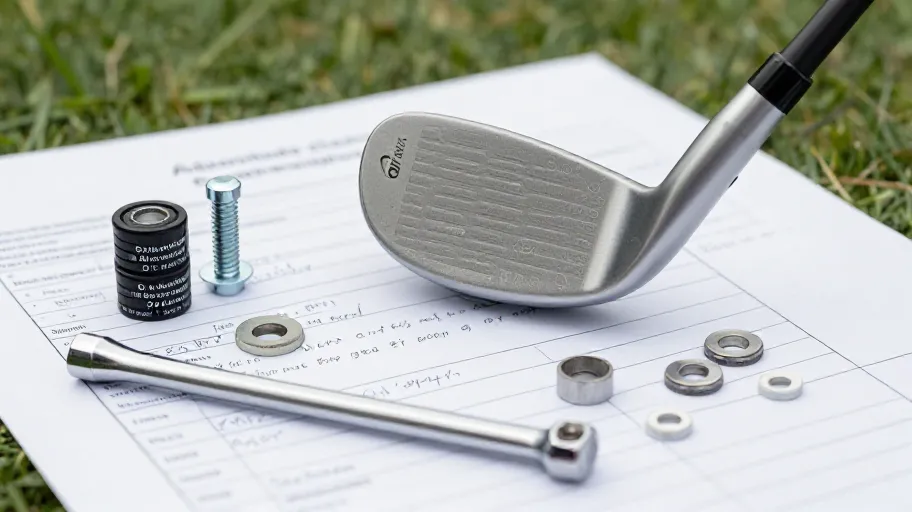
Before you sign off on any golf club weight, confirm four things in writing for the exact club brand, family and model: that the weight's type and interface match your club's port, thread or cavity; that a first-party source confirms compatibility with your model; that the hardware needed for installation is accounted for; and that you have documented the change so you can reverse or repeat it. Everything else — price, shipping, returns, availability — must be confirmed directly at the point of purchase, because none of it can be verified generically.
The WEIGHT Sign-Off Framework
When you are sourcing a replacement or tuning weight, work through six checks. Each one either produces a document you keep or a question you send before approving.
W — Warranty scope. Confirm in writing whether installing a third-party weight affects any warranty on the club. Do not assume; ask the club brand and read the component listing.
E — Evidence trail. Keep a dated record of the compatibility statement you relied on: the listing text, a confirmation message, a fitment-selector result. If a claim cannot be sourced to the exact model, treat it as unverified.
I — Interchange class. Identify the weight's interface — threaded port, press-in cavity, sliding track, adhesive-in cavity — and match it to your club family. Two weights of the same gram value are not interchangeable if their interfaces differ.
G — Goal delta. Write down what you expect the change to do (for example, a swingweight or feel adjustment) and how you will measure it. Do not accept any promised performance outcome; plan to measure your own before/after result.
H — Hardware and torque. Ask what tool, screw, adhesive or torque practice the installation requires, and whether hardware is included. Confirm rather than infer from similar models.
T — Test and document. After installation, test on your own terms — a scale, a swingweight scale, range session — and file the result with your other records.
Decision table: what to do with each piece of evidence
| Evidence you hold | Status | Action before sign-off |
|---|---|---|
| Fitment-selector match for exact brand, family and model | Strong | Save the result; proceed to confirm stock, price and policy directly. |
| Written confirmation from the store or supplier | Strong | File the message with the order reference. |
| Listing text naming your model | Moderate | Verify the model year/family variant matches yours, then confirm via the selector or support. |
| "Fits most/many clubs" phrasing | Weak | Do not rely on it; request model-specific confirmation. |
| Forum or third-party claim | Weak | Treat as a lead, not evidence; verify with a first-party source. |
| No interface specification available | Gap | Ask for thread/port/cavity specification before ordering. |
Approval questions to send before you buy
- Does this weight fit the exact model and year of my club, and can you confirm that in writing?
- What is the interface specification — thread size, port shape, cavity dimensions as described in the listing — and what tool is needed?
- Is all required hardware included, and is any adhesive or torque instruction supplied?
- What are the current stock, price, shipping and return terms for this item?
- If the weight does not fit as described, what is the resolution process?
None of these have generic answers. Every one depends on the specific component and current policy, which is why they are questions to put directly rather than assumptions to carry into checkout.
Documentation checklist
- Fitment-selector result saved (exact brand, family, model).
- Interface type identified and matched (thread / port / cavity / track).
- Written compatibility confirmation filed, dated.
- Installation hardware and tooling confirmed as included or sourced.
- Goal and measurement plan written down (what delta, how measured).
- Warranty impact confirmed with the club brand.
- Current stock, price, shipping and return terms confirmed at point of order.
- Post-installation result recorded for future reference.
Frequently asked questions
Do golf club weights fit across brands? Not as a rule. Interfaces differ between brands, families and model years even when gram values match. Confirm the exact interface and model compatibility for the specific club you are working on.
How do I confirm a weight fits my exact club? Run the club through a fitment selector using brand, family and model, and keep the result. Where any doubt remains, ask for written confirmation before ordering.
Can I assume a heavier or lighter weight will improve my ball flight? No. Weighting changes can alter swingweight and feel, but the outcome depends on your whole build. Set a measurable goal, then test and document your own before/after result rather than relying on any promised performance change.
What should I keep on file after the swap? The compatibility evidence, the order confirmation, the hardware used, your measurement plan and your post-installation test result. That file is what makes the next tuning decision faster and safer.
Who do I ask about returns if the weight does not fit? The store or supplier, directly, before purchasing. Sample, fee, shipping and return policies were not supplied for this article and can change, so confirm current terms for the exact item at the time of order.
Before adding any component, use the fitment selector. Confirm the match for your exact club brand, family and model — then order with the evidence on file.
Low-friction next step: print or copy the documentation checklist above and start your evidence file today — no purchase required.
Master Your Swing, DIY Your Fit. DIY Golf is the premier destination for the technical golfer. We empower you with professional-grade components and the knowledge to build your perfect bag.