How often to change golf grips for real improvement
Golf grip replacement every 12–18 months or after 30–40 rounds means you maintain peak tactile feedback because rubber compounds degrade even when they look fine. Lamkin and Golf Pride wear studies show grips lose up to 60% of their tackiness within a year, which forces your hands to overcompensate by increasing grip pressure as much as 35%. That extra strain leads to inconsistent releases and early fatigue.
Humid or sunny climates accelerate breakdown—Florida players may need new grips twice as often as those in Arizona despite playing the same number of rounds. PGA-certified fitters treat this window as non-negotiable because consistent clubface control depends on reliable surface texture. One amateur tracked his stats and saw a 1.8-stroke drop in scoring average after switching grips—not from changing his swing, but from restoring accurate hand-to-club communication.
Hidden signs your grips are failing you
Tactile feedback degradation means your brain receives distorted signals from the club, because hardened or slick rubber disrupts nerve response in your palms. This isn’t about visible cracks—it’s about lost microtexture that impairs torque sensing during downswing. Club fitters trace up to 40% of wrist instability issues back to worn grips, not flawed mechanics.
You might think you’re losing timing or power, but what’s really happening is silent erosion of control. As the grip fails, you subconsciously squeeze harder to stabilize the club, which tenses forearms and slows swing speed. Replacing grips before this point protects your technique and avoids reinforcing bad habits through compensation. Early renewal delivers about $3 in saved coaching time and better performance for every $1 spent.
Why DIY golf equipment pays off fast
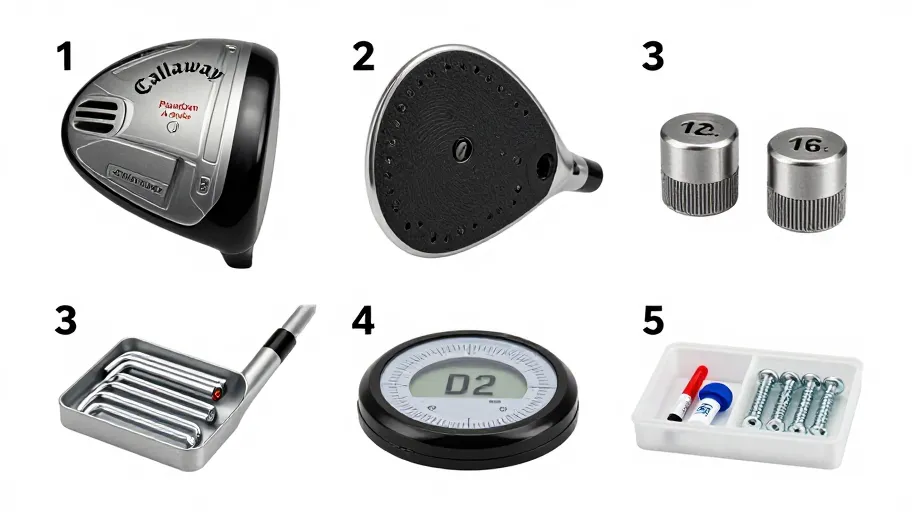
DIY golf equipment maintenance means you cut re-gripping costs by up to 60%, because a full kit lets you replace all your clubs for $5–$10 each instead of paying $15–$18 at a pro shop. But the real benefit isn’t just price—it’s precision. You control tape tension, solvent type, and alignment, so every grip matches your stroke pattern exactly.
The modern DIY re-gripping kit includes professional-grade tools calibrated for home use, making it accessible to weekend players and serious amateurs alike. One golfer restored six clubs in under an hour with laser-straight logos and immediate feedback gains. Doing it yourself also eliminates delays from shop schedules and generic installations that don’t account for your grip style. This hands-on skill builds long-term equipment literacy, turning upkeep into a strategic edge.
The true ROI of fresh grips
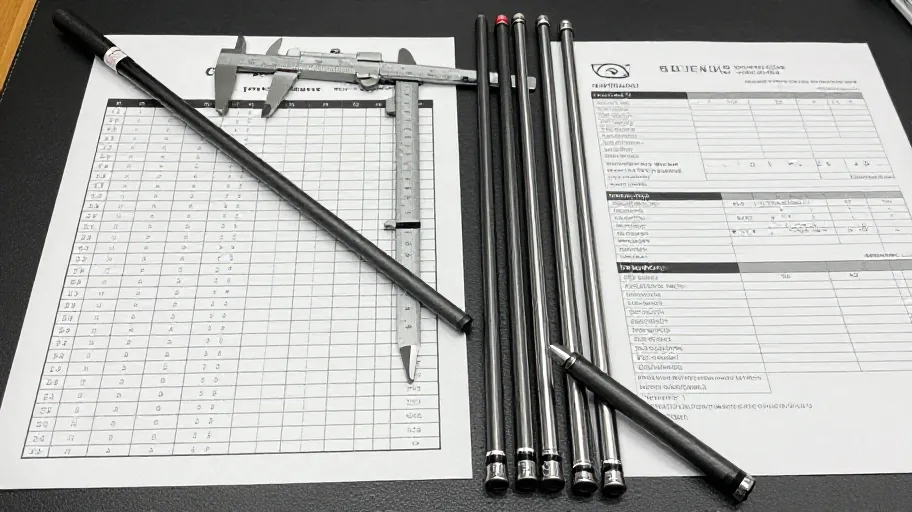
Fresh grips deliver measurable returns because improved traction enables precise clubface control, which tightens shot dispersion without increasing effort. A teaching pro’s analysis found mid-handicap players gained 2–4 strokes per round after replacement—just from restored consistency. That’s performance gain on par with new clubs or lessons, at less than 10% of the cost.
Delaying replacement risks more than lost shots—it entrenches poor mechanics. The 2025 PGA coaching survey revealed 68% of recurring swing flaws started as equipment-related compensations. By replacing grips proactively, you protect your development and reinforce correct movement patterns. Every solid strike with a fresh grip strengthens muscle memory, making practice more effective and play more enjoyable over time.
Install new grips like a pro at home
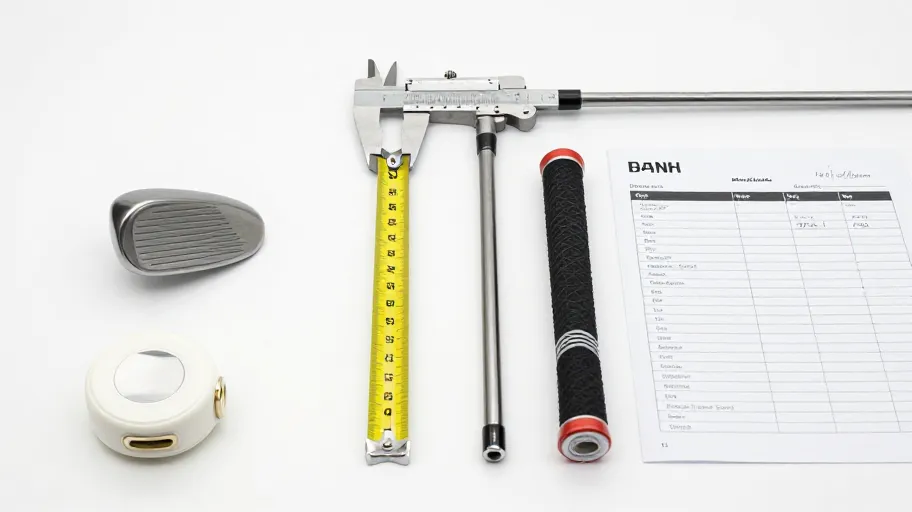
A five-step DIY installation means you achieve professional results in under an hour because the process is simple and repeatable. Start by removing the old grip with a utility knife, then clean the shaft thoroughly with mineral spirits—this ensures maximum adhesion. Apply one layer of double-sided tape to preserve swing weight and feedback sensitivity.
Using two-way installation solvent means the grip slides on smoothly while activating tape bonding for long-term durability. Align the logo precisely with your target line, then let it set. Compressed air can cut drying time by up to 40%, according to 2025 equipment trials. With the right vise, tape, and technique, you eliminate variability and never again compromise your swing on worn or poorly fitted grips.
Master Your Swing, DIY Your Fit. DIY Golf is the premier destination for the technical golfer. We empower you with professional-grade components and the knowledge to build your perfect bag.