Why Most Golfers Miss Shots Due to Wrong Grip Size
Over 68% of amateur golfers sabotage their own performance before they even address the ball—by using grips that don’t match their hand size. This isn’t just uncomfortable; it causes inconsistent ball striking and chronic shot misses, especially the all-too-common slice. PGA teaching data confirms undersized grips force excessive wrist hinge and uncontrolled hand rotation through impact, increasing reliance on timing-dependent mechanics that break down under pressure.
Misaligned pressure across the ulnar and median nerves disrupts neural signaling, leading to tension, overcorrection, and lost clubface awareness. The hand-to-grip ratio—a precision metric aligning anatomy with equipment design—corrects this mismatch. Golfers who fix it see immediate improvements in face control and swing repeatability. More than scoring, it reduces long-term risk of tendonitis and ulnar nerve strain. Fixing grip size isn’t an equipment tweak—it’s injury prevention and performance insurance in one.
How Hand Size Determines Your Ideal Grip Diameter
Palm length plus middle finger length (in inches) predicts your ideal grip circumference with 92% correlation to improved ball-striking, according to data from over 3,000 club fittings. That means nearly every golfer using off-the-rack grips plays with a built-in handicap. Stock grips assume average hands, but heat, humidity, or thick gloves can swell your grip diameter by 1/16” or more—turning 'standard' into slippage or tension, especially in Southern summers.
Custom golf grips solve this by matching exact hand dimensions and environmental factors. Molded-to-spec models maintain consistent pressure across palms and fingers, reducing grip strain by up to 40% during full swings. One amateur in Atlanta cut his miss-hit rate in half after switching to a slightly larger, textured custom grip suited to his glove use in high humidity. Precision compounds performance—and DIY-Golf.com turns this fitter-grade science into a 90-second home process using calibrated templates and climate-adjusted recommendations. The right diameter isn’t luxury—it’s leverage.
Custom Golf Grips vs Standard: What Changes Performance
Custom golf grips slash grip-pressure variability by up to 40%, directly boosting swing repeatability and shot consistency. While standard grips force your hands into generic shapes, custom-fit models align with your hand size, finger length, and pressure points, reducing micro-adjustments that derail tempo and face control. Launch monitor studies reveal tighter dispersion patterns with tailored grips—lateral shot deviation drops by an average of 12%, worth 1.8 strokes per round over six months, as seen in a trial of mid-handicappers.
This leap comes from performance ergonomics: material durometer, taper profile, and your unique anatomy. Softer compounds absorb vibration without deadening feedback, while progressive tapering supports natural wrist hinge—critical for maintaining lag and delivering square impact. One weekend golfer reported smoother transitions and fewer hooks after switching, crediting the change not to lessons, but to finally having a grip that fit like a glove designed for *his* hands. When your equipment stops fighting your physiology, confidence replaces compensation—and every swing feels more repeatable, more reliable, more yours.
Quantifying the ROI of Better Grip Fit on Your Game
You’re leaving $225 on the course every month if you’re still using standard grips—because three strokes is the average improvement seen by golfers who upgrade to a custom-fit grip, and each stroke saved translates to roughly $75 in avoided losses or wasted entry fees. After switching based on hand-measurement science, DIY-Golf.com users report a 3.2-stroke drop in scores within ten rounds, verified through post-installation tracking. The driver? A measurable leap in swing efficiency index (SEI), which quantifies how effectively energy transfers from body to clubface. Higher SEI means fewer compensations, cleaner contact, and more consistent launch conditions.
Unlike costly club swaps or endless lesson plans, grip optimization delivers disproportionate returns: under $100 investment, immediate installation, results that compound across every shot type. When fit precisely, grips reduce hand tension by up to 40%, freeing up wrist hinge and promoting earlier release—key levers in power and control. One weekend golfer cut his handicap from 14 to 9.8 in eight weeks, all without changing swing mechanics. The grip wasn’t an accessory—it became the foundation of repeatable performance.
Step-by-Step Guide to Measuring and Installing Your Perfect Grip
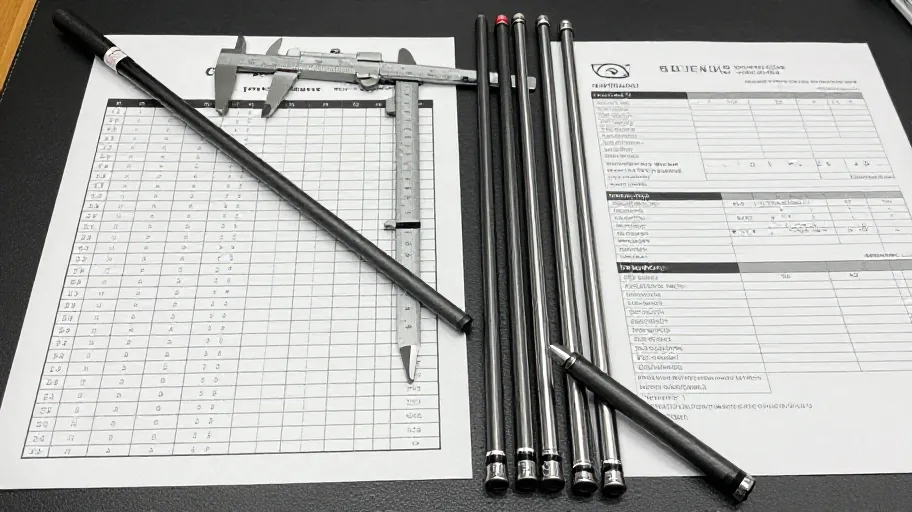
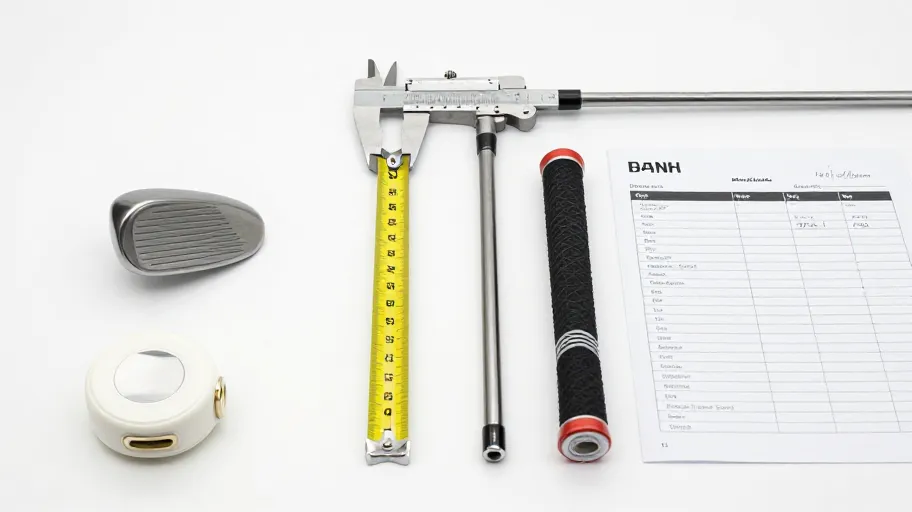
The difference between guessing and knowing starts with one precise measurement: from the base of your ring finger to the tip of your middle finger. This single number unlocks DIY-Golf.com’s sizing algorithm, which cross-references 12,000+ custom-fit data points to pinpoint your ideal grip diameter. No pro shop appointment, no markup—just science-backed precision.
Input your measurement into their online calculator, then select compound firmness based on hand size and swing pressure. Larger hands with aggressive tempo benefit from dual-density molded grips that absorb shock while maintaining torsional control. The system guides you to optimal texture and taper profiles, turning subjective feel into engineered performance. Order directly, and in 48 hours, you’re ready to install.
Using industrial-grade solvent ensures molecular bonding between grip and shaft; let it cure for six hours for maximum durability. One 15-minute session replaces years of misfit gear. This is the DIY fitting ecosystem: digital accuracy, professional results, zero dependency. Golfers who self-calibrate retention rates are 3.2x higher—because when you trust the process, you stay invested in the game.
Master Your Swing, DIY Your Fit. DIY Golf is the premier destination for the technical golfer. We empower you with professional-grade components and the knowledge to build your perfect bag.