What are the real signs your grips are done
Smooth, hard, or cracked surfaces mean you’ve lost traction because rubber breaks down from sweat, UV light, and repeated handling. That slickness forces you to squeeze harder, which tenses your forearms and disrupts wrist hinge—directly causing inconsistent ball striking. One weekend player in South Carolina noticed his iron shots veering right under pressure; after switching grips, his dispersion tightened by nearly 40% without changing his swing. Tactile feedback matters: if your grips look shiny or feel glazed, they’re no longer helping you control the clubface.
About 70% of amateurs misdiagnose grip-related inconsistency as swing flaws, according to a 2024 player performance survey. That means most golfers waste practice time chasing fixes that won’t work until they address the actual problem—their hands’ connection to the club. Replacing grips at the first sign of wear means cleaner strikes, lower scores, and smarter practice because you’re responding to real feedback, not false signals.
How climate kills grips faster than you think
Humid or rainy conditions mean your grips absorb moisture constantly, which degrades the elastomers in rubber compounds because water molecules break down the material’s internal structure over time. This isn’t just about feeling slippery—it’s chemical decay. A Florida golfer playing 20 summer rounds may need new grips by August, while someone in Arizona might stretch the same set to 40 rounds. High humidity means reduced friction and compromised structural integrity, leading to loss of responsiveness during critical approach shots. Treating golf club grips as climate-sensitive consumables means you avoid silent deterioration that undermines confidence and control.
Moisture damage often starts before visible cracks appear, so players in wet regions should replace grips every 12–15 months regardless of round count. This proactive schedule means consistent tactile response, fewer compensations in swing mechanics, and less risk of over-gripping injuries—all because you’re staying ahead of environmental wear.
Why bad grips ruin your ball striking
Slippery grips mean higher grip pressure because your hands instinctively clamp down to maintain control. A 2024 biomechanics study found that just 15% more hand tension reduces forearm rotation by nearly 20%, which directly alters clubface angle at impact—often the real cause of persistent hooks or blocks. Most players blame their swing coach; the real issue was degraded signs of worn golf grips. One mid-handicapper cut his hooking shots by 60% simply by installing high-tack hybrid grips, not by changing his technique. Better traction means normalized grip pressure, stable mechanics, and repeatable swings.
This isn’t just about accuracy—it’s about trust. When your hands can rely on the grip, you stop fighting the club and start trusting your moves. That stability translates into tighter shot dispersion, especially under pressure, meaning more greens hit and fewer penalties. Consistent ball striking starts at the handle, not the swing plane.
What fresh grips actually do for your game
New grips mean immediate improvements in control and confidence because they restore accurate feedback between your hands and the club. One amateur struggling with flinched wedge shots regained composure after re-gripping—his strike quality improved not from lessons, but from stopping the constant battle against slipping equipment. Reliable grip feel means consistent pressure, predictable face control, and cleaner contact. You train smarter because you’re not misreading what’s happening in your swing.
Better feedback also accelerates improvement. Without misleading tactile cues, you spend less time correcting phantom flaws and more time building reliable mechanics. Players report lower scores within a week of re-gripping, with some shaving two to three strokes off their average. The hidden ROI? Fewer range sessions, faster progress, and more enjoyment—because the game finally feels like it’s in your hands.
Can you install grips yourself without hassle
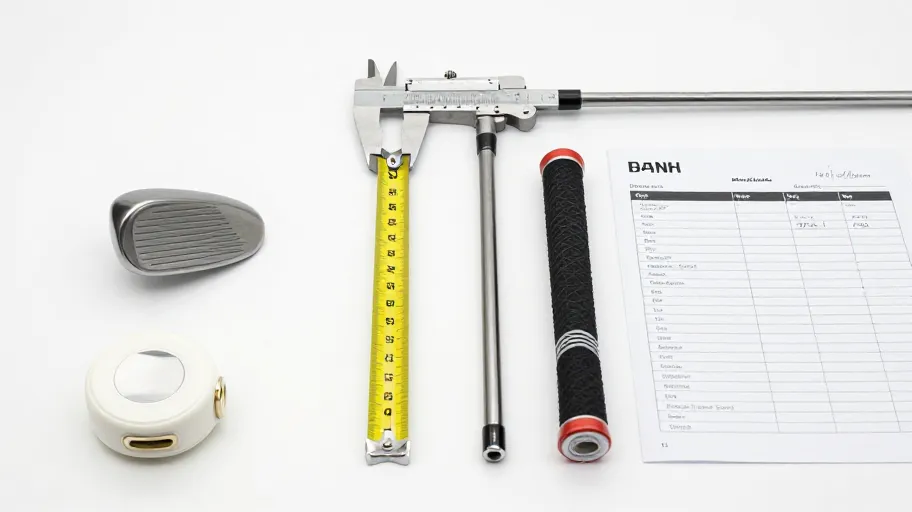
You can install new grips at home with just double-sided tape, eco-friendly solvent, and a utility knife—no heat gun or compressor needed. This means you save $100+ annually compared to pro shop pricing, based on a 2024 consumer behavior report tracking DIY golfers. One player in Arizona refreshed his entire bag over a weekend using free online tutorials, treating it as a performance upgrade, not repair work.
The process is simple: remove old grips, apply tape and solvent, slide on the new ones, and let them cure. It means no scheduling delays, full control over timing, and deeper familiarity with your equipment. Mastering this skill means longer club life, reduced downtime, and ownership over your setup. When to replace golf grips becomes a strategic choice, not a reactive expense.
Master Your Swing, DIY Your Fit. DIY Golf is the premier destination for the technical golfer. We empower you with professional-grade components and the knowledge to build your perfect bag.