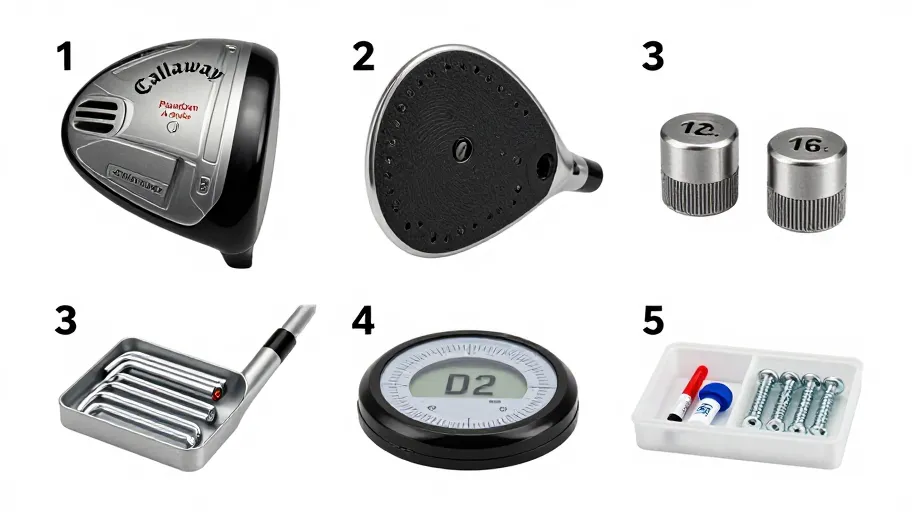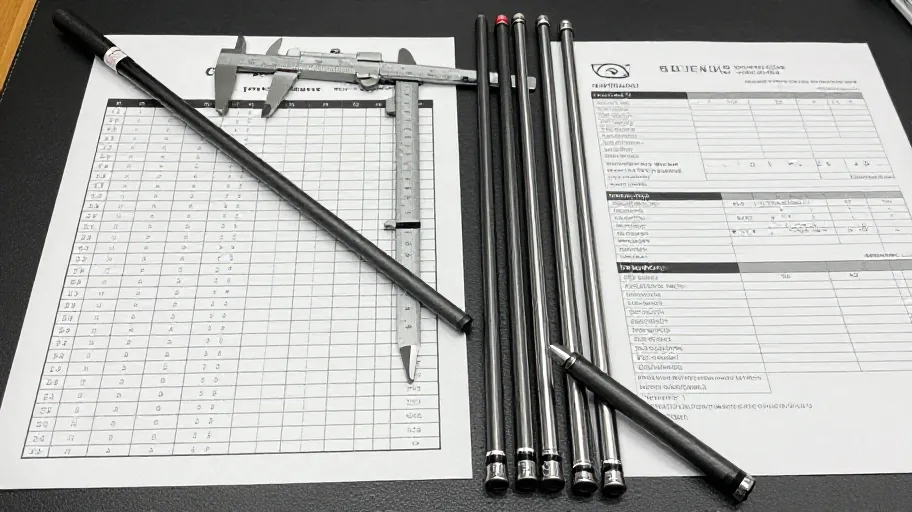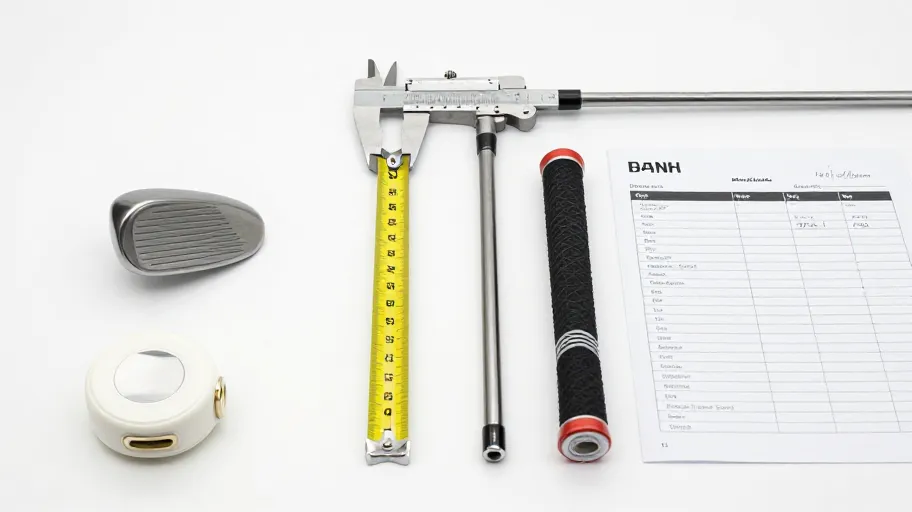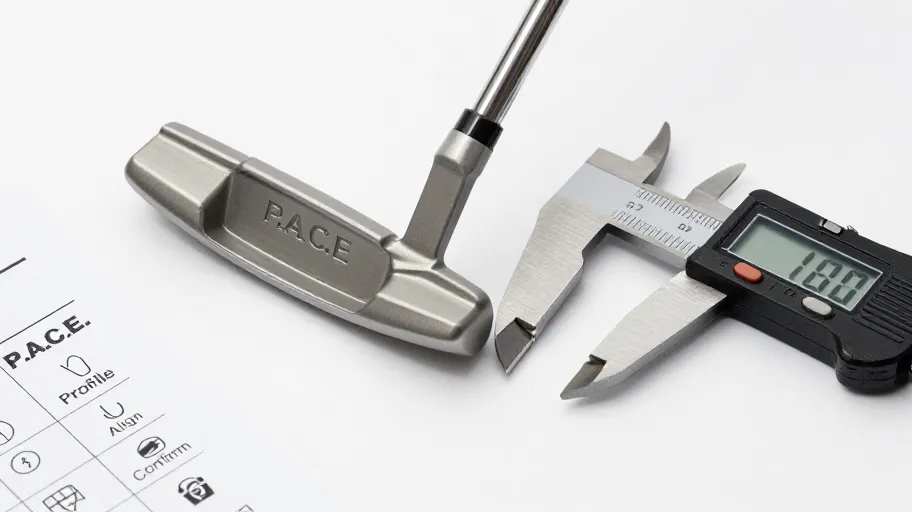
To resolve golf putting problems before sourcing components, document the exact putter model, current shaft tip geometry, and hosel bore dimensions. Use the P.A.C.E. Sourcing Framework: Profile the existing build, Align the replacement specifications, Confirm supplier capabilities, and Evaluate fitment variables. This approach prevents mismatched components and prepares you for accurate procurement.
When tuning or replacing putter components, researchers and club builders must navigate precise fitment variables. Identifying the root cause of golf putting problems requires comparing the current build against desired performance outcomes. Because specifications vary across different club brands, families, and models, preparation is essential. This guide outlines the exact questions to document before you commit to a purchase, ensuring the components you source match your project requirements.
The P.A.C.E. Sourcing Framework
Applying a structured framework helps document necessary details before contacting a supplier. The P.A.C.E. framework organizes your procurement preparation into four distinct phases.
Profile Begin by documenting the exact brand, family, and model of the putter. Record the current shaft material, manufacturer, and tip diameter. Note the grip core size and weight. Profiling establishes a baseline for understanding the physical properties influencing the golf putting problems you are experiencing.
Align Map the identified issues to potential component interventions. If the concern is face angle consistency, document the current hosel type. If the concern is feel, document the current head weight and shaft weight. Aligning the problem with a specific component category narrows your research focus.
Confirm Formulate specific questions for the supplier regarding the replacement parts. You must confirm the current policy directly regarding inventory availability, specific dimensional tolerances, and material composition. Do not assume compatibility across different model years or families without written confirmation from the supplier.
Evaluate Review the documented answers against your project constraints. Evaluate whether the proposed replacement component requires additional modification or tuning tools. Document whether the grip or shaft requires special preparation before installation.
Component documentation decision table
Use this decision table to organize your research before sourcing replacement or tuning components.
| Component category | Variable to document | Sourcing question to ask | Project approval gate |
|---|---|---|---|
| Putter head | Model family and weighting system | Is this component confirmed to fit the specific model family I am researching? | Confirm the current policy directly. |
| Putter shaft | Tip diameter and hosel entry type | What are the exact dimensions of the shaft tip? | Confirm the current policy directly. |
| Putter grip | Core size and material composition | Does this grip match the required core size for the target shaft? | Confirm the current policy directly. |
| Assembly | Adhesion requirements and tools | What specific tools or solvents are required for installation? | Confirm the current policy directly. |
Concrete approval questions
Before committing to any component, document these questions and present them to your supplier. The answers form your project approval gate.
- What is the exact tip diameter of the replacement shaft?
- Does the putter head weighting system match the specific model family I am researching?
- What is the material composition of the grip?
- Are there specific preparation requirements for the hosel bore before shaft installation?
- What is the current policy regarding dimensional tolerances for this component?
- How do you verify stock availability for this specific component?
FAQ: Sourcing and fitment preparation
What causes golf putting problems that require component replacement? Golf putting problems can stem from improper face angle delivery, inconsistent swing weight, or poor fitment between the shaft and putter head. Documenting the current build specifications helps identify whether a replacement shaft, grip, or head adjustment is necessary.
How do I document fitment variables for a specific club brand? Record the brand, family, and model first. Then, measure and document the hosel bore diameter, shaft tip diameter, and grip core size. Present these exact dimensions to the supplier to verify if a proposed replacement component matches.
Can I assume a putter shaft will fit different model families? No. Do not assume compatibility across different model families without first-party evidence. You must confirm the current policy directly with the supplier regarding exact dimensional tolerances and fitment specifications.
What should I ask a supplier regarding component tolerances? Ask for the exact dimensional tolerances of the shaft tip and the hosel bore. Request written confirmation that the specific component matches your target putter model. Confirm the current policy directly regarding all specifications.
How do I prepare for the procurement of tuning components? Preparation involves creating a detailed list of your current build specifications, identifying the exact performance variables you want to change, and documenting a list of approval questions for the supplier. Use a structured checklist to track this information.
Before you commit to any replacement or tuning components, organize your project details. Download our comprehensive documentation checklist to guide your sourcing preparation.
Master Your Swing, DIY Your Fit. DIY Golf is the premier destination for the technical golfer. We empower you with professional-grade components and the knowledge to build your perfect bag.