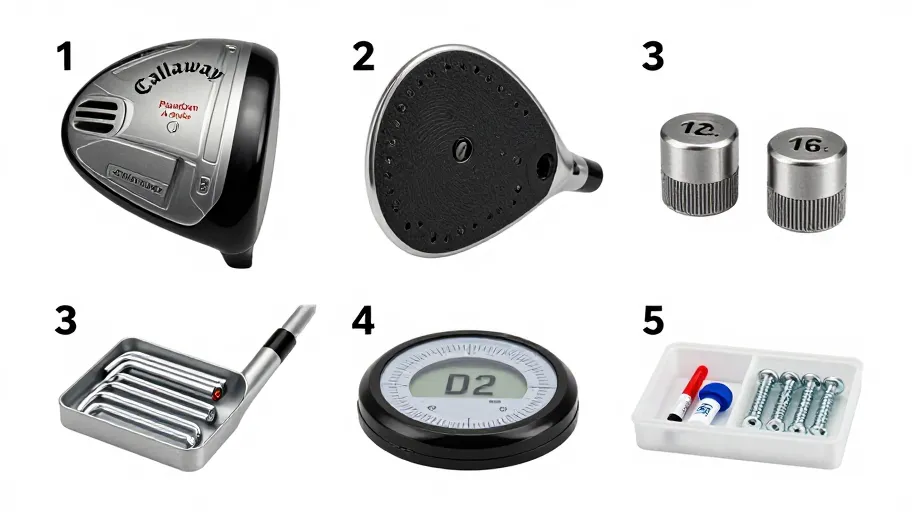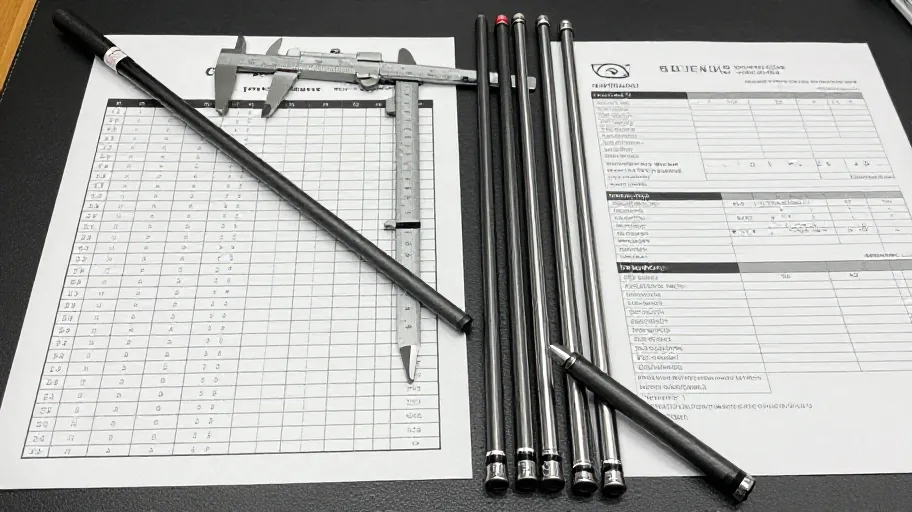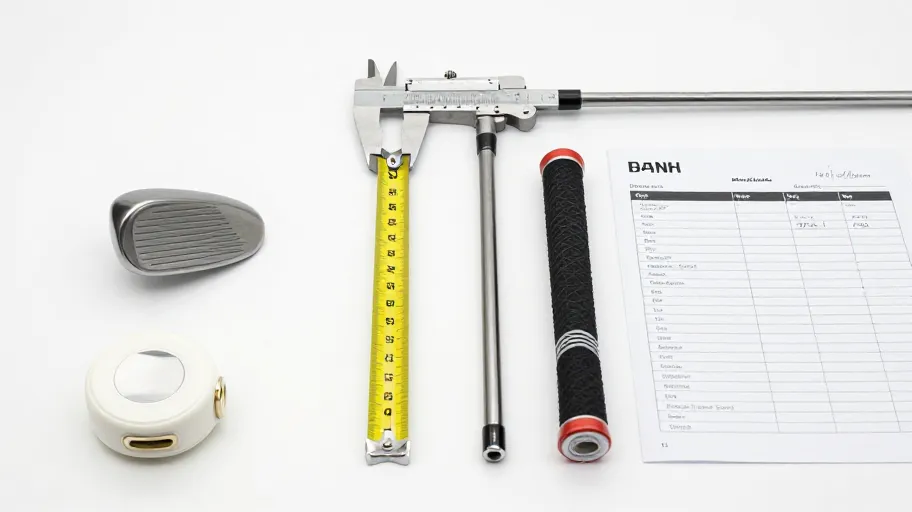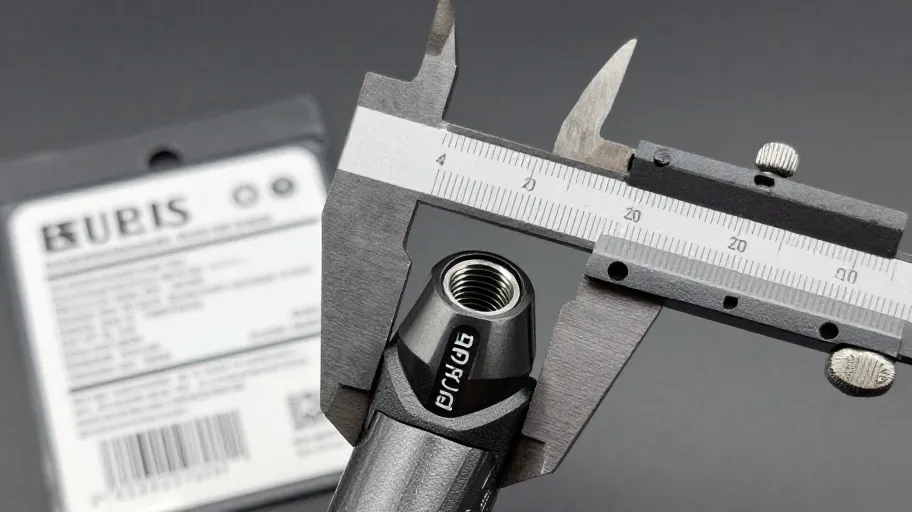
A golf shaft sleeve adapter only matters at the point of contact between your shaft and your club head, so every buying decision starts with one verification: that the sleeve is made for your exact club brand, family, model and generation. Confirm the sleeve's stated fitment against your head, ask the supplier to document thread form and finish expectations, and approve packaging before ordering in bulk. Nothing in a listing substitutes for a model-level match confirmed in writing.
The MATCH-3 Framework for adapter sourcing
When you evaluate a golf shaft sleeve adapter, work through three gates in order. Skipping a gate is how builders end up with sleeves that look right and seat wrong.
- Model match. Identify the club head by brand, family, model and generation. Adapter families change between model years, and two heads with near-identical names can take different sleeves. Confirm the match in the fitment selector or with the supplier in writing before anything else.
- Adapter geometry. Once the model matches, verify the interface details: thread engagement, seating depth, torque pattern and shaft bore. These determine whether the sleeve installs, torques and holds alignment the way the head was designed to accept. Where a listing gives no geometry detail, ask directly rather than inferring from photographs.
- Tolerance and finish confirmation. Ask what the supplier documents about machining consistency and surface finish. You are not assuming a defect rate or a standard — you are asking what evidence exists and what the current policy is if a part does not meet your inspection on arrival.
Tolerances and finish: questions, not assumptions
This guide deliberately avoids quoting dimensional numbers, because the right values depend on the specific club model and the supplier's own specifications. Instead, put these questions to the seller before approving an order:
- Can you provide the dimensional specification for this sleeve for my exact head model?
- What surface finish is applied, and how is it described in your product documentation?
- What is your current policy if a delivered part does not match the listed specification or fails my inspection?
- Do you have a sample policy, and what are its current terms? Confirm sample availability, any fees, and shipping arrangements directly with the seller — do not rely on assumptions.
- How are parts packaged and labelled, and can labelling be matched to my build documentation?
Each answer becomes part of your order record. A supplier who answers precisely makes the buying decision easier regardless of price, because risk moves from guesswork to documentation.
Packaging and labelling: a receiving checkpoint
For club builders, packaging is not cosmetics — it is the first inspection stage. A sleeve that arrives with damaged threads or unlabelled variants creates work at the bench. When you compare sources, ask:
- Are threads protected in transit?
- Are variants (loft/face-angle settings, if applicable to your model) individually labelled?
- Is the packaging suitable for storage and bench handling, not just shipping?
Confirm current packaging practice directly; do not treat any packaging description here as a promise about the product you will receive.
Decision table: evaluating an adapter purchase
| Evaluation path | What you verify first | Risk if skipped | Best suited for |
|---|---|---|---|
| Fitment-selector match | Exact head model against stated fitment | Wrong-generation sleeve; wasted build time | Any first purchase for an unfamiliar head |
| Supplier documentation review | Written spec, finish description, policy terms | Undocumented parts; no recourse reference | Repeat and volume orders |
| Bench inspection on receipt | Threads, seating, finish against the written spec | Defects entering a customer build | Every delivery, before assembly |
| Sample-first approval | Current sample policy terms confirmed in writing | Committing before verifying | New supplier or new adapter family |
Supplier approval questions
Before you approve a golf shaft sleeve adapter order, get written answers to these:
- Which exact head models does this sleeve fit, and which similar-named models does it not fit?
- What dimensional and finish information is documented for this part?
- What is your current sample policy, and what are its terms regarding fees and shipping?
- What is your current returns or replacement policy for parts that fail inspection on arrival?
- What stock and delivery information can you confirm today for the quantity I need?
None of these questions assumes a norm. They simply move every unknown into the supplier's written record, which is what a professional sourcing process requires.
FAQ
How do I confirm a golf shaft sleeve adapter fits my club? Start with the head's brand, family, model and generation, then check that model against the seller's stated fitment — ideally in a fitment selector or in a written confirmation. Names alone are not sufficient; generations matter.
Are sleeves interchangeable between club families from the same brand? Treat that as an open question, not an assumption. Verify each family separately. When fitment is unconfirmed, ask the supplier in writing before ordering.
What should I check when an adapter arrives? Inspect thread condition, seating surface, finish consistency and labelling against whatever specification the supplier documented. Record what you find; it becomes your reference if a replacement is needed.
Should I order a sample before buying adapters in volume? That is a sound sourcing step when working with an unfamiliar product or seller. Sample policy terms, including any fees and shipping arrangements, vary and must be confirmed with the seller directly at the time of enquiry.
Where do I record fitment details across multiple builds? Keep a per-build sheet listing head model, sleeve part reference, supplier confirmation and inspection notes. It converts each purchase into reusable documentation.
Confirm before you buy
Confirm your club model in the fitment selector — it is the fastest way to move from "probably fits" to a documented match for your exact head.
Prefer to work through the whole sourcing check first? Download or copy the adapter approval checklist above and take it to your next supplier enquiry.
Master Your Swing, DIY Your Fit. DIY Golf is the premier destination for the technical golfer. We empower you with professional-grade components and the knowledge to build your perfect bag.