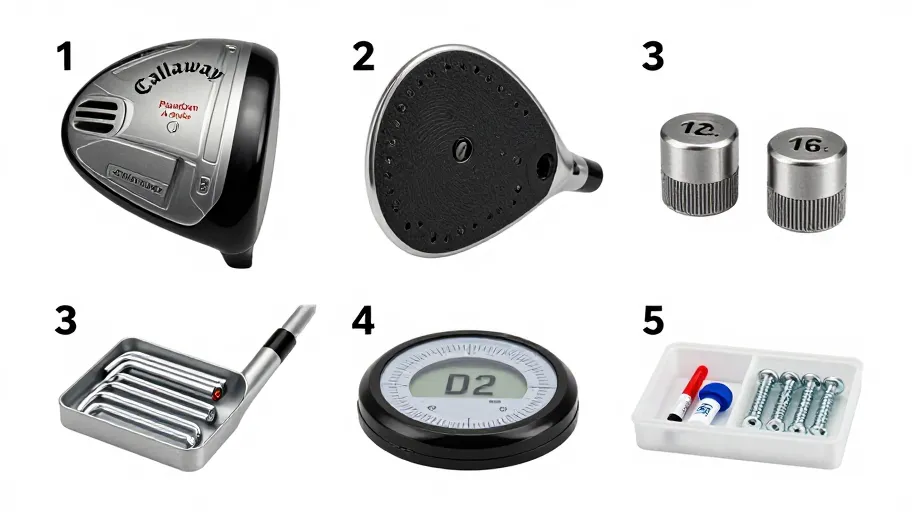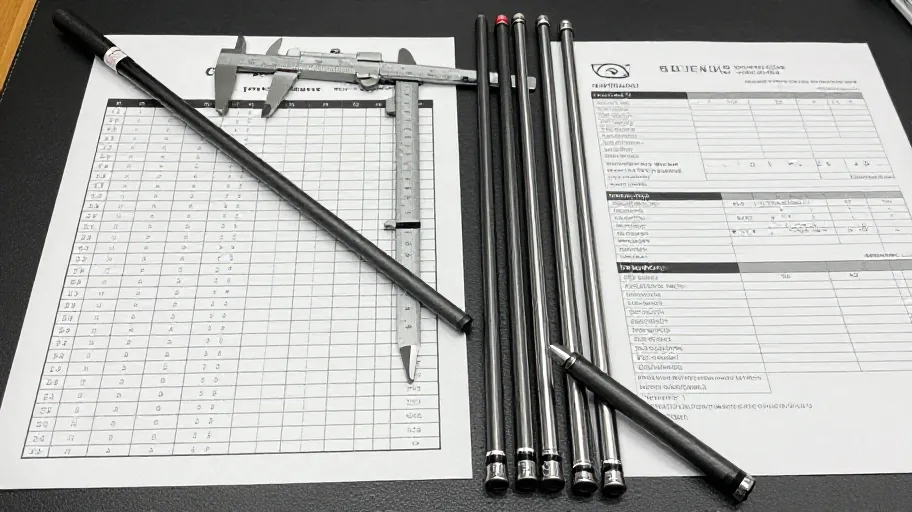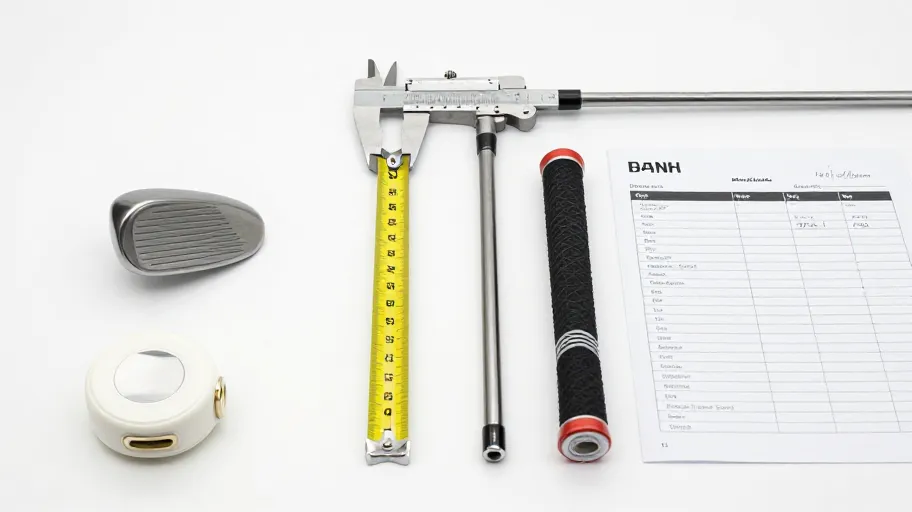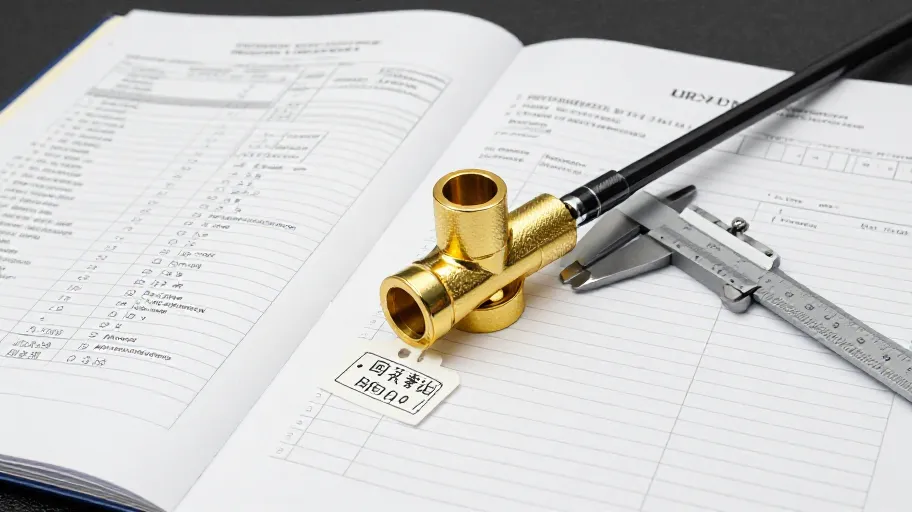
A golf shaft sleeve adapter hand-off succeeds when three things are locked together before production starts: the approved sample is physically retained and labelled, the specifications you verified are written into the order record, and a receiving audit compares the delivered run against that retained reference. The framework below — Golden Sample Hand-off — keeps fitment, marking alignment and torque behaviour anchored to what you actually approved, not to what was discussed.
Why the hand-off, not the sample, is where builds drift
Most attention goes to finding a compatible adapter and evaluating a sample. The riskiest stage is quieter: the moment between approval and delivery, when assumptions replace documentation. A sleeve that fit the sample hosel perfectly can disappoint in volume if the approved unit was returned, mixed into stock, or never described in writing with enough precision to compare against later.
Compatibility itself must be treated as a claim, not a given. Adapter families within one brand can share external appearance while differing in spline count, hosel diameter, taper and hosel depth geometry. Before any hand-off, confirm the exact club family, model and generation in the fitment selector — this is the single highest-value compatibility step, and it must be done against current first-party product data, not memory or forum posts.
The Golden Sample Hand-off framework
Approve. Evaluate the sample against defined criteria, not overall impression. The criteria should cover: fitment to the intended club model's hosel, engagement of the torque wrench interface, marking alignment when the sleeve is seated, and the setting range the markings describe. Record a yes/no for each — an approval you cannot itemise is an opinion, not an approval.
Anchor. Retain the approved sample as the golden reference. Label it with the date, the club model it was validated against, the order it relates to, and who approved it. Do not install it, gift it to a customer or return it to general stock. The golden sample's only job is to sit beside the delivery and be compared.
Assign. Convert what you approved into written order language. That means the specification you verified, the club family and model the adapter is confirmed to fit, the marking set, and the finish as observed on the sample. Where any attribute is unknown, frame it as a question for the supplier rather than an assumption — for example, whether every unit in the run is drawn from the same production batch as the sample. Confirm the current policy directly.
Audit. On receipt, compare a defined number of units from the run against the golden sample before any installation work begins. Use the comparison table below. If a discrepancy appears, quarantine the batch and document it while the evidence is fresh.
Decision table: what to compare before authorising and on receipt
| Check point | What to compare | Golden reference | Pass condition |
|---|---|---|---|
| Hosel fitment | Adapter seats fully in the target model's hosel | Approved sample in the same club head | Same seating depth and orientation; no rocking |
| Spline/interface engagement | Torque wrench seats and turns the sleeve predictably | Sample behaviour at approval | Identical engagement feel and rotational indexing |
| Marking alignment | Loft/lie/fade-draw markings read correctly when seated | Sample marking position | Markings align at the same indexed positions |
| Marking set | The settings printed match what you approved | Sample markings, photographed | Every mark present, legible, correctly ordered |
| Surface finish | Texture and appearance of sleeve body and threads | Retained sample | No visible deviation in finish or thread condition |
| Unit-to-unit consistency | Random units from the run vs the sample | Golden sample side by side | Each sampled unit matches the reference on all rows above |
| Order documentation | Written spec vs what physically arrives | Your approved specification sheet | Every documented attribute matches the delivery |
Concrete approval questions to ask before the run
- Is this adapter confirmed to fit the exact club family, model and generation I named — and against what current fitment data?
- Will the production run be drawn from the same batch and tooling as the sample I approved?
- Can I retain the approved sample as my reference unit for this order?
- If a delivered unit differs from the retained sample on fitment, markings or finish, what is the resolution path? Confirm the current policy directly.
- Which of the specification attributes I listed are guaranteed in the order record, and which are descriptions only?
- Are current units in stock for my model, or is this a production run? Confirm the current policy directly.
Treat any answer that arrives as a verbal assurance as unverified until it exists in writing attached to the order.
Receiving audit checklist
Run this against the retained golden sample before installing a single sleeve:
- Golden sample located, labelled, and matched to this order number
- Club family, model and generation re-confirmed in the fitment selector
- Random units from the delivery compared for hosel seating
- Wrench interface engagement checked against the sample
- Marking alignment and marking set compared mark by mark
- Finish and thread condition compared under the same lighting
- Any discrepancy photographed, dated and quarantined
- Written record filed with the order documentation
Frequently asked questions
Can I assume an adapter that fits one model fits the whole brand family? No. Compatibility is model-specific. Families share looks more than geometry. Verify the exact model and generation in the fitment selector before approving anything.
What if I already installed the sample I approved? Then you no longer hold a clean reference. Photographs and written notes from the approval stage become your substitute reference — weaker, but still better than memory. For future runs, keep the golden sample uninstalled.
How many units from a delivery should I audit? That is a judgement call based on your order size and risk tolerance. Decide the number before delivery and write it into your process so it stays consistent across orders rather than decided ad hoc.
Do I need this process for a single replacement adapter? A lighter version: confirm the model in the fitment selector, check the delivered unit against the product listing and any reference you hold, and document the result. The discipline scales down; the principle does not.
Who owns the hand-off record? Whoever approved the sample. Keep the specification, approval answers and audit results in one file tied to the order so any future reordering starts from evidence rather than recollection.
Next step: confirm compatibility before anything else
Before any approval or hand-off, anchor the whole process to a verified model match.
Confirm your club model in the fitment selector.
And to make your next delivery audit painless, copy the receiving audit checklist above into your build file and use it every time an adapter order arrives.
Master Your Swing, DIY Your Fit. DIY Golf is the premier destination for the technical golfer. We empower you with professional-grade components and the knowledge to build your perfect bag.