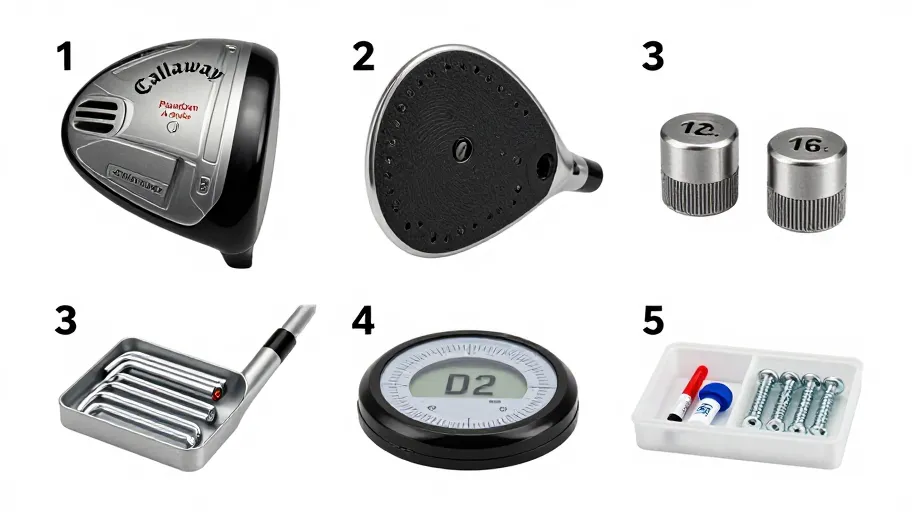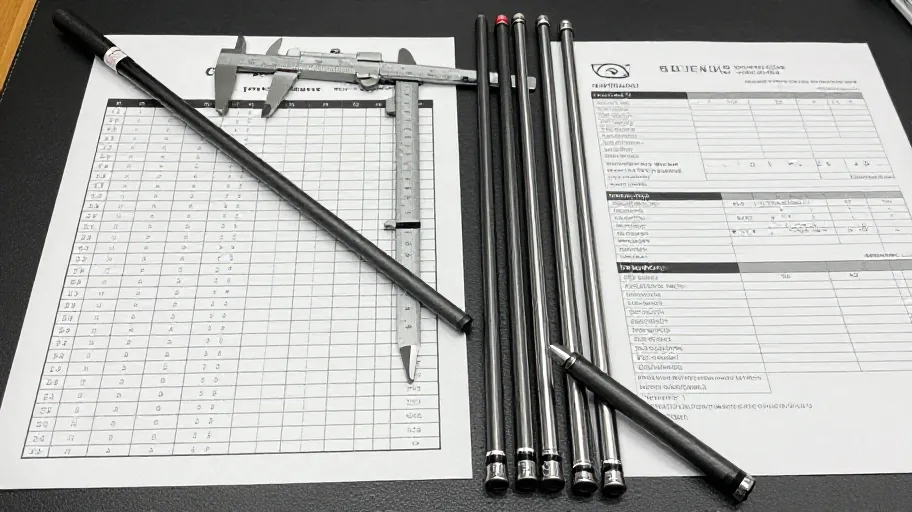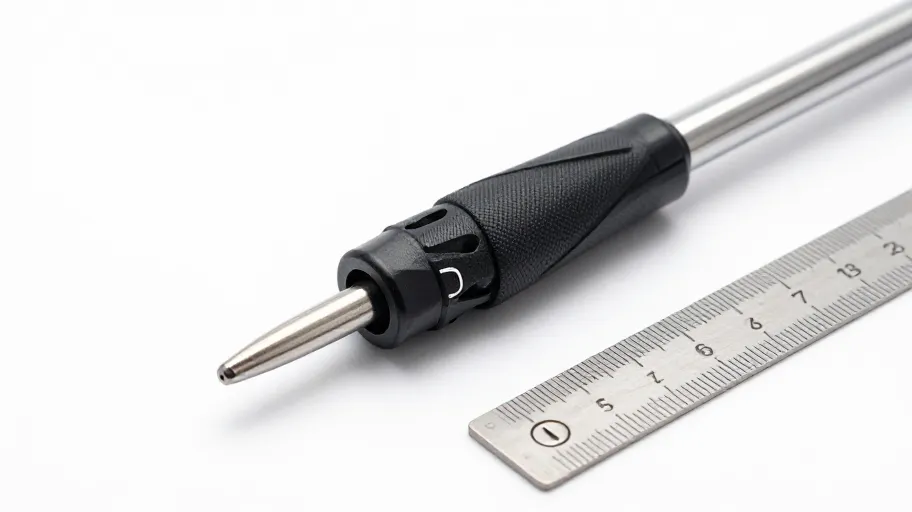
A golf shaft sleeve adapter is the small component that connects a shaft to an adjustable club head, translating the head's loft and lie settings into a repeatable shaft position. Confirming compatibility means verifying four things before you source: the exact club brand, family and model; the head generation, because families change internal geometry between releases; the shaft tip diameter and insertion depth; and the adapter's setting range versus the settings you intend to use. Everything else — price, availability, shipping, sample policy — is a separate conversation with the supplier.
The Sleeve-Adapter Sourcing Funnel: Identify → Match → Specify → Confirm → Approve
When you are sourcing a replacement or upgrade sleeve, the fastest way to avoid a wrong-order cycle is to move through five stages in order, documenting each one:
- Identify the head. Record the brand, family, model name and, where visible, the generation or year marking on the sole. Two heads with the same family name can accept different sleeves.
- Match the adapter family. Determine which sleeve series the head is designed around. Do not assume cross-compatibility between families or generations; treat every transition as a new verification task.
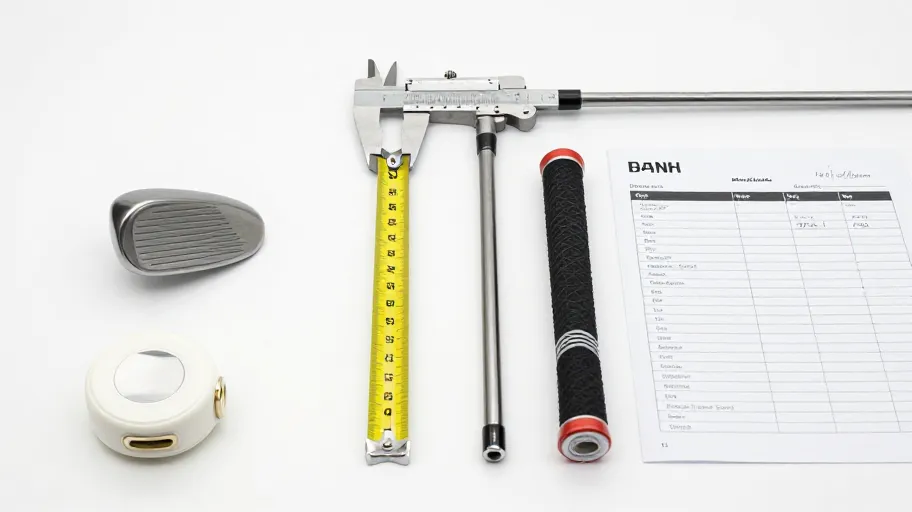
- Specify the shaft interface. Note your shaft's tip diameter, whether the shaft is taper or parallel at the tip, and the insertion depth the sleeve expects. If you are unsure, measure the current setup before removing anything.
- Confirm with the supplier. Put your documented requirements in front of the supplier and ask them to verify the match against the exact model — not just the brand.
- Approve in writing. Keep a short record of what was confirmed, by whom, and for which model, so any discrepancy can be traced back to a documented exchange.
The funnel's purpose is not paperwork for its own sake. It converts a vague request ("I need a sleeve for my driver") into a precise, checkable requirement ("I need a sleeve confirmed for [brand] [family] [model], [generation], for a shaft with [tip diameter] and [insertion depth]").
Requirements-to-RFQ decision table
| What you know | What to record | RFQ question it answers | Risk if skipped |
|---|---|---|---|
| Club head brand and family | Exact wording from the sole or hosel | "Is this sleeve confirmed for this family?" | Sleeve seats but setting geometry is wrong |
| Model and generation | Model name plus year or version marking | "Which generations of this model does this sleeve fit?" | Same family name, different internal geometry |
| Shaft tip diameter | Measured or manufacturer-stated tip spec | "Does the sleeve bore accept this tip diameter?" | Shaft will not seat or bond correctly |
| Insertion depth / tip trim | Current trim length or sleeve bore depth requirement | "What insertion depth does the sleeve expect?" | Loft/lie readings shift after assembly |
| Intended settings | Loft and lie positions you plan to use | "Does the sleeve's range cover these settings?" | Desired setting unavailable after install |
| Old adapter condition | Whether original sleeve is reusable, damaged or epoxied in | "Do I need a full replacement or just a sleeve change?" | Ordering the wrong scope of work |
| Installation method | Torque requirement and tooling for the adapter | "What torque and tools are specified for install?" | Damaged sleeve or head on reassembly |
Copy this table into your RFQ. A supplier who receives all seven rows can answer precisely; a supplier who receives only the first row has to guess, and you inherit the risk of that guess.
Approval questions to put in writing
Before approving any order, send these questions and keep the replies:
- "Please confirm in writing that this golf shaft sleeve adapter is compatible with [brand], [family], [model], [generation] — not just the brand overall."
- "What is the current sample policy, and what does it cover? I understand I must confirm current terms directly with you."
- "What are the current pricing, availability and shipping terms for the quantity I need?"
- "What shaft tip diameter and insertion depth does this sleeve accept, and are there trim requirements I should follow?"
- "What installation torque and tooling are specified, and are those specifications supplied with the part?"
- "If the sleeve does not fit the documented model after confirmation, what is your current resolution process?"
None of these questions presuppose any policy. They simply move every unknown — terms, fitment, installation, remedy — from assumption into a written answer you can hold both sides to.
Fitment confirmation checklist
Before you commit to a sourcing decision, confirm every line:
- Club brand, family, model and generation recorded exactly as marked on the head
- Adapter family identified and matched to that generation
- Shaft tip diameter and insertion depth documented
- Intended loft/lie settings listed and checked against the sleeve's range
- Current sleeve condition assessed (reusable, damaged, or bonded in)
- Written compatibility confirmation received for the exact model
- Sample, price, availability and shipping terms confirmed directly with the supplier
- Installation torque and tooling requirements obtained
- Resolution process for a mismatch documented
- All confirmations saved in one place before approving the order
FAQ
How do I know which golf shaft sleeve adapter my club head needs? Start with the exact model name and generation marked on the head, then verify the adapter family against that specific model — not the brand. Families change internal geometry between releases, so a sleeve that fits one generation may not fit another. Use a fitment selector keyed to model, and confirm the result with the supplier before ordering.
Can I reuse my original sleeve when reshafting? Sometimes, if the sleeve is undamaged and releases cleanly from the old shaft. Inspect it for cracks, stripped threads, deformation at the crotch and residue that affects re-bonding. If any of these are present, or if the sleeve was heat-distorted during removal, plan for a replacement and confirm compatibility for your exact model.
What shaft specifications matter for adapter compatibility? Tip diameter is the first gate — a sleeve bored for one tip size will not accept another. Insertion depth and any tip-trim requirement follow, because they affect how the shaft seats and how the settings read after assembly. Document all three before you source.
Should I confirm fitment with the supplier even if a listing looks like a match? Yes. A listing photograph cannot show bore dimensions, generation differences or setting geometry. A short written confirmation tied to your exact model converts a plausible match into a documented one, and gives you a reference point if anything is off when the part arrives.
What should an RFQ for a shaft sleeve adapter include? Brand, family, model and generation; shaft tip diameter and insertion depth; intended settings; quantity; and your questions on current sample, price, availability, shipping and installation terms. The decision table above gives you a ready-made template.
Next step
Confirm your club model in the fitment selector before you draft the RFQ. Model-level identification is the one input everything else in the funnel depends on.
If you are not ready to source yet, download or copy the ten-point fitment confirmation checklist above and work through it at your bench. A completed checklist is a complete RFQ.
Master Your Swing, DIY Your Fit. DIY Golf is the premier destination for the technical golfer. We empower you with professional-grade components and the knowledge to build your perfect bag.