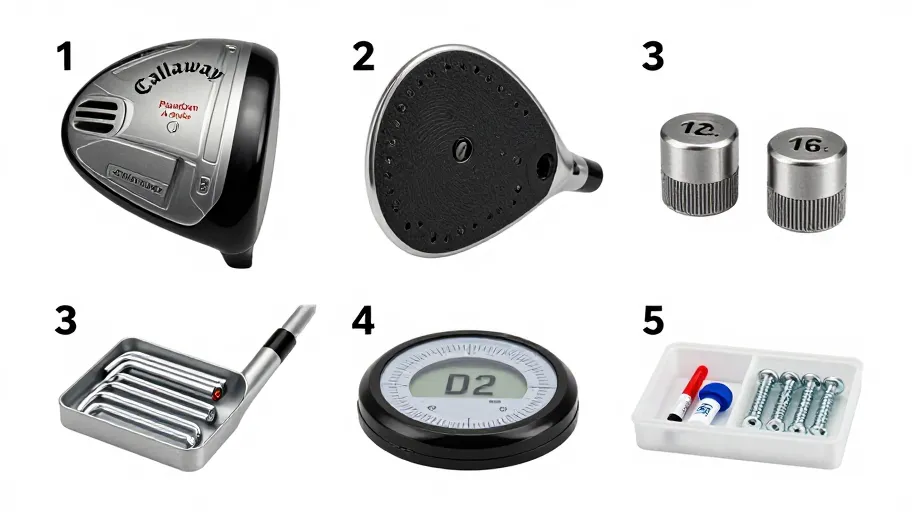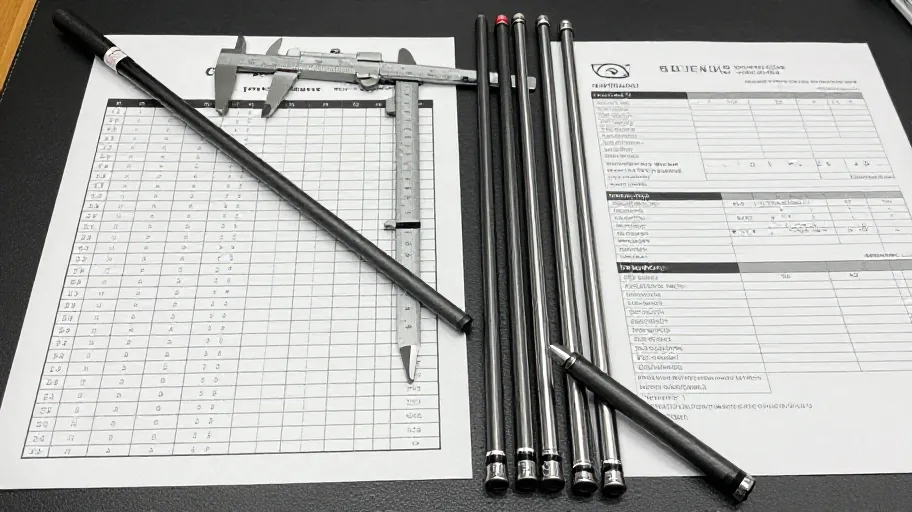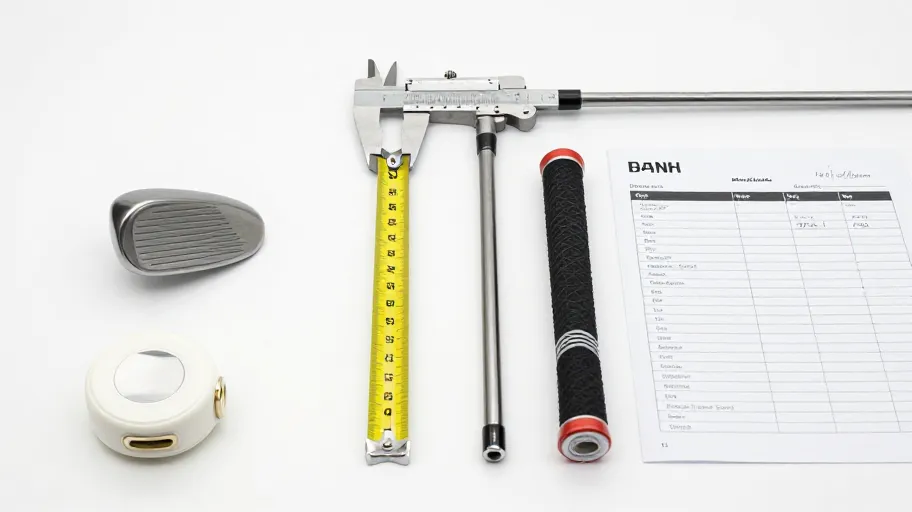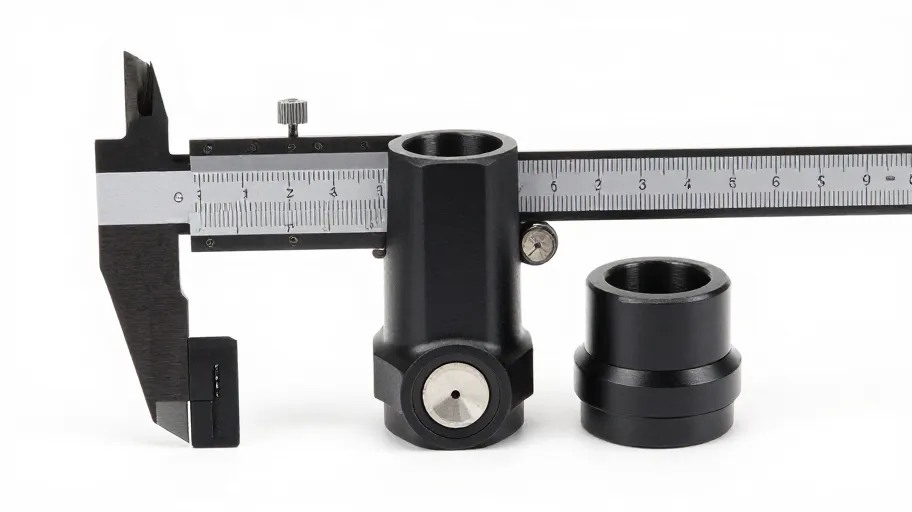
When sourcing a golf shaft sleeve adapter, the measurements buyers miss in the first brief are the hosel bore depth, the sleeve collar altitude, the shaft tip diameter, and the rotational clocking flat. Verifying these four dimensions before purchasing prevents seating failures and ensures the adapter mates seamlessly with both the clubhead and the replacement shaft.
Replacing a shaft adapter requires precision. A golf shaft sleeve adapter acts as the critical interface between the shaft and the clubhead. If the dimensions are unverified, the component will not seat properly, altering the playing characteristics of the club. To navigate this, use the Sleeve-Link Verification Framework. This framework forces a builder to document the clubhead interface, the shaft interface, and the rotational geometry before finalizing any component selection.
The Sleeve-Link Verification Framework
Applying this framework involves mapping the physical characteristics of your specific club against the available adapter specifications. Because manufacturers alter hosel designs across different model years and families, relying on visual similarities leads to fitment errors.
Review the decision table below to align your club specifications with the required verification steps.
| Club characteristic | Verification step | Project-specific question to document |
|---|---|---|
| Clubhead hosel bore | Measure the internal depth and diameter of the hosel. | Does the target adapter length match the measured hosel bore depth? |
| Adapter collar | Measure the altitude and outer diameter of the collar. | Will the adapter collar sit flush with the top of the hosel without binding? |
| Shaft tip | Measure the outer diameter of the shaft tip. | Does the adapter's internal bore diameter match the shaft tip diameter? |
| Rotational geometry | Identify the flat or rib location on the adapter. | Does the adapter clocking position allow for the desired loft and lie settings? |
| Ferrule mating | Measure the inner diameter of the ferrule. | Does the ferrule sit flush over the adapter collar without gaps? |
Overlooked measurement: Hosel bore depth
The hosel bore depth dictates how far the shaft and adapter seat into the clubhead. Builders document the depth using a depth gauge, but failing to account for the adapter's internal step or blind-bore bottom results in a shaft that sits too high or too low. When the adapter bottoms out prematurely, the epoxy bond area reduces, compromising the structural integrity of the joint.
To document this accurately, measure the depth of the hosel from the rim to the absolute base. Compare this figure to the overall length of the golf shaft sleeve adapter. If the adapter features a blind internal bore for the shaft tip, measure the depth of that internal cavity to ensure the shaft tip does not bottom out before the collar seats flush.
Overlooked measurement: Sleeve collar altitude
The sleeve collar is the flange that rests against the top of the hosel. The altitude of this collar determines the vertical positioning of the shaft. If the collar altitude is shorter than the original equipment, a gap appears between the ferrule and the hosel. If the collar altitude is taller, the adapter prevents the shaft from seating fully into the clubhead.
Measure the altitude from the base of the adapter to the top of the collar. Cross-reference this measurement with your existing ferrule. The inner diameter of the ferrule must slide over the collar without resistance, and the base of the ferrule must rest flush against the hosel rim.
Overlooked measurement: Shaft tip diameter
While standard tip diameters exist, assuming a shaft's tip gauge without measuring it invites failure. A golf shaft sleeve adapter must match the shaft's outer tip diameter exactly. If the adapter bore is too narrow, the shaft will not insert fully. If the bore is too wide, the epoxy layer thickens, which weakens the bond.
Use a caliper to measure the tip diameter of the new shaft at the exact point where the adapter will terminate. Document this measurement and confirm it matches the internal bore diameter of the replacement adapter.
Overlooked measurement: Rotational clocking
A golf shaft sleeve adapter features a flat, rib, or keyway that dictates the orientation of the shaft within the hosel. This clocking position controls the loft and lie adjustments. Installing an adapter without verifying the clocking geometry against the clubhead's adjustment mechanism results in incorrect face angles at impact.
Document the location of the rotational key on the adapter. Compare this to the adjustment track inside the clubhead hosel. Ensure the key slides smoothly into the track without lateral play. Mark the desired clocking position with a silver pen before applying epoxy to prevent rotation during assembly.
Concrete approval questions
Before sourcing an adapter, compile a brief containing the following questions to verify with the supplier or component database:
- What is the exact overall length of the golf shaft sleeve adapter?
- What is the specific internal bore diameter of the adapter?
- Does the adapter feature a blind bore or a through bore for the shaft tip?
- What is the altitude and outer diameter of the adapter collar?
- What is the exact location and dimension of the rotational flat or rib?
- What material composition is used for this specific adapter?
Sourcing documentation checklist
Use this checklist to verify your component selection:
- Hosel bore depth measured and documented.
- Hosel internal diameter measured and documented.
- Adapter overall length verified against hosel bore depth.
- Adapter collar altitude measured against existing ferrule.
- Shaft tip diameter measured at the insertion point.
- Adapter internal bore diameter verified against shaft tip.
- Rotational clocking flat or rib identified and documented.
- Adjustment mechanism compatibility verified.
Frequently asked questions
How do I verify the clocking position of a golf shaft sleeve adapter? Identify the flat or rib on the outside of the adapter. Compare this physical key to the adjustment track inside the specific clubhead hosel. Document the degree of rotation required to achieve the desired loft and lie settings before applying epoxy.
What happens if the adapter collar altitude is incorrect? If the collar altitude exceeds the original specification, the shaft will not seat fully into the clubhead, weakening the bond. If the altitude is insufficient, a visual gap emerges between the ferrule and the hosel, requiring a replacement ferrule to correct the aesthetics.
Does shaft tip diameter affect the epoxy bond? Yes. The adapter bore must match the shaft tip diameter precisely. If the gap is too large, the epoxy layer becomes too thick, which reduces the overall strength of the bond. Always measure the shaft tip and verify it against the adapter's internal bore.
Can I reuse a ferrule with a new golf shaft sleeve adapter? Only if the inner diameter of the existing ferrule matches the outer diameter of the new adapter collar. Measure both components. If the ferrule does not slide over the collar smoothly, you must source a compatible ferrule.
How do I confirm the material of a replacement adapter? You must confirm the material composition directly with the component supplier. Do not assume the material based on visual appearance or finish. Document the material specification in your project brief before finalizing your selection.
Confirm your club model in the fitment selector.
Before requesting a quote or finalizing an order, complete the sourcing documentation checklist above to verify all measurements and ensure a precise component match.
Master Your Swing, DIY Your Fit. DIY Golf is the premier destination for the technical golfer. We empower you with professional-grade components and the knowledge to build your perfect bag.