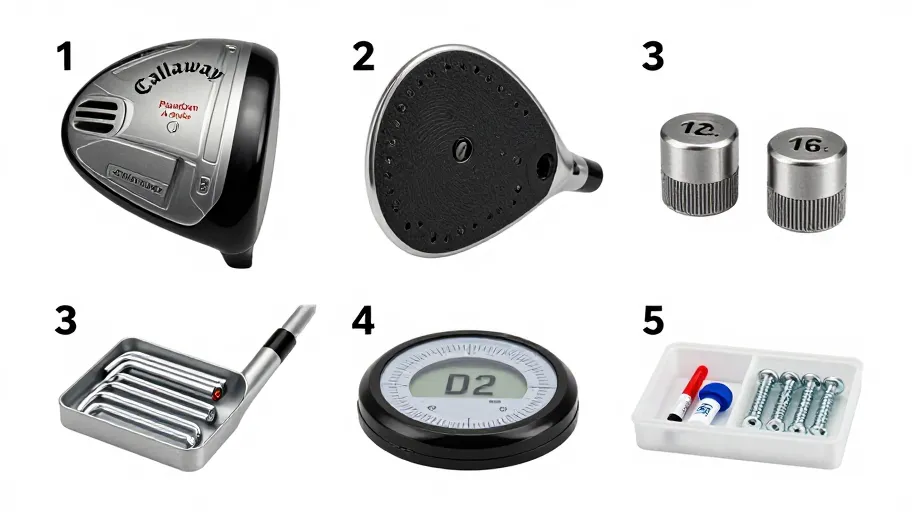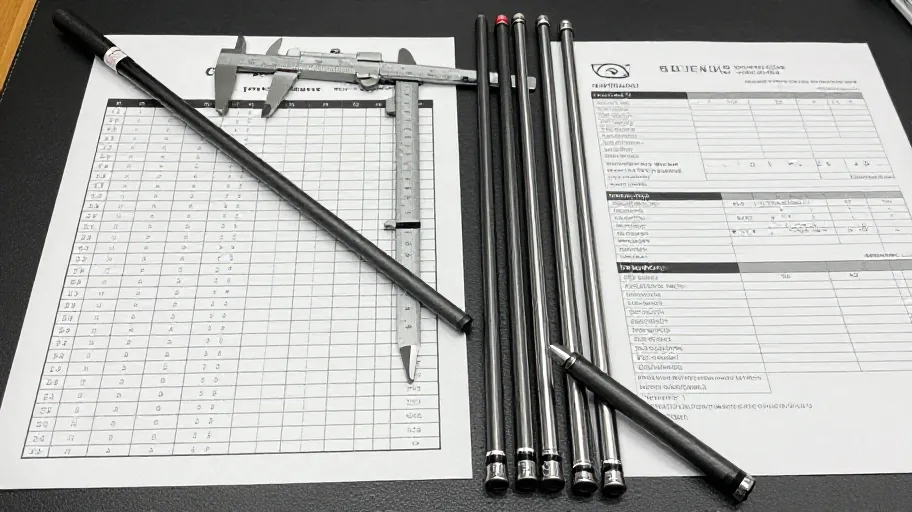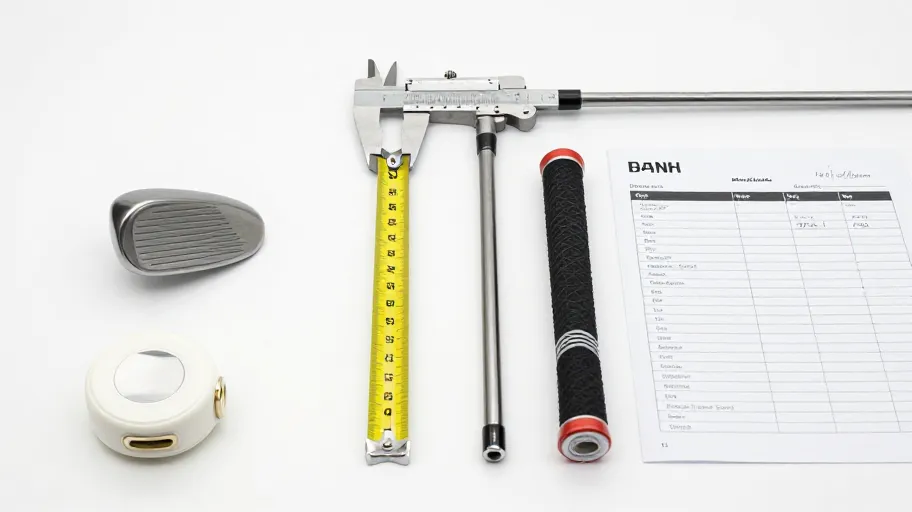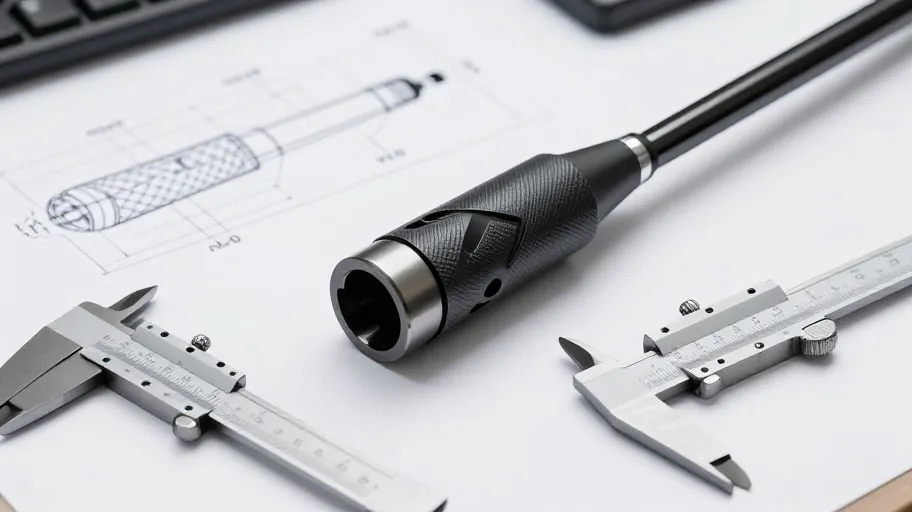
Before approving bulk production of any golf shaft sleeve adapter, confirm three things in writing: the exact club model and generation the adapter must match, the geometry and orientation details of the original sleeve, and the inspection plan that will verify consistency across the whole run. A single prototype that fits proves nothing about the batch.
That is the uncomfortable part of adapter sourcing, and it deserves a structured response rather than optimism. This article walks through the Fit–First Approval Sequence, a four-stage decision framework designed for golfers and club builders who are specifying a replacement or tuning adapter and want to reach a documented approval decision instead of a hopeful one.
Stage 1: Identify the club model precisely
Adapter compatibility is model-specific. Two drivers from the same brand family, released a generation apart, can use sleeves that look nearly identical yet are not interchangeable. Before you discuss anything else with a supplier, record:
- The brand, family, model name and model year or generation of the club.
- The adjustable setting range the original sleeve supports.
- Any markings, engraving or code printed on the original adapter.
- The loft/face-angle behaviour you expect the replacement to reproduce.
If any of these are uncertain, resolve them first. The fitment selector on this site exists precisely for this step: confirm your club model in the fitment selector before moving to technical questions.
Stage 2: Confirm geometry and orientation
A golf shaft sleeve adapter is a precision interface between shaft and hosel. Even where a supplier states a model match, you still need to compare geometry against your original part. Ask for a dimensional drawing or measured sample comparison covering the features that matter to you, and request the actual figures rather than accepting a verbal assurance. Do not rely on published nominal descriptions alone; generations vary, and aftermarket variants can deviate from the geometry of the part you are replacing.
Where you need a specific dimensional figure, ask the supplier to state it in writing for the exact batch you are approving. Any figure not supplied in writing should be treated as unconfirmed.
Stage 3: Define run consistency expectations
The gap between "one sample fits" and "the batch fits" is where most sourcing disappointment lives. You cannot assume consistency; you can only ask how it will be demonstrated. Questions to put to the supplier before approval:
- How will the production run be verified against the approved prototype or drawing?
- What inspection documentation accompanies the batch?
- What happens if parts in the batch deviate from the approved reference?
- Which reference part or drawing governs if there is a dispute about conformity?
For questions about samples, fees, timelines, minimum quantities or corrective policies, confirm the current policy directly with the supplier. Do not build your approval around assumptions about policy you have not had confirmed in writing.
Stage 4: Close the documentation gate
Approval should be an act of documentation, not a feeling. Before you sign off, you should hold a written record of the model specification, the geometry reference, the inspection plan and the agreed acceptance criteria. If any of those four elements is missing, the approval is premature.
Decision table: approve, hold, or re-specify
| Situation | What it means | Recommended action |
|---|---|---|
| Model, generation and geometry all confirmed in writing against your original part | Specification is anchored | Proceed to run-consistency questions |
| Model confirmed, geometry stated verbally only | Geometry is unverified | Request written dimensional data before approving |
| Geometry confirmed, model generation uncertain | Wrong-generation risk | Stop; re-identify the model via the fitment selector |
| No inspection plan for batch consistency | Single-sample evidence only | Hold approval until a verification method is documented |
| Supplier cannot state a governing reference part or drawing | Dispute resolution is undefined | Re-specify or escalate before any commitment |
Approval question checklist
Use this checklist verbatim in your supplier correspondence:
- Confirm the exact club brand, family, model and generation this adapter is specified to match.
- Provide written dimensional information for the adapter against the features you care about.
- Identify the reference part or drawing that governs conformity.
- Describe how batch consistency will be verified and documented.
- State the acceptance criteria you will apply when receiving the batch.
- Confirm the current policy directly for samples, fees, timelines and corrections — in writing, for this project.
FAQ
How do I know which golf shaft sleeve adapter fits my club? Start with the club's brand, family, model and generation, then compare against a fitment reference for that exact model. Because generations within a family can differ, verify rather than assume. Use the fitment selector to confirm your club model.
Is a model-name match enough to approve production? No. A model-name match is the entry condition, not the finish line. You also want written geometry information and a documented plan for verifying that the whole run matches the approved reference.
What should I ask the supplier about batch consistency? Ask how the run will be inspected against the approved prototype or drawing, what documentation you will receive, and which reference governs if parts deviate. These are project-specific questions; do not accept generalised assurances in place of answers.
Can a single prototype approval cover the full batch? A fitting prototype only evidences that prototype. Batch approval requires a stated verification method and acceptance criteria that apply to every unit. Confirm the current policy directly with your supplier on how deviations are handled.
What records should I keep after approving? Keep the model specification, the geometry reference, the inspection plan and the acceptance criteria together in one file. That package is what makes a later dispute — or a reorder — straightforward to resolve.
Confirm your club model in the fitment selector before taking any adapter question further. If you are not ready for that, run through the approval question checklist above and note which answers are still missing — that gap list is your real next step.
Master Your Swing, DIY Your Fit. DIY Golf is the premier destination for the technical golfer. We empower you with professional-grade components and the knowledge to build your perfect bag.