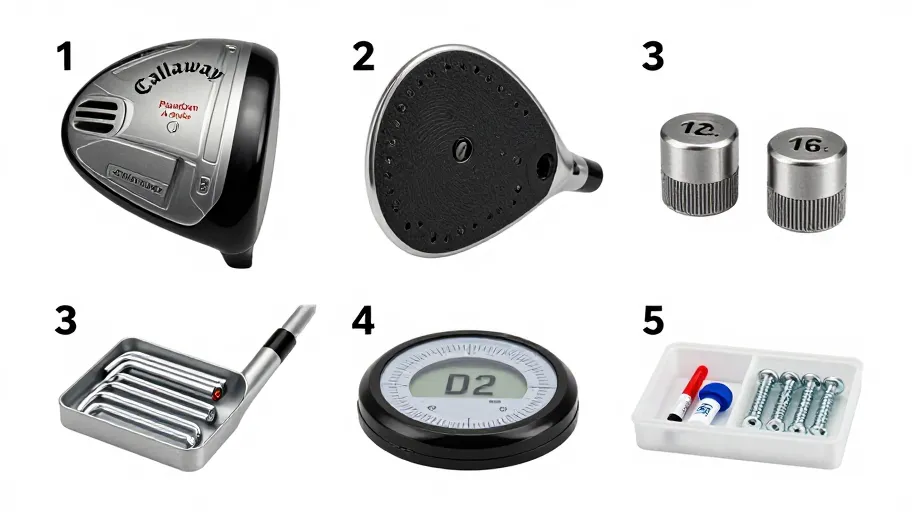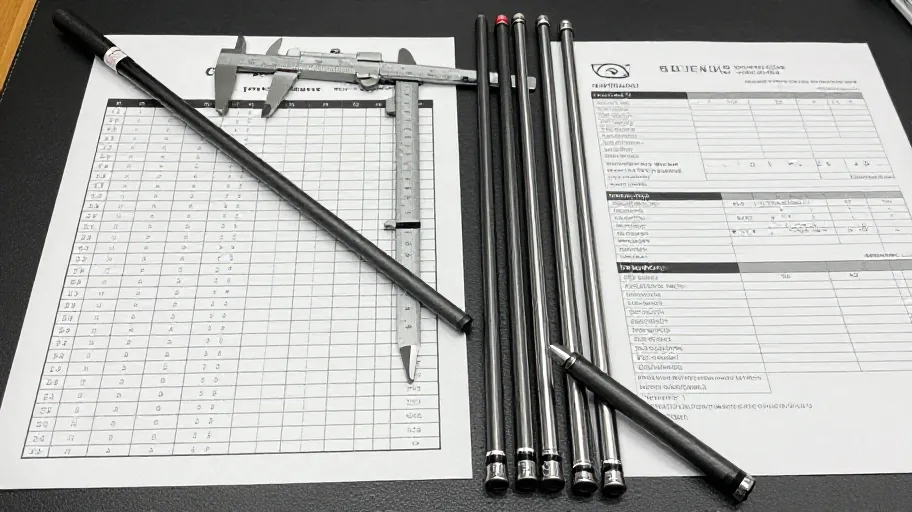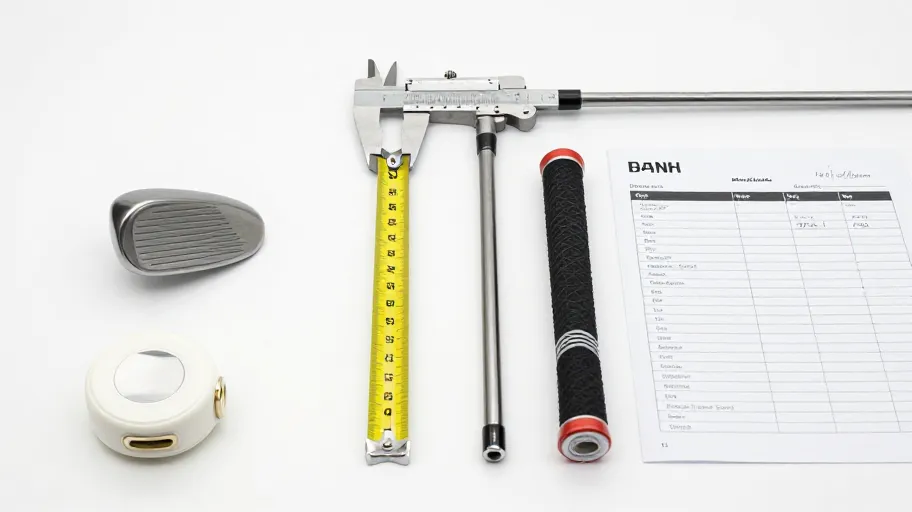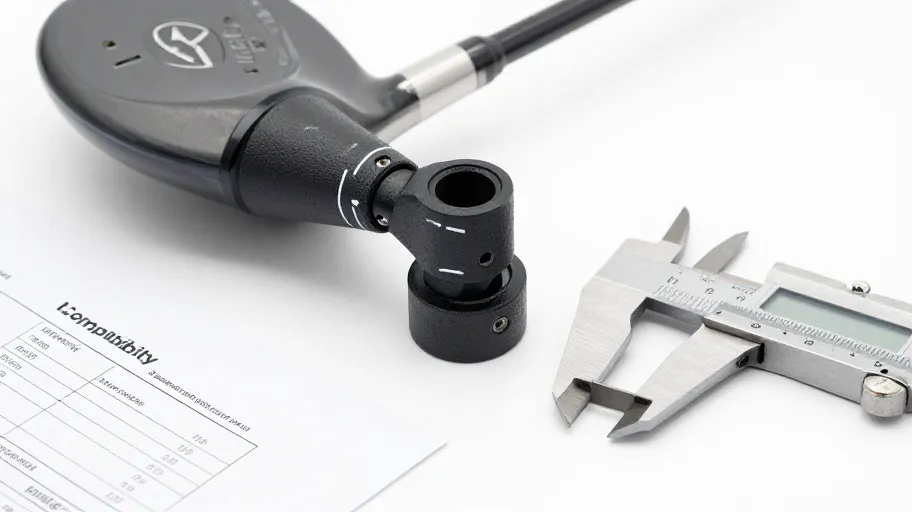
A golf shaft sleeve adapter is confirmed compatible only when you have documented evidence that it matches your exact club brand, family, model, model year or generation, and tip geometry — not a visual resemblance or a listing title. Before final sign-off, verify the adapter generation against the club head, confirm the settings markings, and record the source of that confirmation. Retain the evidence so the decision can be audited later.
Why adapters fail the compatibility test even when they look identical
The core problem with sleeve adapters is that outward similarity is not evidence. Two adapters can share a silhouette, a colour scheme and even a similar ferrule profile while differing in the geometry that determines whether the sleeve seats correctly in the hosel and whether the stated loft and lie settings do what they claim when installed.
For a club builder, the risk is not just a wasted component. A mismatch discovered after epoxy has cured means a rework cycle: strip, clean, re-tip, re-install. For a golfer sourcing a replacement sleeve for a reshaft, the risk is ordering against a listing that names the brand but not the generation, then finding the sleeve will not seat at the correct depth or will not index to the intended settings.
None of this means any particular product is unsuitable. It means the approval decision must rest on documented compatibility for your exact club, and anything short of that stays in the "unverified" column.
The MATCH-Sign framework: five checks before you approve
Use MATCH-Sign as your sign-off gate. Each letter is a check; the final letter is the discipline that makes the other four durable.
- M — Model. Confirm the club model name exactly as the manufacturer marks it, including any suffix, number or generation marker. "Same family" is not "same model."
- A — Adapter generation. Confirm which adapter generation the club head requires. Manufacturers revise sleeve designs within a family; ask the supplier or fitter to state the generation explicitly, in writing, for your model.
- T — Tip geometry. Confirm the tip diameter and the seating geometry against your shaft and hosel. Where dimensions matter to your build, ask the supplier for the current specification for the exact SKU rather than relying on remembered or approximate figures.
- C — Compatibility evidence. Require a first-party confirmation — a fitment listing keyed to your exact model and generation, or a written statement from the supplier — that this adapter is specified for your club. A generic "fits most" claim is not compatibility evidence.
- H — Hours of documentation retained. Save the confirmation: screenshot, order note, email, or selector result with a date. If the decision is ever questioned, you can show what you verified and when.
Decision table: evidence versus approval action
| Evidence in hand | Status | Approval action |
|---|---|---|
| Listing names brand only, no model or generation | Unverified | Do not sign off; request model-level confirmation |
| Supplier states generation in writing for your exact model | Verified (one source) | Cross-check against a second source or the fitment selector |
| Fitment selector match on model + generation | Verified (first-party) | Proceed to tip-geometry check |
| Tip geometry confirmed against your shaft spec | Verified | Approve for build, record in the build sheet |
| Visual match, no written source | Not evidence | Treat as incompatible until documented |
| Adapted/modified sleeve claims | Unverified | Request the modification detail and confirm against your hosel before any approval |
Approval questions to put to the supplier or fitter
Turn every unknown into a direct question and require written answers:
- Which adapter generation does this sleeve correspond to, stated against my exact club model and model year?
- Can you confirm, in writing, first-party compatibility for that exact model and generation — not the family in general?
- What is the current stated tip specification for this SKU, and can you supply it in writing with the listing?
- Which loft and lie settings does this sleeve support on my head, and where are those markings documented?
- What is your current policy on returns or exchanges if the sleeve does not fit my documented model?
- What is your current stock position and dispatch arrangement for this SKU at the time of order?
Do not accept answers that characterise a policy as what "most buyers" experience. Ask for the policy that applies to your order, today, in writing.
Document the decision, then retain it
The difference between a sourcing decision that holds and one that collapses under a dispute is the record. Build a one-line habit into every adapter purchase:
- Date, club model as marked on the head, generation, and the source of the compatibility confirmation.
- The selector result or supplier statement, saved with the order.
- The build sheet reference, so the adapter decision traces back to evidence.
This is what "sign-off" means: not a feeling that it will fit, but a documented chain from your club head to the adapter SKU. Anything you cannot trace stays unapproved.
Frequently asked questions
How do I confirm a golf shaft sleeve adapter fits my club? Match the exact model name and generation marked on your club head to a first-party fitment reference or a written supplier confirmation for that SKU. Visual similarity and brand-name matches do not confirm fitment. Record the confirmation with a date before you approve the purchase.
Are sleeves within the same club family interchangeable? Treat that as a question, not an assumption. Manufacturers revise adapter designs within families, and a revision can change seating or settings behaviour. Ask the supplier to state the required generation for your exact model in writing, and verify it in the fitment selector.
What documentation should I keep before final sign-off? Keep the selector result or supplier statement, the order confirmation, the stated tip specification, and a note of the model and generation as marked on your head. Date everything. If a fitment question arises later, the record answers it without re-litigating the decision.
Can I rely on the settings markings printed on a sleeve? Markings are only meaningful once the sleeve is confirmed for your head. A sleeve from a different generation can carry similar markings while indexing differently. Confirm generation first, then trust the markings for that confirmed pairing.
What should I ask if a listing does not name my model? Ask directly: "Is this SKU specified for [exact model, exact generation]? Please confirm in writing." If the answer references the family broadly instead of your model, the item remains unverified for your build.
Confirm before you commit
Confirm your club model in the fitment selector before any purchase or build decision. Model-level confirmation is the single check that moves a golf shaft sleeve adapter from "probably fits" to "documented for my club."
Low-friction next step: run the MATCH-Sign checklist — Model, Adapter generation, Tip geometry, Compatibility evidence, Hours of documentation retained — on your current adapter decision and save the result to your build sheet. Five minutes of records now prevents a rework conversation later.
Master Your Swing, DIY Your Fit. DIY Golf is the premier destination for the technical golfer. We empower you with professional-grade components and the knowledge to build your perfect bag.