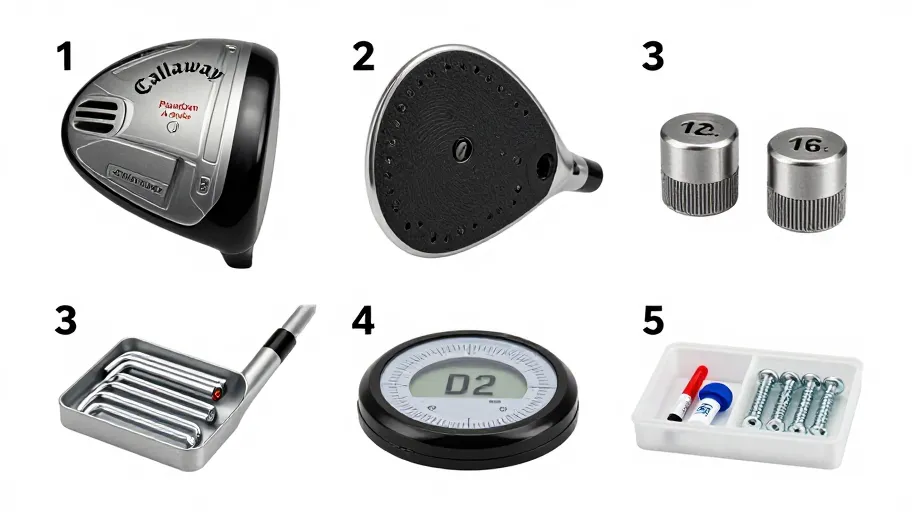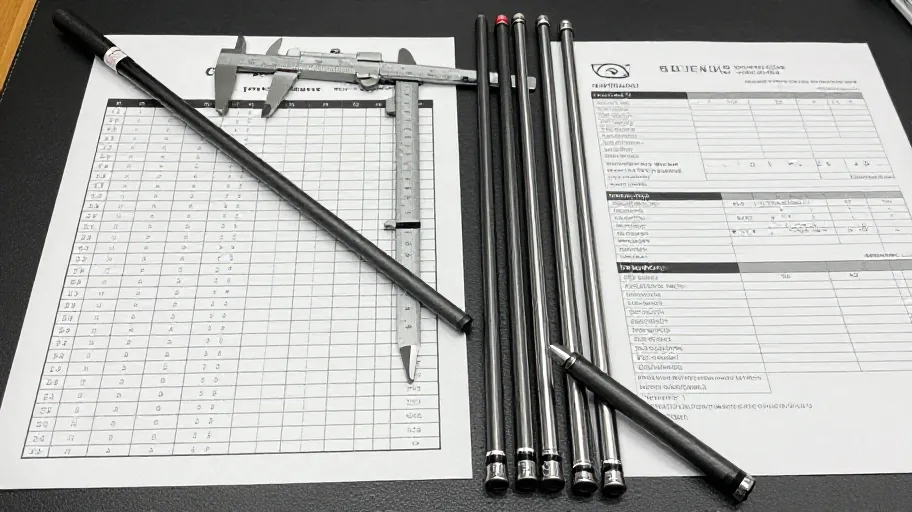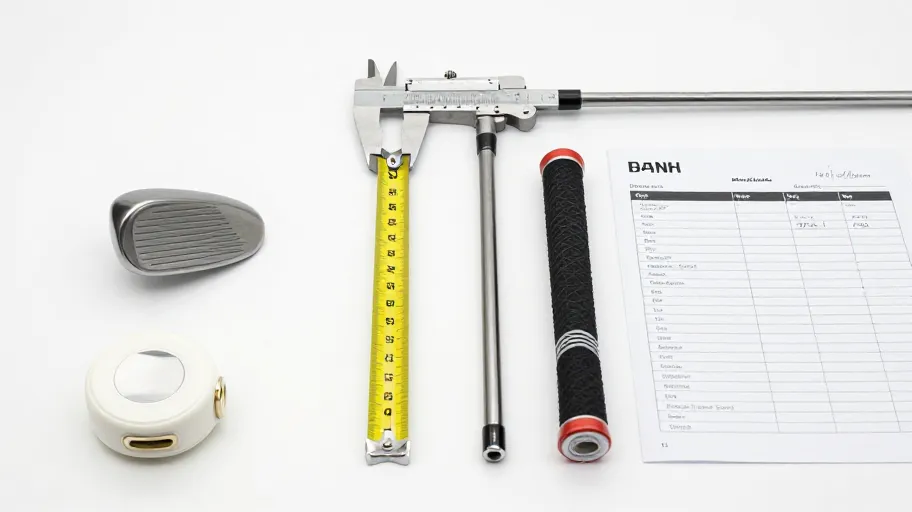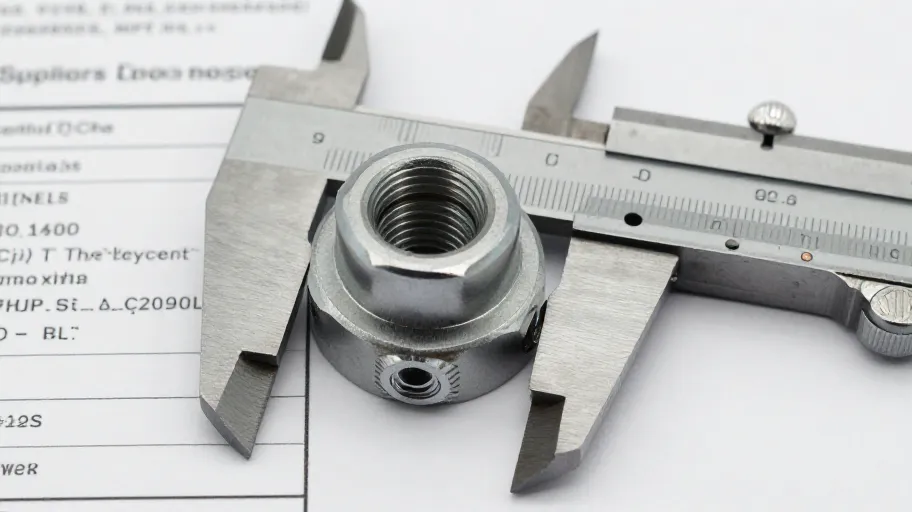
When a supplier proposes a material change for a golf shaft sleeve adapter, treat it as a new fitment question, not a minor note on a quote. Before approving anything, confirm in writing that the revised adapter matches your exact club model's hosel interface, that dimensions and thread or spline geometry are unchanged or documented, and that any performance implications are stated by the supplier rather than assumed by you. Ask for the change in writing, an evidence file for the batch, and a clear position on returns if the adapter does not fit.
Why material changes deserve a fresh compatibility check
A golf shaft sleeve adapter is a precision interface part. It sits between the shaft and the clubhead, transmitting torque, setting loft and face angle where the design is adjustable, and holding alignment under repeated installation. Because the part is small and the tolerances are tight, a material substitution — a different polymer grade, a different metal, a changed reinforcement — can interact with fitment in ways a listing description will not reveal.
None of this means a substitution is a problem. Suppliers change materials for reasons that can include availability, machining behaviour or regulatory considerations, and the substituted part can be entirely suitable. The point is that suitability is something you verify for your club model, not something you infer from the word "compatible" on a product page. The verification path below keeps the conversation anchored to fitment evidence.
The MATCH-CHECK framework
Use MATCH-CHECK to structure the conversation with any supplier proposing a material change:
- M — Model. State your exact club brand, family, model and (where relevant) generation or head version. Ask the supplier to confirm the adapter is specified for that model in writing, not just the family name.
- A — Adapter geometry. Ask whether the outer geometry, tip diameter relationship and overall seated height are identical to the part originally quoted, and request the drawing or measurement sheet if one exists.
- T — Tolerances. Ask what dimensional tolerances the revised part is produced to and how those tolerances are checked. Do not accept or assume a specific number from this article — ask the supplier to state theirs.
- C — Compatibility evidence. Ask what first-party evidence the supplier holds for this exact adapter and material on your model: fitment confirmation, inspection records, or prior supply history. If none exists, ask what will be done to establish it before shipment.
- H — Hosel interface. Confirm the interface features that matter for your head: spline or thread form, seating cone, and the tip trim relationship with your shaft. A material change that alters any of these is a different part.
- C — Installation behaviour. Ask how the new material behaves at installation: recommended adhesive, curing considerations, torque at installation, and whether the supplier's removal guidance changes. Ask; do not assume behaviour carries over.
- H — Handling of the change. Ask how the substitution is documented: revised part number, batch record, or a notation on the order. This protects you if a later dispute turns on what was actually shipped.
- E — Evidence file. Request that whatever is confirmed — geometry sheet, model confirmation, batch notation — be assembled into one written record you can keep.
- C — Confirm in writing. Every answer above counts only when it is in writing from the supplier, tied to your order reference.
- K — Keep the exit clear. Ask, before approving, what happens if the adapter does not fit your stated model: the return or replacement pathway, and who confirms the misfit. Confirm the current policy directly; this article makes no statement about what that policy is.
Decision table: how to respond to a proposed material change
| Situation | What the supplier provides | Your decision | Action |
|---|---|---|---|
| Identical geometry, written model confirmation, documented change | Drawing or measurement sheet plus explicit fitment confirmation for your model | Approve | Keep the evidence file with your order records |
| Geometry confirmed in words only, no sheet or record | Verbal assurance that "it fits the same" | Question | Request written confirmation and the tolerance/checking method before approving |
| Interface features change (spline, cone, seated height, tip relationship) | A description of a "revised" or "updated" fitment | Hold | Decline for now; ask for the revision history and evidence for your specific model |
| Material change with no fitment evidence and no documentation path | A quotation note only | Decline | Ask for the original material or a documented alternative before proceeding |
| Change framed as a performance upgrade | Claims about improved feel, durability or launch | Separate the claims | Approve only on fitment evidence; treat performance claims as unverified unless the supplier provides first-party results for the exact product |
Approval questions to send in writing
- Please confirm in writing that this golf shaft sleeve adapter, in the proposed material, is specified for [brand, family, model, generation]. Does the confirmation cover the exact head version I have named?
- Are the interface geometry and all dimensions unchanged from the part originally quoted? If anything changed, please send the drawing or measurement sheet and state the dimensional tolerances and how they are checked.
- Does the spline or thread form, seating cone, or tip trim relationship change in any way with the new material?
- Does your installation or removal guidance change with this material — adhesive type, cure, installation torque, or reuse guidance? If so, please send the revised guidance.
- How will the material change be documented on my order — part number revision, batch record, or order notation?
- What evidence do you hold that this adapter and material combination fits my model? If there is none yet, what will you do to establish it before shipment?
- If the adapter does not fit my stated model, what is the process for confirming the misfit and resolving the order? Please state the current policy in writing.
Any question the supplier cannot answer in writing is itself an answer: it tells you where your verification effort should go next.
Fitment confirmation is not a performance promise
Keep two conversations separate. The first is fitment: does the adapter physically and functionally match your club model's hosel interface, with evidence you can file. The second is performance: will the club feel, launch or spin the same. This article cannot confirm either for any specific product, and you should treat any performance claim — from any party — as unverified unless first-party evidence exists for the exact adapter, material and club model in question. Approve the substitution on fitment evidence, and set performance expectations separately, in your own build and testing.
Frequently asked questions
Does a material change automatically mean the adapter will not fit my club? No. A substitution can be fully suitable. The issue is evidence: without written confirmation of the interface geometry and model-specific fitment for the revised part, you are assuming compatibility rather than confirming it. Ask, document, then decide.
Which club details should I give the supplier? Brand, family, model, and generation or head version where the family has variants. Family names alone can be ambiguous, and adapters can differ between generations. When in doubt, confirm your model in the fitment selector first so your question is anchored to the right part.
What if the supplier says the change improves durability or feel? Treat that as a claim, not evidence. Approve on fitment documentation for your model; evaluate performance claims only if the supplier provides first-party results for the exact product, or through your own build and testing.
Should I ask for a sample before approving a material change? Whether a sample is offered, what it covers, who pays for shipping, and any associated fees are all parts of the supplier's current policy, which this article does not state. Ask the supplier directly for the current sample policy in writing, and treat the answer as part of your approval record.
How do I keep records that protect me later? One file per order: your model statement, the supplier's written fitment confirmation, the geometry or tolerance documentation, the material-change notation, and the policy answers on returns or replacement. Anything agreed by message should be summarised into that file.
Next step: confirm your model
Confirm your club model in the fitment selector before you send any approval questions, so every answer from the supplier is tied to the exact adapter your build needs.
If you are not ready to contact a supplier yet, work through the MATCH-CHECK approval checklist first — write down each answer you still do not have, and let that list become your first question set.
Pre-contact checklist:
- Exact brand, family, model and generation written down
- Model confirmed in the fitment selector
- Original quoted adapter part number and material recorded
- Proposed material change described in writing by the supplier
- Seven approval questions drafted and ready to send
- Evidence file started for this order
- Written policy answer on misfit resolution requested
Master Your Swing, DIY Your Fit. DIY Golf is the premier destination for the technical golfer. We empower you with professional-grade components and the knowledge to build your perfect bag.