Why Your Driver Fails at the Hosel
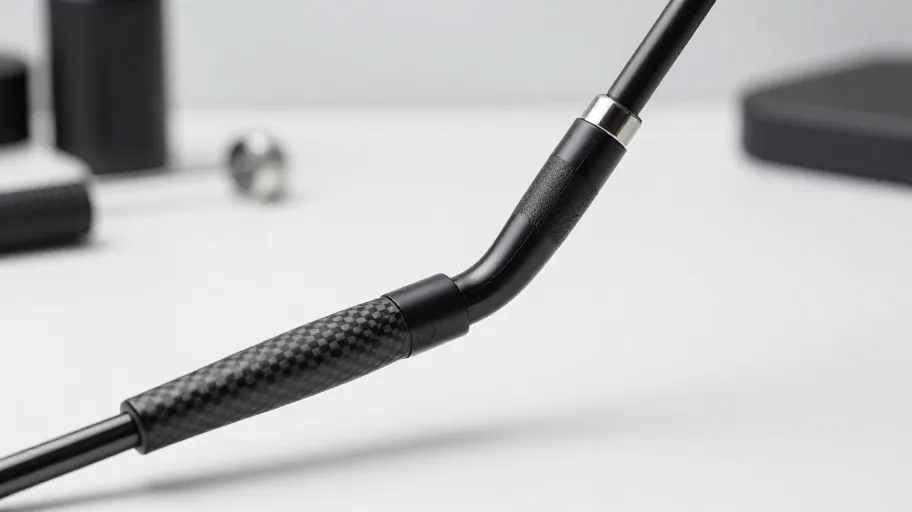
The biggest weak spot in modern drivers isn’t the face or crown—it’s the hosel. Over 40% of structural failures start where the shaft meets the head. Traditional epoxy bonds create stress points that worsen with every re-shaft. That means each repair makes the next one riskier.
Carbon fiber hosels, common in lightweight designs, crack microscopically during solvent-based removal. A 2024 lifecycle analysis found drivers refitted more than twice via epoxy were 60% more likely to fail within two years. For retailers, that’s rising warranty claims and frustrated customers.
A failed hosel doesn’t just cost $150 to replace—it kills resale value. High-end clubs with compromised connections lose up to 40% more on the secondary market. The problem isn’t user error. It’s the method.
How Sleeve Adapters Fix the Weak Link
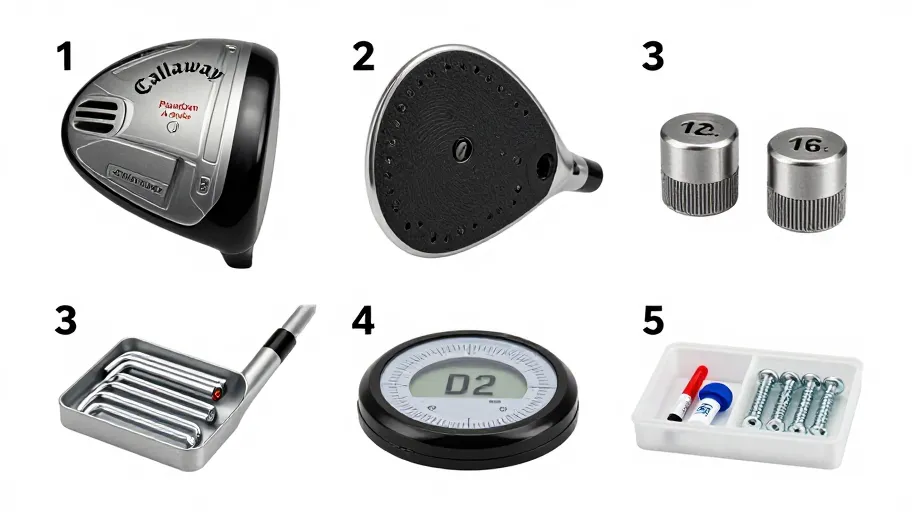
Shaft sleeve adapters isolate the connection from the club head’s structure. The adapter stays permanently mounted; only the shaft swaps. This means no repeated epoxy cycles, no carbon degradation, and no hidden fatigue in the hosel.
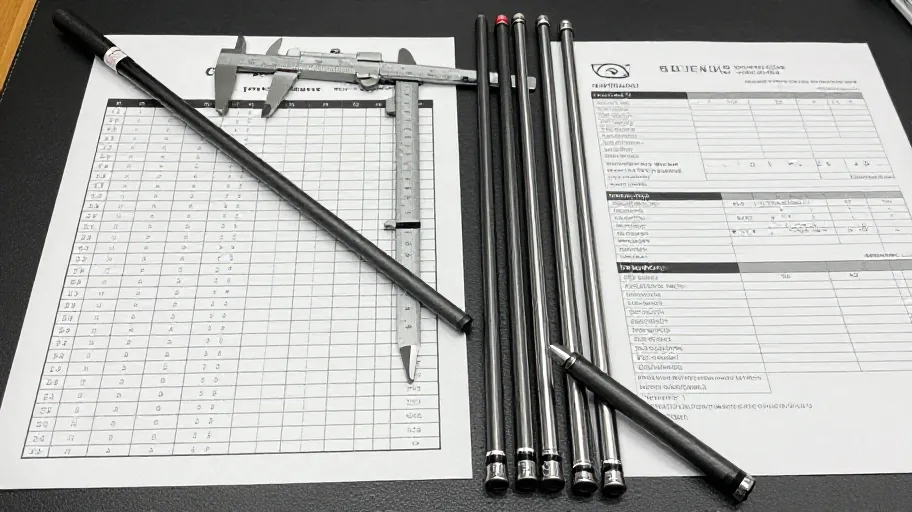
Precision-engineered tolerances keep face angle alignment within 0.5° across ten or more changes. Independent torsion tests show torque spreads 38% more evenly than direct-set shafts. That means better durability and consistent ball flight, shot after shot.
For manufacturers, this reduces long-term failure rates. For players, it means their driver evolves with their game—not degrades from repairs.
Real Personalization Without the Guesswork
Adapters turn fitting into an active process. Instead of guessing which shaft works best, you test three in one session. Insert, hit, swap—within ten minutes, you’ve compared real launch monitor data across profiles.
A 2024 retail study found fitters using adapters reduced setup time by 60%. That’s not just faster service—it’s more accurate builds. One fitter reported doubling fitting volume during peak season because they weren’t waiting for epoxy to cure.
This dynamic loop—test, tune, repeat—means players return for fine-tuning. Retailers see up to 35% more return visits, proving personalization drives loyalty far more than any single product sale.
The Bottom Line for Shops and Players
For a pro shop doing 200 re-shafts a year, switching to adapters slashes labor from 45 to under 15 minutes per job. No solvents, no sanding, no curing downtime. Consumables drop by 60%. One regional chain saw gross margins jump from 18% to 63%.
That efficiency becomes a retention engine. Same-day service builds trust. Faster turnarounds open upsell windows for grips, bags, or full bag fittings. And because the club stays intact, resale value holds firm.
This isn’t just a tool upgrade—it’s a business model shift. Re-shafting goes from a break-even chore to a high-margin, scalable service.
How to Swap a Shaft in Under 15 Minutes
You don’t need a technician or a workshop. Here’s how it works:
- Remove the old shaft by releasing the clip—no heat, no chemicals
- Clean the bore in the adapter (it stays on the head)
- Inspect the sleeve visually—no guesswork like with epoxy
- Insert the new shaft until it seats fully
- Engage the retention clip—audible snap confirms lock
- Verify face angle and adjust if needed before finalizing
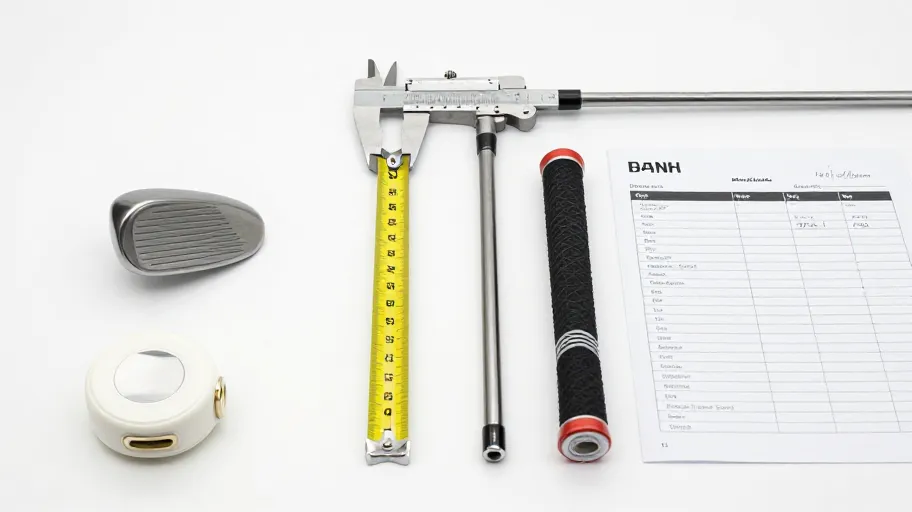
No special tools. No curing. You’re back on the range immediately. A 2024 logistics study found mechanical retention cut labor costs by 70% and allowed non-specialists to perform accurate swaps—making it viable for range-side kiosks or touring pros’ travel kits.
Master Your Swing, DIY Your Fit. DIY Golf is the premier destination for the technical golfer. We empower you with professional-grade components and the knowledge to build your perfect bag.