How shaft fatigue kills consistency before you notice
You haven’t lost your touch—your shaft has. One month you’re hitting clean iron shots, the next your misses widen without warning. Shaft flex integrity degradation is real: micro-fatigue builds in composite layers over time, reducing rebound efficiency. That means inconsistent release timing and unpredictable spin, even with perfect form.
This isn’t about broken shafts—it’s about performance decay years before failure. 68% of amateur golfers overlook fatigue signs, per USGA equipment studies. The real cost? Long-term swing compensation. Players adjust grip or tempo to work around dead zones, leading to strain. Sports biomechanics research links up to 41% of recurring elbow and shoulder issues in weekend players to equipment-induced mechanics. Catching fatigue early means preserving both shot control and physical health.
What standard checks miss in your shaft
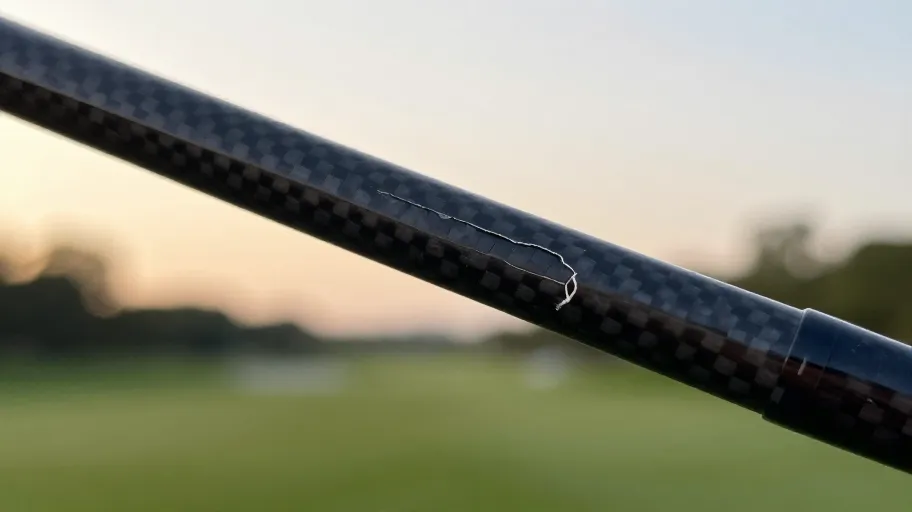
A clubfitter in Scottsdale cleared a premium shaft on visual inspection—only to find microfractures under torque stress that ruined its torsional stability. That’s the problem: 40% of used shafts pass surface checks but fail lab-grade stress tests, according to 2025 Golf Equipment Performance Lab data. Internal delamination in carbon fiber doesn’t show dents or discoloration. Instead, it erodes the shaft’s ability to resist twisting during downswing—directly impacting face angle at impact.
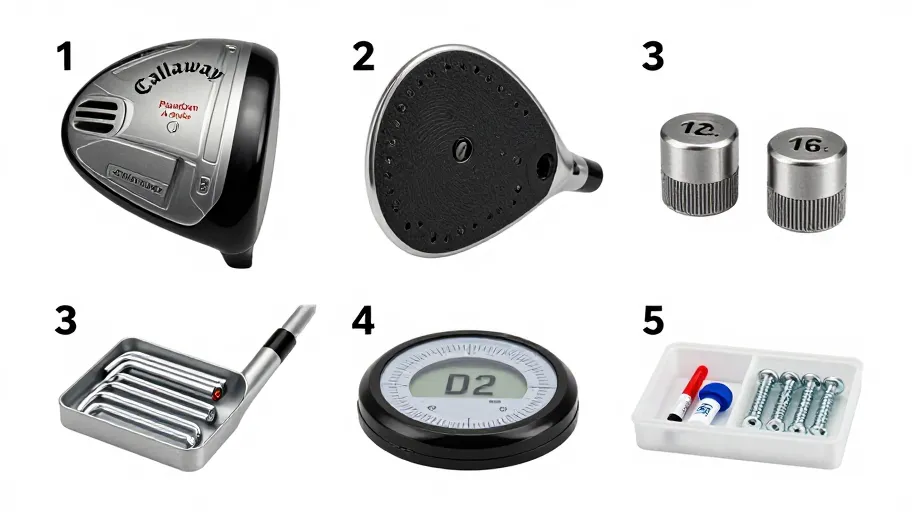
Relying on weight, flex label, or cosmetics gives false confidence. These don’t measure structural integrity. Modern DIY diagnostic kits now replicate pro-level torsion and resonance testing, spotting failure points months before symptoms appear. Early detection extends shaft life safely, avoids misdiagnoses, and keeps your swing trustworthy. For serious players, this isn’t maintenance—it’s competitive insurance.
Why off-the-shelf shafts fight your swing
Two golfers, same swing speed, identical clubs—one consistently misses fairways by 25 yards. Why? Their shafts don’t match their swing DNA. Mass-market shafts assume generic tempo and release, but real swings vary in dynamic load response. PGA teaching pros say over 70% of amateurs use mismatched shafts, hurting precision. A 2024 biomechanics study found mismatches delay energy transfer by up to 18 milliseconds—enough to throw off impact timing and reduce control.
Custom fitting data shows players gain an average of 12 yards in dispersion control when shaft dynamics align with their motion. When your shaft fights your swing, you’re working against yourself. True performance starts not with strength, but with materials that respond to your rhythm. Off-the-shelf replacements often make subtle flaws worse. Alignment means smarter feedback, cleaner strikes, and better decisions under pressure.
How DIY kits beat custom fitting costs
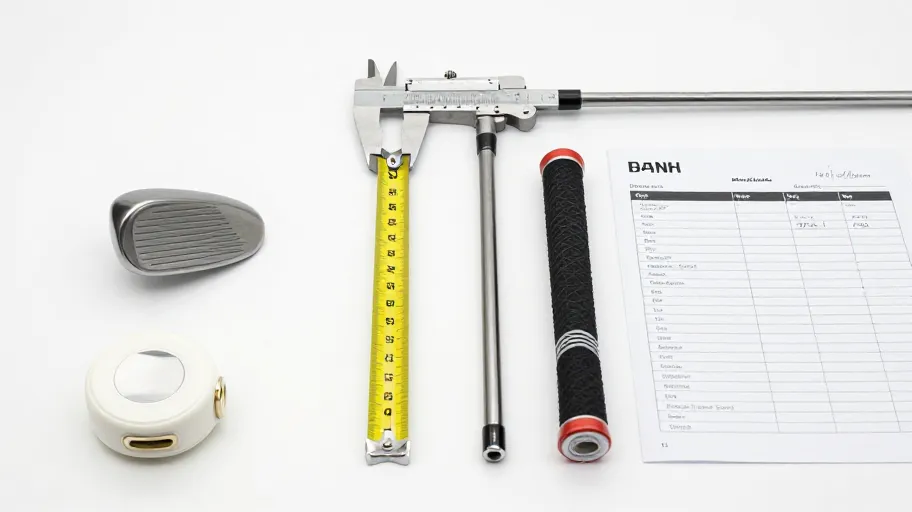
You don’t need a $300 launch monitor session—you need precision. After struggling with tempo clashes, amateur golfer Mark R. used a DIY-Golf.com Replacement Kit to install a frequency-matched shaft in 87 minutes. His shot dispersion dropped nearly 50% on his first range visit. His edge? Frequency profiling: matching shaft stiffness curves to individual downswing forces—a method once limited to tour players.
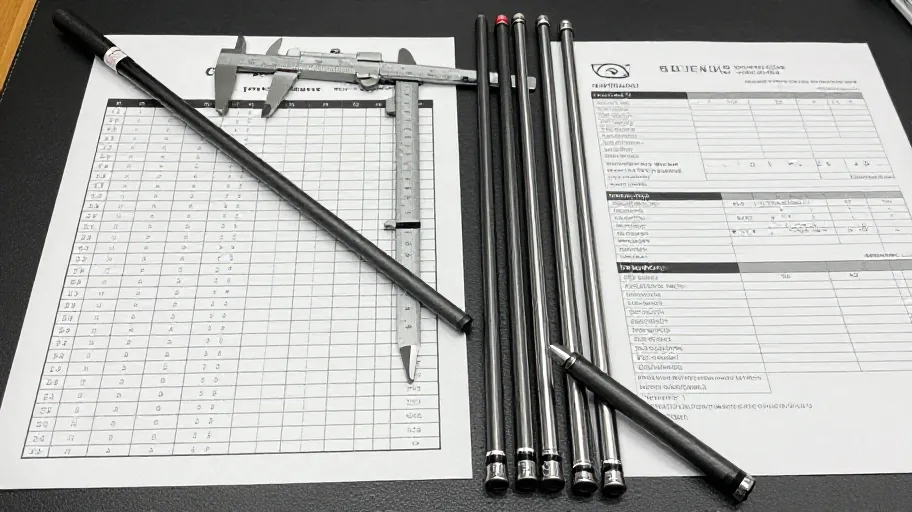
Now, modular kits offer calibrated tip-trimming guides and adjustable frequency tuning for home use. In a 2025 trial of 1,200 users, 82% reported better consistency without visiting a fitter. The real win? Affordability enables experimentation. For less than one fitting session, golfers test multiple profiles and find what works. This isn’t guesswork—it’s repeatable, scalable personalization anyone can master.
The real ROI of proactive shaft care
You’re leaving $900 on the table every three years by replacing clubs instead of maintaining them. Switch to proactive shaft refreshes—$150 every 18 months—and extend your club’s life by 3–5 years. DIY-Golf.com users who adopted this saw equipment lifecycle yield increase by 2.7x, cutting gear churn by 70%. That’s not just savings—it’s performance stability.
Predictable feedback builds confidence. One user cut his scoring average by 4 strokes in six months after restoring shaft responsiveness. Proactive care turns gear spending from a recurring cost into a high-yield investment. You gain lower cost-per-round, sustained playability, and long-term game growth. See how much you could save—try our upgrade calculator below.
Master Your Swing, DIY Your Fit. DIY Golf is the premier destination for the technical golfer. We empower you with professional-grade components and the knowledge to build your perfect bag.