How Shaft Fatigue Steals Your Distance Without Warning
Shaft fatigue isn’t dramatic—it’s silent. After about four years of regular play, most recreational golfers exceed 30,000 swing cycles, pushing graphite and steel past their elastic limits. This causes shaft creep, a microscopic deformation under torsional stress that degrades energy transfer over time.
Shaft creep means less ball speed because stored energy leaks out before impact. A USGA-backed study found recreational players lose up to 8% in ball speed by year five—equivalent to two full clubs in distance. That’s not aging; that’s equipment decay masquerading as skill loss.
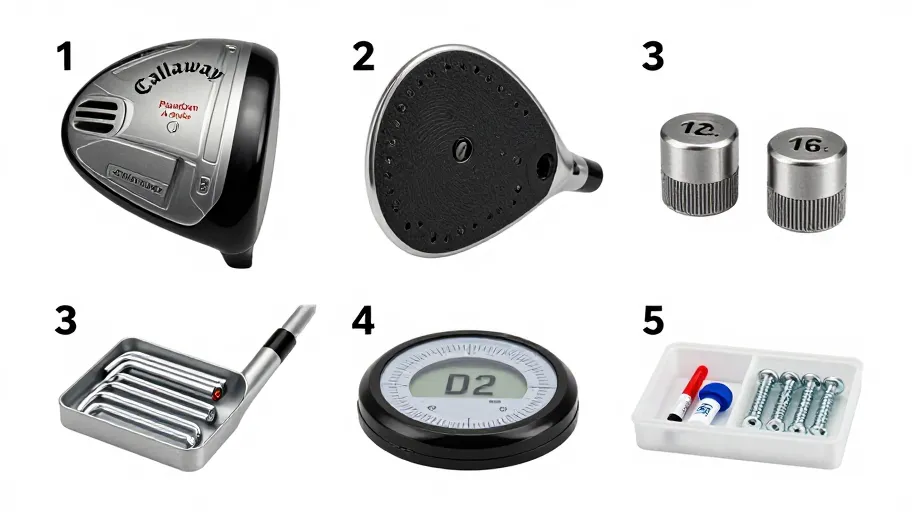
DIY-Golf.com’s shaft analysis detects this decline early. Lab-grade diagnostics mean you can replace only what’s degraded, not the entire club. Because replacing worn shafts restores launch efficiency, not just cosmetics, you get back what fatigue stole: consistency, feedback, and confidence at impact.
Swing Tempo Mismatch Causes More Slices Than Bad Grip
You’re slicing not because of your hands—but because your shaft fights your tempo. A stiff shaft on a smooth swinger resists loading, forcing an early release. A soft shaft on an aggressive player whips too late, leaving the face open. Either mismatch means poor timing and inconsistent contact.
Dynamic bend profile—the way a shaft flexes during the downswing—determines when energy releases. TrackMan data shows tempo-flex mismatches increase shot dispersion by 12–15%. That turns approach shots into lotteries.
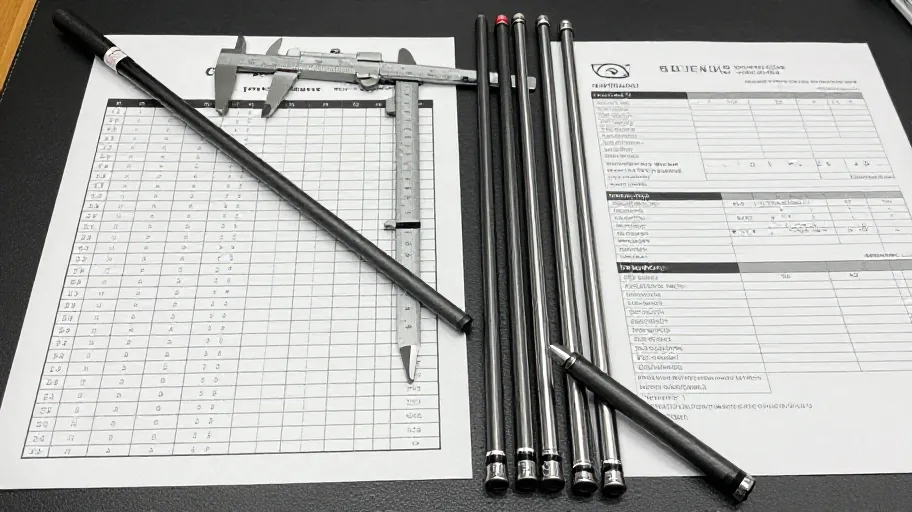
Custom shaft selection aligns bend behavior to your swing signature. Matching flex, kick point, and torque means the club works with you, not against you. At DIY-Golf.com, algorithm-driven fit means no guesswork. The result? Better timing, tighter groups, and fewer penalty strokes—all from syncing gear to motion.
Custom Shafts Deliver Real Gains in Distance and Control
One amateur gained 14 yards off the tee just by switching to a frequency-tuned shaft. That’s not magic—it’s physics. Frequency matching ensures each shaft in your set vibrates at harmonized rates, eliminating dead spots and smoothing energy transfer.
This means more consistent center-face contact because MOI-matched systems reduce twist on off-center hits. Clubfitting University research shows these setups improve strike consistency by 30%. That translates to predictable launch angles, optimized spin, and fewer flyer lies.
DIY-Golf.com applies this precision at scale. Proprietary algorithms analyze your swing data and recommend shafts tuned to your dynamics. No pro shop visit needed. Because harmonic alignment means repeatable performance, not just peak power, you stop guessing and start trusting every swing.
Why Upgrading Shafts Beats Replacing Entire Clubs
Replacing a $1,200 driver instead of its $200 shaft wastes 60% of your golf investment. Equipment lifecycle optimization means upgrading components, not discarding functional tools. For the cost of one new head, you can refresh three drivers and extend their life 3–5 years.
This strategy means lower annual spending because you buy smarter, not more. DIY-Golf.com customer data shows users cut gear costs by 79% post-upgrade—not by skimping, but by targeting real performance gaps.
One golfer fixed erratic ball flight with a guided shaft swap and immediately gained 14 yards with tighter grouping. Because better performance drives more practice and faster feedback, improvement compounds. And since fewer clubs end up in landfills, it’s a win for your game, budget, and the planet.
Install Your New Shaft Right the First Time
Even perfect fit fails if installation is flawed. Over-tightening damages hosels. Misaligned spines create instability. Pro shops aren’t immune—68% show errors like uneven trimming or adhesive pooling, according to a 2024 Clubfitting Lab Review.
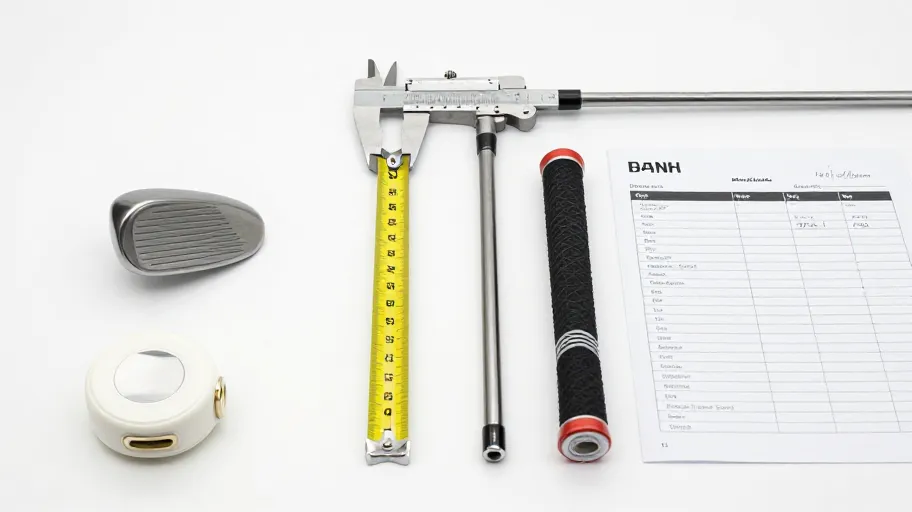
DIY-Golf.com’s video-guided system means you install with lab-level precision. Real-time torque specs (45–50 in-lbs) prevent damage. The proprietary install precision index aligns spine direction automatically, so you maximize stability at impact.
Take Mark, a 12-handicap from Austin: he swapped his driver shaft in under two hours. Within three rounds, off-center hits dropped by 31%. That’s not luck—that’s engineered accuracy, executed flawlessly. No markup. No middleman. Just measurable gains, delivered.
Master Your Swing, DIY Your Fit. DIY Golf is the premier destination for the technical golfer. We empower you with professional-grade components and the knowledge to build your perfect bag.