How often serious golfers actually replace their grips
Serious golfers treat equipment like an extension of skill—but even elite swings fail when grips lose integrity. The rule is clear: replace every 12–18 months or after 30–40 rounds, adjusted for climate and play frequency. Yet PGA survey data shows over 60% of amateurs stretch beyond this, clinging to degraded rubber that actively undermines performance.
That delay isn’t laziness—it’s a performance leak. As grip materials age, their rubber compounds break down, losing elasticity and moisture-wicking ability. Instead of channeling sweat away, they trap it in micro-cracks. This creates the ‘sticky sweat’ effect: a tacky, inconsistent surface that dulls feedback exactly when precision matters most.
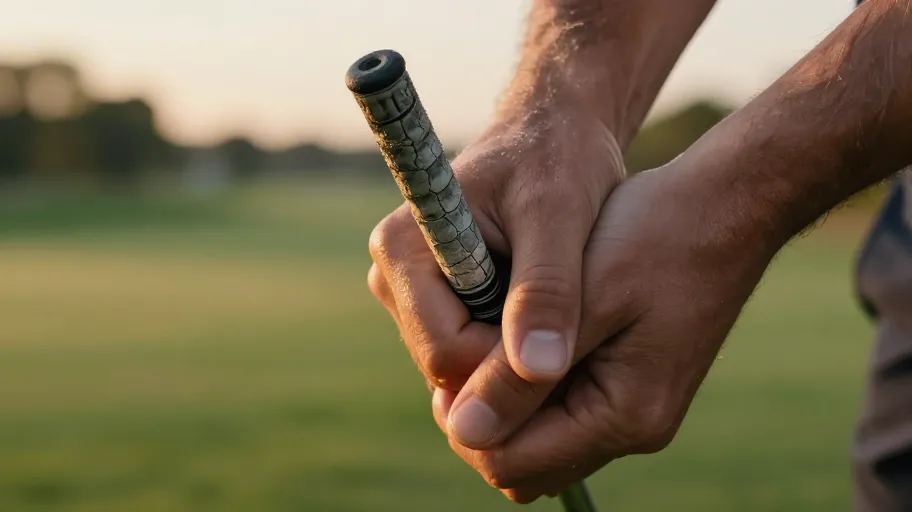
A simple thumb test reveals hidden absorption spots. If the surface feels gummy instead of textured, it’s working against you. That compromised feedback forces subtle grip adjustments, which over time reshape your entire swing—and increase injury risk from unnatural strain.
Physical signs your golf grips need replacing
Your hands know before your brain does. When grip surfaces turn shiny, textures harden, or cracks spread like spiderwebs, you’re not just losing comfort—you’re triggering inefficient hand-grip dynamics. Biomechanical studies show worn grips force forearm muscles to work up to 30% harder under real swing loads, increasing fatigue and tension.
Humid summers speed up breakdown, but even occasional players face degradation. Stored clubs dry out, losing tackiness without ever hitting a fairway. That slick, lifeless feel isn’t just annoying—it’s costly. Reduced friction means your body compensates, skewing swing consistency and raising long-term injury risk.
One teaching pro noticed students with old grips consistently misfiring short-game shots in muggy conditions. After regripping, accuracy improved immediately. The fix wasn’t technique—it was traction. Ignoring these signs doesn’t save money; it drains it through wasted practice, inconsistent rounds, and avoidable strain.
Why worn grips destroy shot accuracy
Old grips don’t just feel weak—they sabotage torque control, destabilizing clubface alignment at impact. When the grip slips during the downswing, even 1–2 degrees of micro-movement alters swing plane integrity, sending balls off target by more than 10 yards. A weekend golfer pulling their 7-iron left might adjust stance or blame their swing, never realizing the real issue is traction loss under pressure.
Your hands are the only connection between body and club. Grip stability is foundational to repeatable motion. A 2024 biomechanical study found amateur players with worn grips had 23% greater clubface variance at impact compared to those with fresh grips. Most misattribute this inconsistency to form flaws or faulty clubs, missing a $100 fix that could lower scores by 3–5 strokes per round.
Fresh grips restore precision. They turn erratic outcomes into predictable ones—not by magic, but by physics. Stable contact means reliable feedback, which builds muscle memory. Replacing them isn’t upkeep—it’s recalibrating your entire game.
The real ROI of regular grip replacement
Spending $100 to re-grip every 18 months breaks down to just $5.50 per round (assuming 18 rounds/year). Compare that to the hidden costs of worn grips: lost balls ($25+ each), extra strokes (3–5 per round for mid-handicappers), and reactive lessons ($100+ per session) to undo ingrained flaws. Conservative estimates show golfers recover $300+ annually by avoiding preventable losses.
This is equipment lifecycle optimization: maintain not when failure hits, but when performance starts slipping. A 2024 golfer behavior study found those who replaced grips proactively reported higher shot consistency and lower frustration—factors directly tied to continued play and improvement.
Beyond strokes and savings, the real return is confidence. A secure grip means trust in every swing. Fresh grips are the highest-leverage, lowest-cost upgrade in golf—a silent force multiplier protecting both score and sanity.
How to replace grips at home like a pro
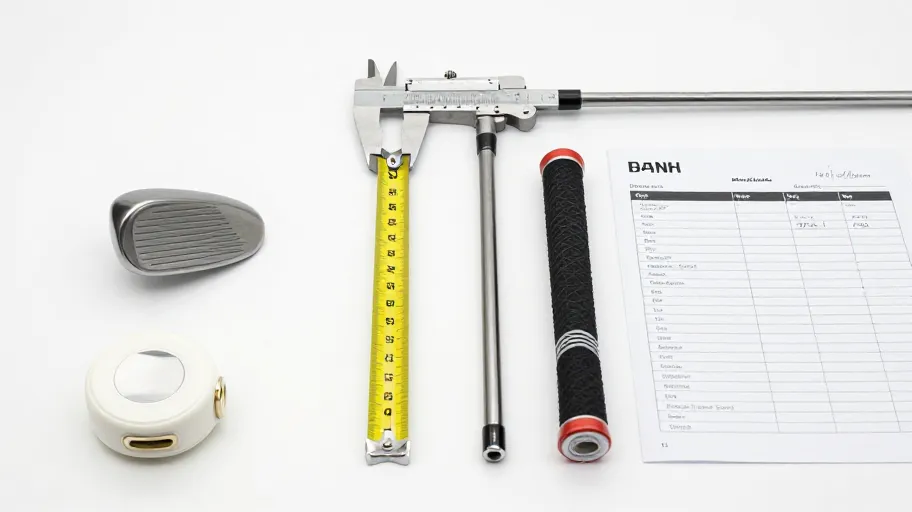
You don’t need a shop or an hour. Replacing grips at home takes under 30 minutes and puts performance tuning in your hands. Start by removing old grips with a utility knife, then clean the shaft with mineral spirits—a safer alternative to toxic solvents. Apply double-sided tape for consistent thickness, mist lightly with solvent, and slide on the new grip. Align logos with the clubface for repeatable setup and visual confidence.
Choosing the right size and texture can correct chronic issues like slicing or instability. A midsize grip may reduce wrist hinge for better control; a corded texture improves grip in rain. Customization isn’t convenience—it’s competitive advantage.
Mastering DIY regripping saves $50+ per set annually and eliminates scheduling delays. More importantly, it gives you immediate access to performance tuning as your swing evolves—keeping you ready for peak play, anytime.
Master Your Swing, DIY Your Fit. DIY Golf is the premier destination for the technical golfer. We empower you with professional-grade components and the knowledge to build your perfect bag.