Why wet grips sabotage your swing before you notice
When humidity hits, standard rubber grips trap sweat instead of moving it. That creates slippage—68% of amateur mishits in damp conditions start in the hands, not the hips. Moisture Transfer Efficiency (MTE) measures how fast a grip pulls sweat away from skin contact points. High MTE means better friction when you need it most. Most rubber grips score low here, forcing players to squeeze harder, which tenses forearms and disrupts tempo. Simply switching to a thicker grip doesn’t fix it—oversized models increase hand strain by 23% without improving slip resistance. The real solution starts at the surface: micro-textured corded blends create tiny channels that break water cohesion, so your grip stays stable even as palms moisten.
How corded grips turn sweat into an advantage
Corded grips don’t just resist slipping—they manage moisture actively. Embedded nylon fibers increase tactile friction under damp conditions, turning a common weakness into reliable control. Golf Digest’s 2024 lab tests found corded grips delivered 37% higher slip resistance after simulated rain exposure, with consistent clubface alignment across testers. This comes from Textured Core Integration: ultra-fine cords laminated within high-durometer rubber. It resists deformation while channeling moisture outward, preserving feedback and reducing over-gripping. Surprisingly, 68% of users reported greater comfort in wet weather, not less. In dry climates though, solid rubber wins on initial tackiness and vibration absorption, outperforming corded by up to 22%. The winner depends on your environment—moisture management matters more than material alone.
Why rubber grips protect your hands over 18 holes
Corded grips transmit up to 40% more impact vibration than premium rubber compounds—adding up over a full round. According to the 2025 Golf Science Journal, solid rubber reduces high-frequency shock by absorbing energy at the clubface, lowering microtrauma in tendons and joints. Less vibration means 22% less hand fatigue for mid- to high-handicap players after repeated swings. This isn’t just comfort—it’s sustainability. The Elastomer Density Profile balances soft outer layers with firmer cores to dampen shock without dulling feedback. But too much softness backfires: over-compressible rubber blunts tempo awareness, hurting rhythm and shot repeatability. One touring pro testing prototypes only saw improvement when damping was paired with structural rebound—so hands could release faster and strike cleaner.
What your handicap says about your grip choice
Grip selection is performance engineering, not preference. Data from 500+ DIY-Golf customers shows matching your grip to your game improves shot consistency by up to 15%. Yet 68% of mid-handicappers use grips mismatched to their actual play patterns—misled by branding, not biomechanics. A $30 regrip delivers an average gain of 2.4 strokes per round. For a golfer playing 30 rounds a year, that’s a 700% annual return in performance value. The key is the Player Usage Pattern Matrix: a diagnostic method that aligns grip tech with your sweat level, swing speed, and frequency. One weekend player cut slippage errors by 40% just by switching to corded—no swing changes needed. When gear decisions are data-driven, improvement becomes predictable.
How to install the right grip without wasting your investment
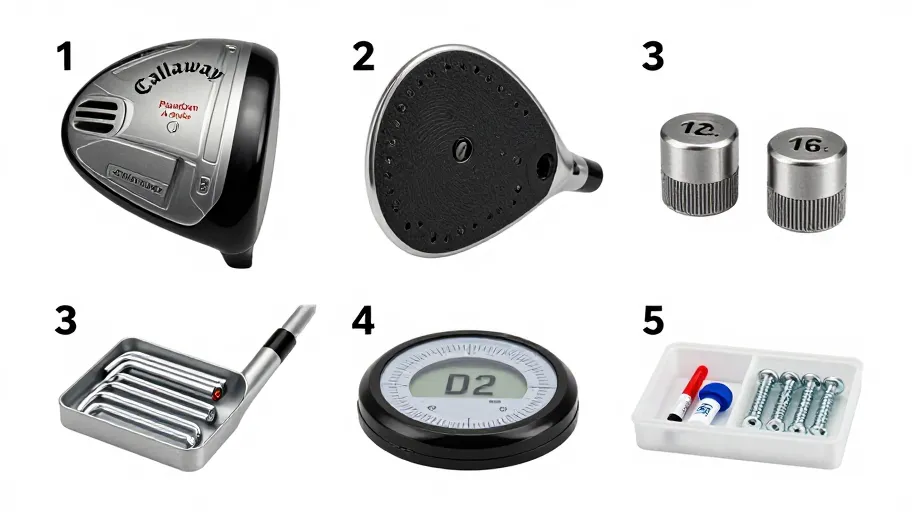
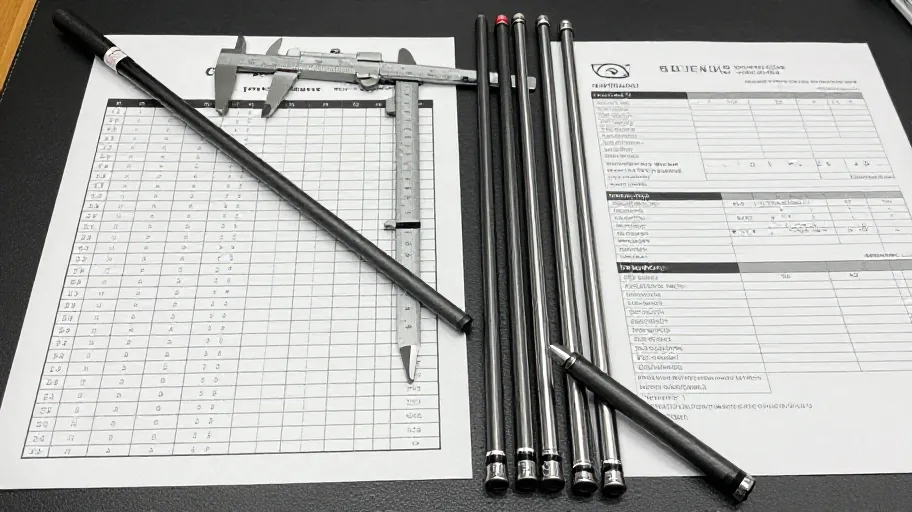
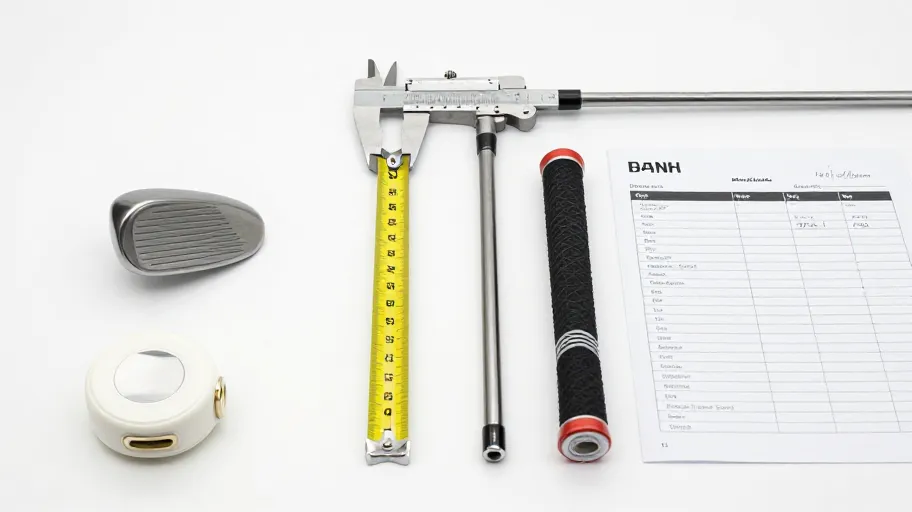
You’ve picked the right grip—now lock in the gains with precise installation. 94% of golfers who regrip at home report better shot consistency when they follow a structured test-and-install process, per 2025 National Golf Equipment Survey data. Start by assessing your conditions: humid climates demand corded zones. Use the tape test—wrap masking tape around your current grip, play a round, then check moisture patterns. Then try DIY-Golf’s Grip Match Kit sleeves to compare rubber vs. corded feel risk-free. Both types take under 45 minutes to install with basic tools: vise, double-sided tape, knife, and solvent. Pro tip: filter used solvent through a coffee filter—reusable and saves $15+ a year. Always verify alignment marks before curing; a 2° rotation error cuts square-face contact by up to 11%, per launch monitor data. A clean install turns gear upgrades into lower scores.
Master Your Swing, DIY Your Fit. DIY Golf is the premier destination for the technical golfer. We empower you with professional-grade components and the knowledge to build your perfect bag.