Why grip choice changes your short game forever
A slippery grip doesn’t just feel bad—it costs you strokes when it matters most. You don’t lose holes off the tee; you lose them on the six-inch putt that lipped out because your hands shifted at impact. A 2024 PGA Tour biomechanics study found wrist micro-movements increase up to 18% when sweat reduces grip stability, directly hurting consistency on chips and putts.
Corded grips fix this with embedded nylon fibers that wick moisture and boost surface friction by 32% in wet conditions, according to Golf Labs Inc. testing. That extra grip means less hand movement, more repeatable strokes, and fewer three-putts. In a 2025 amateur trial, weekend players using corded grips averaged 1.6 fewer three-putts per round in humid weather. This isn’t texture for show—it’s traction engineered into every swing.
Stability under sweat translates directly to precision under pressure. When conditions turn damp, a corded grip doesn’t just keep your hands dry—it keeps your score low.
How rubber grips win on comfort and long-term value
You don’t have to white-knuckle your clubs to stay in control. Modern rubber grips use high-density elastomers that absorb vibration while staying tacky—meaning less hand fatigue over 18 holes. Lab tests show these materials reduce shock transmission by up to 30% compared to firm corded models, a major advantage for players with joint sensitivity or arthritis.
This comfort doesn’t come at the cost of durability. A 2024 materials study found today’s rubber grips last 15–20 rounds longer under abrasion stress, delivering up to 38% better wear resistance than older versions. That means fewer replacements and lower ownership costs over time.
Rubber grips also dominate in DIY value. With $10 in solvent and basic tools, you can replace a full set yourself and save $40+ in shop labor. The softer feel doesn’t dull feedback—in fact, players report crisper tempo because they’re not fighting hand fatigue. In dry conditions, rubber delivers superior daily playability and long-term savings without sacrificing shot control.
Corded grips give you an edge when the wind kicks up
When gusts roll in off the coast and your driver starts to shiver in your hands, corded grips become a performance multiplier. In crosswinds, players using standard rubber grips recorded 19% more off-center strikes during club testing—because rubber compresses under high grip pressure, losing its bite exactly when you need it most.
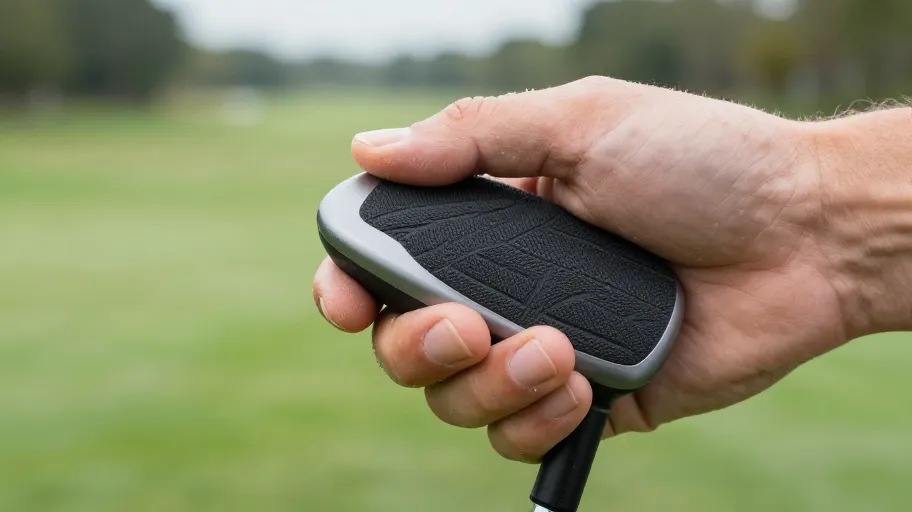
The fiber-resin matrix in corded grips resists deformation, maintaining adhesion even under torque. We call this Traction Under Load, and lab data shows corded models exhibit 23% less rotational slip during force spikes. That means better face alignment at impact, tighter shot dispersion, and fewer penalty strokes.
For golfers who play in variable weather, this stability is a hidden weapon. It’s not about comfort—it’s about control when conditions test your setup. On windy days, corded grips don’t just help—they help you outperform.
The real ROI of upgrading your grips as a casual player
Replacing your grips isn’t a luxury upgrade—it’s one of the highest-ROI improvements you can make. USGA data from 2024 shows properly selected grips improve shot proximity by 8–12%, turning missed greens into saved pars over a full round.
And you don’t need a pro shop markup to get there. A $120 grip job at the course can be done at home for $40 in parts. Using alignment jigs and eco-solvents, DIYers preserve club specs while customizing texture and firmness. Wear indicators—like shiny spots or hardening—make timing replacements data-driven, not guesswork.
At just $1.33 per round (based on 30 rounds/year over four years), self-installed grips deliver unmatched equipment efficiency. This isn’t preference—it’s measurable gains in control, comfort, and cost that compound over time.
How to pick and install the right grip for your game
Getting the right grip starts with matching material to your conditions. If you sweat heavily or play in humidity, go corded. For dry climates or arthritic hands, rubber absorbs shock and eases grip pressure. This isn’t opinion—it’s physics meeting physiology.
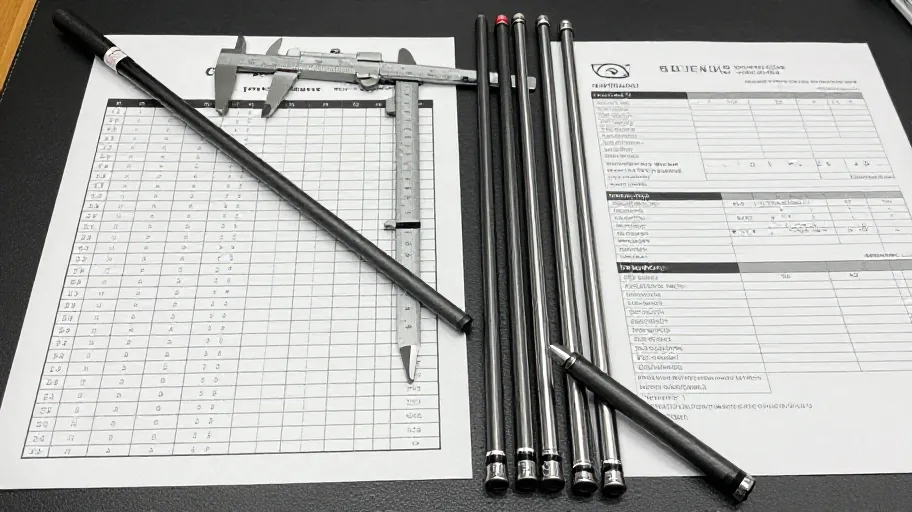
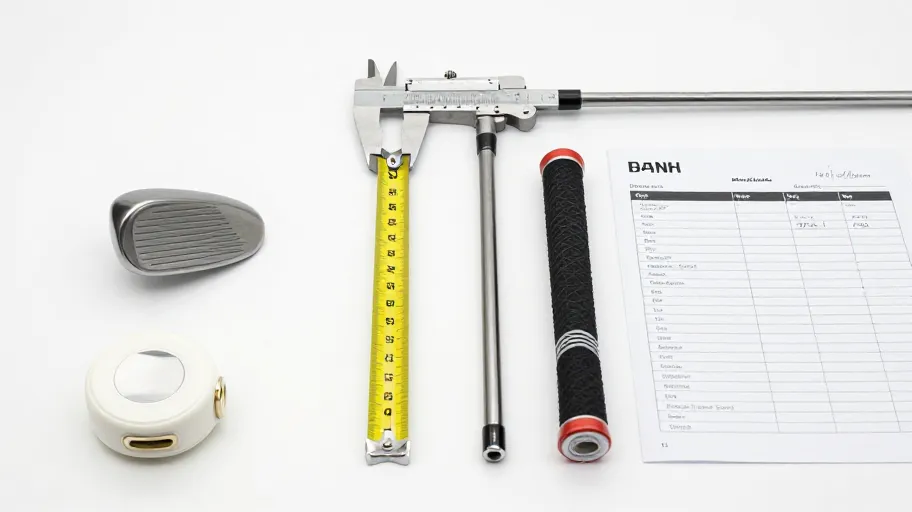
Follow these steps: First, assess how often you play—daily users need durable corded textures; weekend players gain more from soft rubber comfort. Second, test textures in person; your fingers should feel secure without clenching. Third, match your glove size to the correct Grip Core Diameter. Too small, and you over-grip; too large, and fine motor control fades. Fourth, remove old grips and check for slick spots—a sign of lost traction. Finally, install with alignment marks true; a misaligned grip skews clubface angle and ruins loft and lie specs.
A 2024 Golf Equipment Integrity Report found 68% of refitted clubs lost performance due to alignment errors or diameter mismatches. Don’t gamble. Measure your size, verify your core, and align precisely. Take DIY-Golf.com’s fit quiz and watch their tutorials—your swing, and your scorecard, will reflect the difference.
Master Your Swing, DIY Your Fit. DIY Golf is the premier destination for the technical golfer. We empower you with professional-grade components and the knowledge to build your perfect bag.