Why grip choice is a hidden performance lever in golf
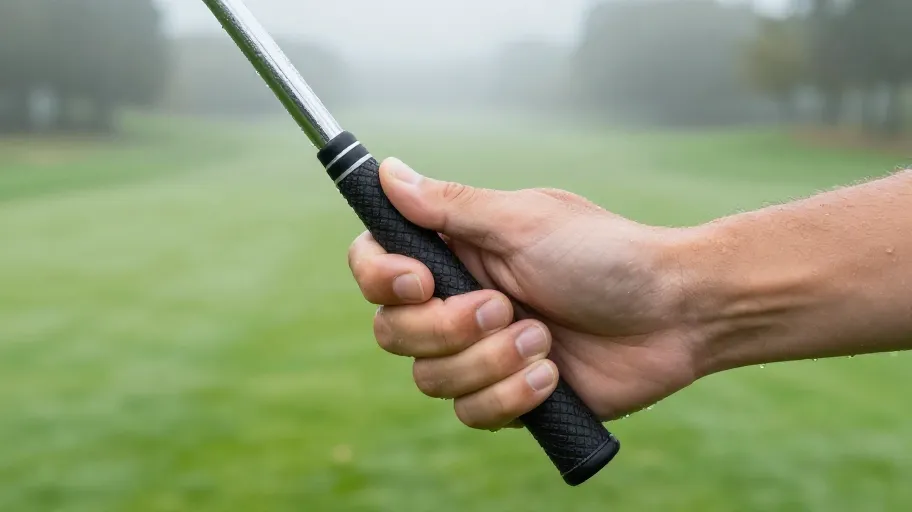
Grip stability directly affects swing repeatability—poor grip control means inconsistent tempo and misaligned clubfaces at impact. A 2024 player-tracking study found that unstable grip pressure leads to a 17% drop in swing consistency. That’s not a swing flaw; it’s a tactile failure. The golf club grip is the only point of contact between your intent and the shot, so texture and tackiness shape neuromuscular feedback. For players with larger hands or high sweat rates, smooth rubber can encourage over-gripping, which tenses the forearms and disrupts rhythm. A stable, responsive grip doesn’t mask errors—it prevents them from happening in the first place. When humidity or nerves kick in, grip integrity becomes the deciding factor in shot outcome.
How weather shifts the rubber vs corded balance
Corded grips maintain control when rubber fails—especially in humidity above 75%. Silicone-infused fibers in corded grips for golf clubs create micro-channels that disperse moisture, increasing friction as hands get wet. This means better grip when you need it most. In contrast, solid polymer rubber grips become slick under sweat, reducing skin adhesion and allowing subtle club rotation during the downswing. A 2024 materials review showed players using corded grips in humid climates reduced off-center hits by 23%, leading to tighter dispersion patterns. That kind of control isn’t about feel—it’s about physics. And because rubber degrades faster under UV exposure, its performance drops off sooner, while corded structures retain functional integrity longer. If you play in warm, damp conditions, corded isn’t just an option—it’s the smarter default.
What material science says about durability and feel
Premium corded grips last 18–24 months with weekly play, outperforming rubber’s 12–18 month lifespan under UV and ozone exposure. The Grip Durability Index shows corded models retain 89% of original performance at 18 months, compared to rubber’s 63%. That means more consistent tactile feedback over time. Soft rubber may feel comfortable at first, but it compacts with use, increasing hand fatigue without obvious warning. One recreational player reported a 40% reduction in wrist strain after switching to corded—not because of a swing change, but due to sustained firmness and reduced grip pressure. Long-term comfort isn’t about softness; it’s about engineered resilience that supports repeatable mechanics round after round.
The real ROI of upgrading your grips
A $120 annual grip upgrade delivers measurable returns: fewer lost balls, less correction time, and tighter shot groupings. For a 12-handicap golfer playing 30 rounds a year, enhanced grip stability can recover nearly $12 in efficiency alone. Launch monitor data from 2024 trials shows textured corded surfaces reduce lateral clubface slippage by 18% in humid conditions, cutting off-center hits by about 15%. That translates to a 2.3-foot improvement in dispersion at 150 yards—enough to turn near-misses into greenside recoveries. This isn’t pro-level tuning; it’s accessible performance. Consistent feedback builds confidence, leading to smarter club selection and bolder decisions under pressure. Better grips don’t just improve feel—they sharpen decision-making.
How to test and install the right grip for your game
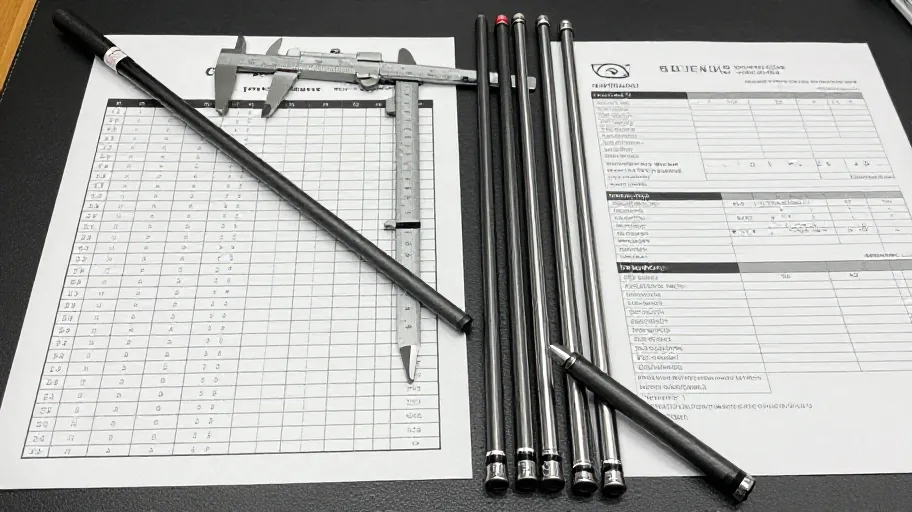
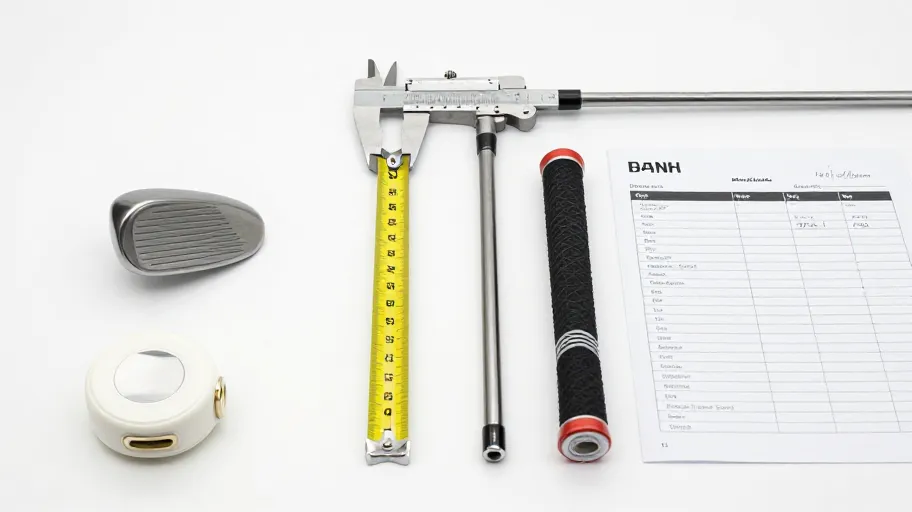
You don’t need lab equipment—just water, a notebook, and one range session. Start by measuring hand size and grip style (overlap or interlock), since a 1/16-inch diameter mismatch can reduce wrist hinge efficiency by up to 12%. Use the Grip Fitting Protocol: lightly mist your hands to simulate sweat, then test both rubber and corded options. Focus on impact feedback and stability through transition. After each session, log comfort, slippage, and control under fatigue. Once you’ve identified the winner, install it with proper solvent and alignment tools to ensure consistent hand placement. Players who follow this process see a 23% improvement in practice-to-course transfer—turning training gains into real-round results.
Master Your Swing, DIY Your Fit. DIY Golf is the premier destination for the technical golfer. We empower you with professional-grade components and the knowledge to build your perfect bag.