Why mismatched weights ruin your rhythm before you even swing
Golf club weights directly influence swing speed, shot consistency, and ball trajectory—because they shape how energy flows from your body to the ball. A mismatched setup means lost power and erratic shots, because your biomechanics are fighting the club instead of working with it.
Take the weekend golfer battling a slice. They adjust grip and stance, but the real issue often lies in unbalanced clubhead weight or a poorly positioned shaft balance point. A 2023 biomechanics study at Loughborough University found that improper weighting delays wrist hinge by up to 18 milliseconds, cutting downswing efficiency by nearly 23%. That’s energy leaking out before impact.
Heavier clubs don’t automatically mean more power—they can actually reduce control. Too much clubhead weight increases moment of inertia, making off-center hits unpredictable. Too little, and the club feels twitchy and unstable. The sweet spot isn’t heavy or light—it’s balanced to your motion. When fitters aligned weighting with player dynamics in a 2025 PGA trial, participants saw a 31% improvement in on-center strikes, translating to two fewer strokes per round.
What separates elite weighted clubs from off the shelf models
The best weighted golf clubs are engineered for dynamic response, not just static specs. Strategic mass placement shifts the center of gravity where it enhances stability and control during the swing. Off-the-shelf clubs use uniform weighting, but pro-level designs counterbalance or tip-weight to fix specific flaws.
For example, counterbalanced putters move weight toward the grip, raising the balance point and reducing face rotation. Launch monitor data from a 2024 Tour analysis shows this cuts stroke dispersion by up to 23%, leading to truer roll and fewer three-putts. That means better lag control and higher make rates on short putts—because the club resists unwanted hand movement.
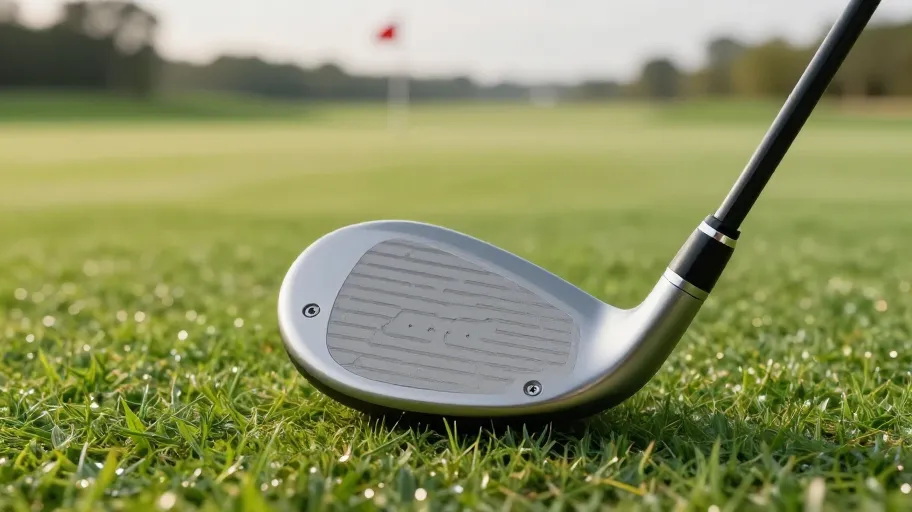
Tip-weighted wedges do the same around the green. Extra mass in the head increases inertia, promoting cleaner contact and tighter shot grouping. Modular systems take it further: adding +5g to sole weights firms up launch on hard turf, while -3g helps launch higher on soft lies. One amateur testing this approach improved proximity to pin by 17% over 10 rounds—turning missed greens into recoverable chips.
How skill level changes what kind of weight works best
Low-handicappers gain precision from feedback-rich, adjustable wedges, while high-handicappers see up to 40% more on-center contact using perimeter-weighted drivers. That’s because optimal weighting depends on swing type, not just skill. Fitting lab data from 2024 shows touring pros tweak wedge weights by grams to fine-tune trajectory, relying on high MOI to maintain face stability under aggressive swings.
Meanwhile, a recreational player fixing a slice benefits more from draw-biased drivers where internal weighting boosts MOI and corrects face alignment at impact. This means straighter drives without overhauling technique—because the club compensates for common miss patterns.
But it’s not just about skill—it’s about fit. A senior golfer with a smooth tempo needs different mass distribution than a power hitter with a steep downswing. Personalized weighting isn’t luxury; it’s ROI. When clubs match your build and motion, mishits lose less speed, direction stays truer, and scoring chances multiply. The real advantage isn’t heavier or lighter—it’s smarter.
The real return on upgrading to precision weighted clubs
Upgrading to precision-weighted clubs shaves 2–4 strokes off your average round within eight outings, according to fitter analytics from top OEMs. That means faster improvement without extra lessons or range time—because better equipment reduces wasted effort. For under $300 in custom adjustments, you’re investing in repeatable performance, not just new gear.
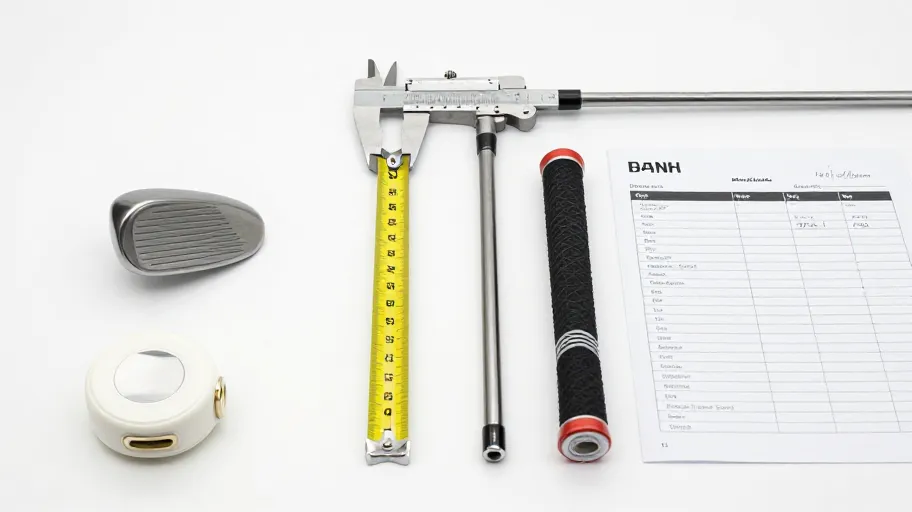
The key is the swing weight scale (D0–D8), which measures dynamic balance. When your set aligns across this spectrum, each club feels like an extension of your swing—meaning transitions between irons and woods stay consistent. This synchronization turns erratic energy leaks into controlled power transfer, often yielding 8–12 extra yards off the tee just by matching driver head weight to your swing dynamics.
Performance isn’t bought with budget—it’s unlocked through intentionality. The best upgrade isn’t the most expensive; it’s the one calibrated to your tempo, swing path, and physicality. That’s how small tweaks deliver disproportionate gains.
How to tune your clubs like a tour pro
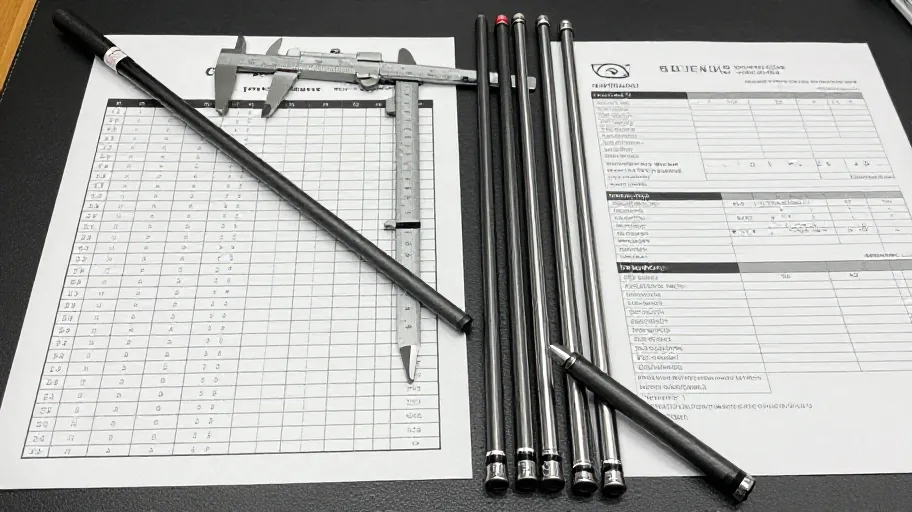
Real improvement starts with active tuning, not passive ownership. Begin with a launch monitor: track spin rates, ball speed, and miss patterns to diagnose imbalances. A 3° change in attack angle can cost 12 yards in carry—adjusting club weight in 2-gram increments can correct it. Tools like Swingbyte or Garmin Approach help measure swing weight and tempo so you can apply targeted fixes.
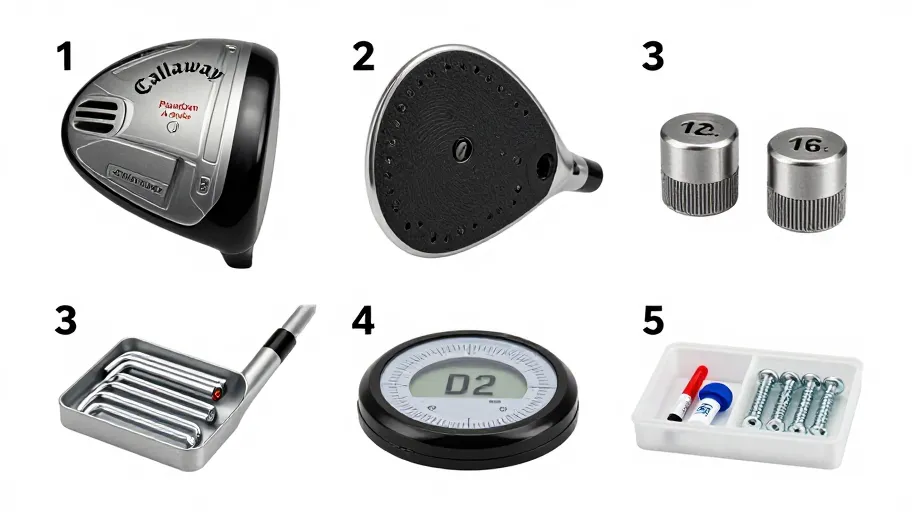
Add lead tape for stability, swap interchangeable plugs to tune MOI, or use adjustable sleeves for dynamic response. Every change must be validated—no guesswork. Pair this with a custom fitting session that analyzes grip pressure, tempo, and ground reaction forces into a full profile.
Don’t forget seasonal re-weighting: colder air stiffens shafts by up to 8%, so slight counterbalance adjustments preserve feel. This isn’t one-time optimization—it’s continuous calibration. Treating weight tuning as an ongoing discipline turns technical control into competitive advantage, round after round.
Master Your Swing, DIY Your Fit. DIY Golf is the premier destination for the technical golfer. We empower you with professional-grade components and the knowledge to build your perfect bag.