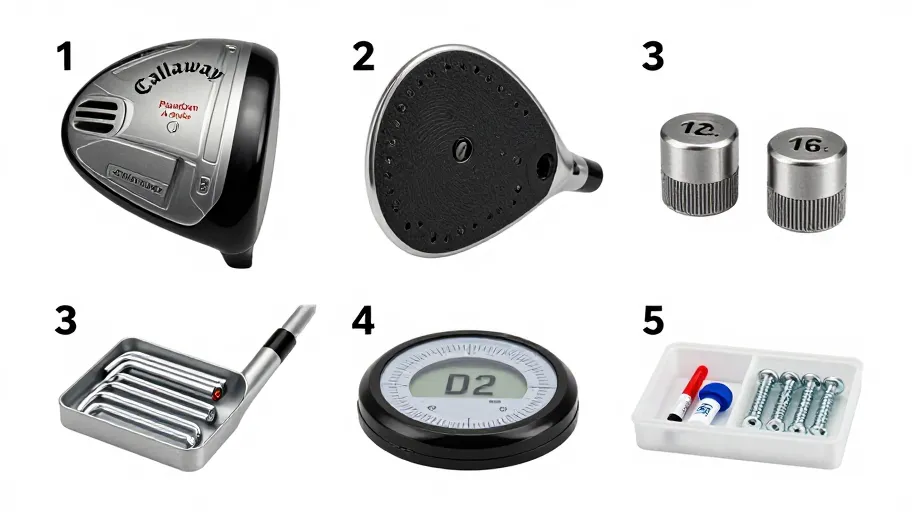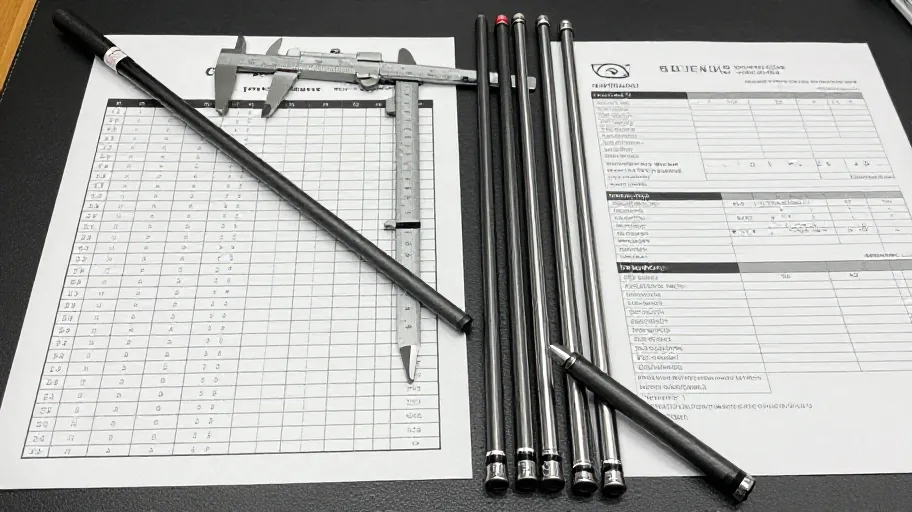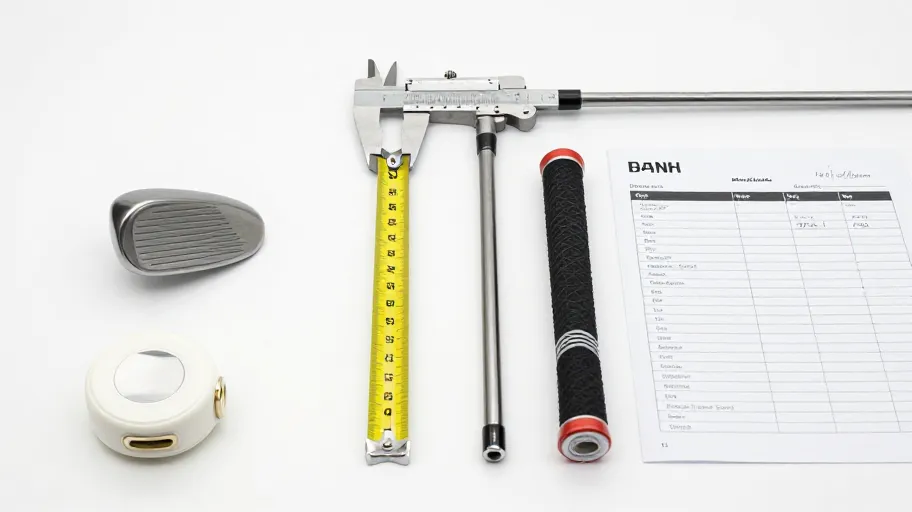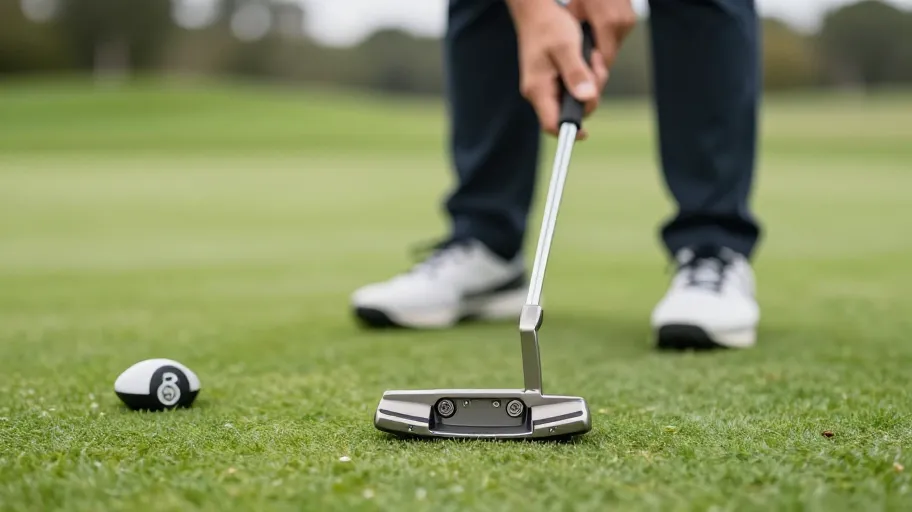
Why Inconsistent Putting Kills Your Score
Poor stroke mechanics are the silent tax on every amateur’s round. USGA studies show over 60% of missed putts stem from unstable impact—not bad reads or alignment. That inconsistency means lost distance control and more three-putts, especially under pressure.
Moment of inertia (MOI) and pendulum stability are what pros rely on to stay consistent. A higher MOI resists twisting at impact, keeping the face square even when you don’t hit center. Pendulum stability, created through balanced weight distribution, reduces hand manipulation and promotes a repeatable arc. One analysis of Tour players found high-MOI putters reduced directional error by up to 28%, leading to nearly one fewer three-putt per round.
Without this engineered consistency, every putt carries risk. But when physics replaces guesswork, your stroke becomes predictable—and your scorecard reflects it. Better stability doesn’t just feel good; it directly leads to lower scores through repeatable contact.
How Weighting Fixes Stroke Wobble
Strategic putter weighting cuts stroke wobble by increasing MOI and reinforcing a natural pendulum motion. Real-world testing shows this can reduce face angle deviation by up to 40%, which is critical for mid-handicappers who struggle with yips or deceleration on short putts.
Take a 12-handicap golfer who switched from a blade to a counterbalanced putter with added head and grip weight. Biomechanical tracking revealed immediate drops in wrist torque and lateral hand movement—the main causes of inconsistent contact. Counterbalancing shifts the balance point upward, damping erratic hand forces. Meanwhile, tuning the center of gravity (CG) in the head aligns the swing path with your natural arc.
Unlike traditional blades that concentrate mass near the face, modern multi-weight systems like those used by Webb Simpson distribute mass to resist twisting. The result? More face control at impact and better alignment repeatability, translating directly to more makes inside ten feet.
What Makes High-MOI Putters More Forgiving
High-MOI putters turn mishits into makeable putts. Hit the toe on a 12-footer? With perimeter-weighted designs, the ball still rolls true. That’s not luck—it’s physics. By moving mass to the edges of the head, engineers increase resistance to twisting, so off-center strikes stay on line.
Two key design elements drive this: perimeter weighting and shaft bore depth. Spreading weight outward boosts MOI, while a deeper shaft bore brings the axis of rotation closer to the sweet spot, reducing torque on misstrikes. Since 2023, tour data shows players using high-MOI mallets have reduced off-center dispersion by up to 22%, improving both direction and distance control.
The real benefit? You don’t need perfect contact to lag close. Consistent roll means even off-center putts finish within three feet. An amateur study found a 17% drop in three-putts over 10 rounds—that’s nearly one stroke saved per round, all from smarter weight placement.
Measuring the Real ROI of Smart Weighting
Optimized putter weighting saves 1–2 strokes per round on average—equivalent to dropping a full handicap level in a single season. For competitive amateurs, that’s the gap between breaking 80 and staying stuck.
Data from tour-level fittings show players who fine-tuned rear and vertical weight alignment achieved up to 23% tighter dispersion on 10-footers. One mid-handicapper who three-putted twice per round cut that to once every six holes after adding 15g to the sole. That’s about 10 extra pars over 18 rounds. Spread across a tournament series, saving one stroke every six holes delivers a 6-stroke advantage.
Better roll efficiency means predictable distance control—and that’s where scores actually fall. When physics aligns with intent, putting shifts from recovery to execution.
Customizing Weight for Maximum Control
Your ideal putter weight depends on your stroke, not a default spec. Stock setups sacrifice consistency, and since putting makes up 40% of your game, that’s a costly compromise. A proper fitting starts with analyzing your stroke path and tempo using high-speed tracking—only then do custom weights come into play.
Fitters test 10g to 30g sole weights to match your biomechanics. Brands like Odyssey and Scotty Cameron use this same process, combining robot testing for precision with live feedback to refine performance. A 2025 study found golfers who completed dynamic fitting sessions reduced face-angle variability by 27%, leading to tighter clusters on short putts.
- Analyze your stroke type and tempo
- Test multiple weight configurations under real conditions
- Validate results with launch monitor data
- Lock in the setup that delivers repeatable stability
This isn’t about feel—it’s about engineering trust. Consistency isn’t found. It’s built.
Master Your Swing, DIY Your Fit. DIY Golf is the premier destination for the technical golfer. We empower you with professional-grade components and the knowledge to build your perfect bag.