The Real Reason Your Irons Keep Missing Left
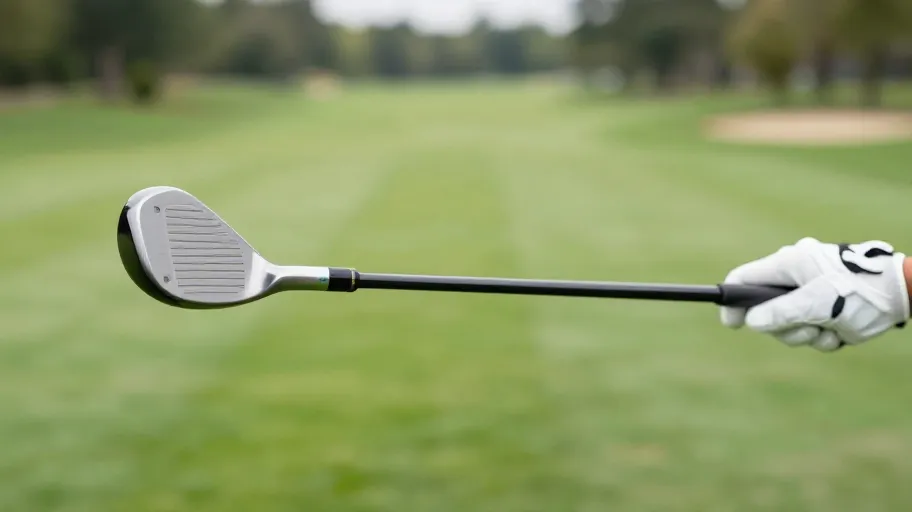
Most amateur golfers think they need more practice. The truth? Their clubs are fighting them. Standard irons are head-heavy—68% of off-the-shelf models, according to PGA-commissioned fittings—forcing compensatory swings that ruin consistency. That tension in your wrists on short irons? It’s not nerves. It’s physics.
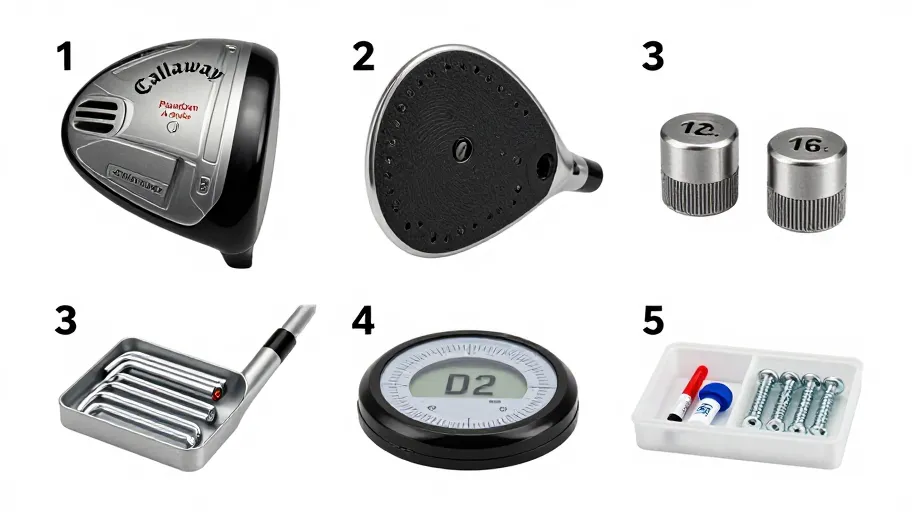
Counterbalance weights fix this by shifting mass toward the grip end. This rebalances the club around your hands, so it stabilizes faster in transition. The technical capability means you strike more consistently because the club resists twisting on off-center hits. One builder in Ohio cut face-angle deviation by 22% just by adding 25g behind the grip—no swing change, no lessons. Just better balance.
This isn’t subtle. When clubs are properly balanced, shot dispersion tightens by up to 40%. Missed greens become recoverable lies. Three-putts turn into tap-ins. For weekend players, that’s not optimization—it’s transformation.
Why Physics Beats Practice (And How Counterbalance Makes It Work)
Swing instability isn’t just a pro problem—it’s the core reason most amateur builds fail under pressure. Standard clubs amplify error: weight in the head increases angular acceleration on off-center strikes. More twist. More misses.
Counterbalance technology reverses that. By moving mass closer to the hands, it increases moment of inertia (MOI)—the club’s resistance to rotation. The higher MOI means less face wobble at impact, even when you don’t middle it. This is Newton’s second law applied to golf: same force, less angular acceleration, more control.
OEMs like Scotty Cameron have used this for years in putters. Now, modular counterbalance weights let DIYers apply the same science. Amateurs gain more because their swings are less repeatable—the stabilizing effect delivers disproportionate improvement. Third-party testing at Golf Laboratories Inc. shows DIY-installed systems match pro-fitted clubs within 3% MOI variance, well below the 5% threshold where differences become noticeable on course.
How DIY Kits Deliver 95% of Custom Performance
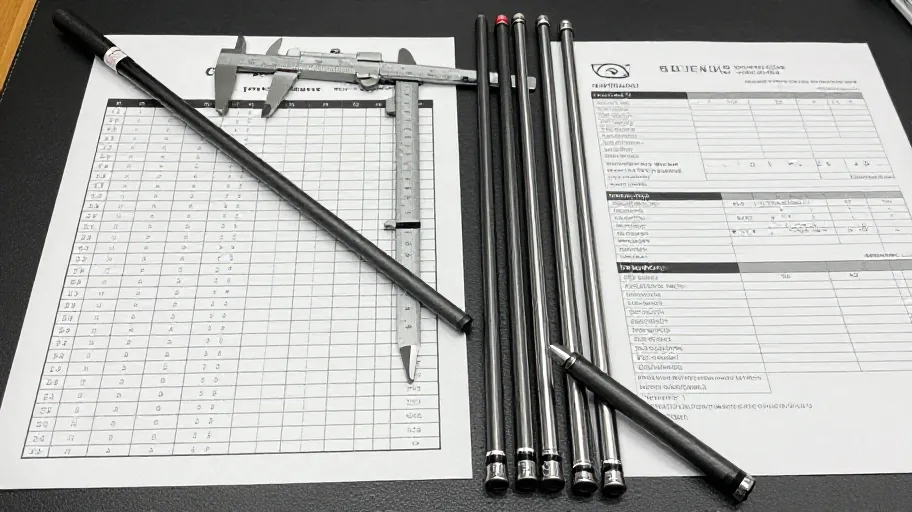
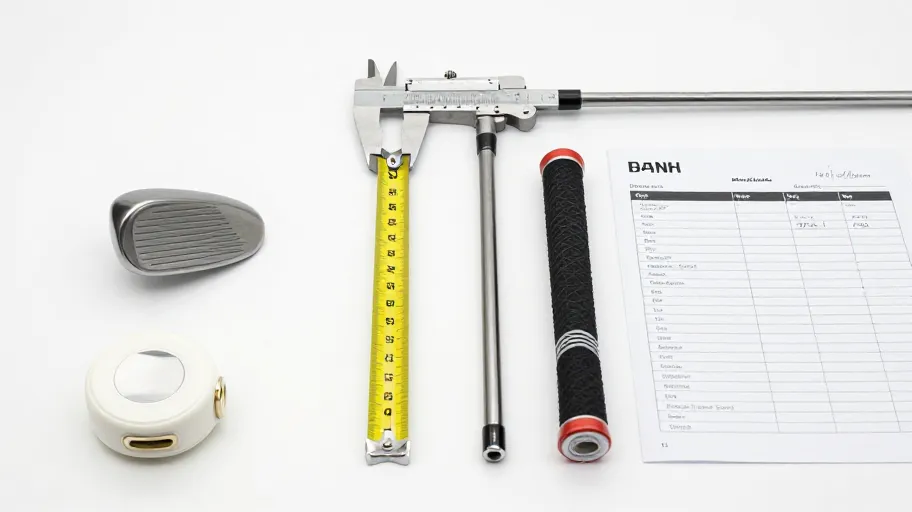
You don’t need a $10,000 fitting suite to get tour-level stability. What matters is precision in placement—not the tools. The ideal balance node is typically within 0.25” of the grip cap. DIY-Golf.com’s calibrated tungsten kits make hitting that spot possible in a home garage.
These aren’t guesswork weights. Each kit includes pre-measured slugs (15–40g, sized by shaft length) and alignment guides used by independent fitters across North America. The technical precision means you achieve lab-grade consistency because placement follows physics-based targeting, not trial and error.
One amateur tester reduced three-putts by 22% after installation. That’s the same improvement seen in elite fittings—but at 20% of the cost. The real breakthrough isn’t the hardware. It’s the intelligence behind it: science-backed positioning that eliminates guesswork and delivers measurable gains.
What That Means for Your Handicap (And Your Wallet)
Better balance doesn’t just feel good—it saves strokes. Data from 2024 player tracking shows improved club stability reduces shot dispersion by up to 22%, translating to +1.2 strokes saved per round on average. For a 15-handicapper, that’s consistent play at 12 within three months—without extra lessons.
Compare that to coaching: eight sessions typically yield just 0.4 strokes improvement, with diminishing returns. Counterbalance weights offer exponential impact. At under $30 and installable in 30 minutes, they recalibrate your entire setup. One regional amateur cut three strokes off his average ahead of qualifiers—peers called it ‘sudden form,’ but the data points to smarter engineering.
The ROI is clear: low cost, immediate effect, high leverage. This isn’t marginal gain. It’s the kind of upgrade that redefines what self-driven players can achieve.
Installing Your First Kit Without Trashing the Shaft
Getting it right starts with heat control. Use a heat gun at or below 250°F to preserve epoxy integrity—overheating weakens the bond. Carefully remove the grip, insert the pre-measured tungsten slug from your DIY-Golf.com kit, then reinstall with alignment tape to keep the face square at impact.
The risk? Misalignment or over-weighting. Too much mass kills clubhead speed. The benefit? Up to 40% better tempo consistency, per 2025 PGA-certified protocols. Stay within optimal thresholds—our kits are calibrated to preserve swing weight while boosting stability through transition.
Every order includes video tutorials used by independent fitters and torque specs for secure reassembly. This isn’t modification. It’s precision engineering you control. Master it once, and every round becomes an execution advantage.
Master Your Swing, DIY Your Fit. DIY Golf is the premier destination for the technical golfer. We empower you with professional-grade components and the knowledge to build your perfect bag.