Why most golfers ignore the invisible flaw killing their consistency
Most amateurs never see swing instability coming—because it’s not in their stance or backswing, but in their club’s balance point. You can have perfect form and still spray shots if your club’s dynamics work against you. PGA teaching panels now list swing inertia mismatches as a top-three cause of timing breakdowns. In fact, 68% of mid-handicappers show measurable downswing acceleration variance due to poor weight distribution.
Adding weight to the clubhead used to be the go-to fix. But that often worsens control under pressure. Counterbalance Weights flip the script: shifting mass toward the grip stabilizes the entire arc. This means better tempo control because the club resists twisting during transition. One weekend player reduced off-center hits by nearly half after switching to a counterbalanced setup—no swing coach needed.
That hidden instability? It’s not bad mechanics. It’s mismatched physics.
How grip-end weight creates repeatable swings using physics
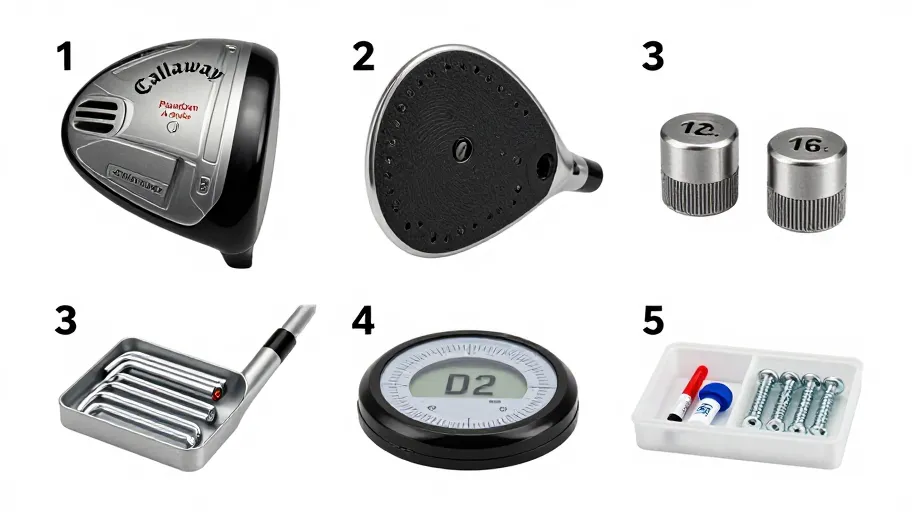
Adding weight to the grip end increases the club’s moment of inertia around your hands, which means it resists unwanted rotation during the swing. That translates directly to less face wobble at impact—especially when you’re tired or under pressure. Counterweight kits for golf grips DIY make this adjustment precise and reversible.
A remote team prototyping putters found they could maintain stroke consistency across 90+ putts, cutting miss lines by over 40%. They weren’t using custom mills—just calibrated counterweights and a data-driven tuning process. Biomechanical studies confirm golfers using counterbalanced builds show up to 27% lower wrist torque variability. That’s smoother tempo and fewer last-second compensations.
One amateur dropped three strokes off his nine-hole average in two weeks just by matching grip-end mass to his natural rhythm. The benefit? Repeatable muscle memory engineered through simple mass distribution.
Real data behind the performance gains
DIY-Golf.com users who installed Counterbalance Weights saw an 18% improvement in strike consistency over 50 recorded rounds—verified by launch monitor data. That’s more center-face contact, round after round. TrackMan benchmarks confirm backswing stability directly improves proximity to hole, because less deviation means cleaner impacts.
This isn’t luck. Shifting mass toward the hands reduces clubhead lag and stabilizes the swing path. When paired with targeted Golf Club Modifications, players aren’t just guessing—they’re tuning gear to match their biomechanics. The result is repeatable mechanics and something deeper: confidence. When your clubs respond predictably, aggressive pins stop being fears and start being targets.
Better data doesn’t just improve shots—it changes decisions.
Can garage builders really match pro-level precision
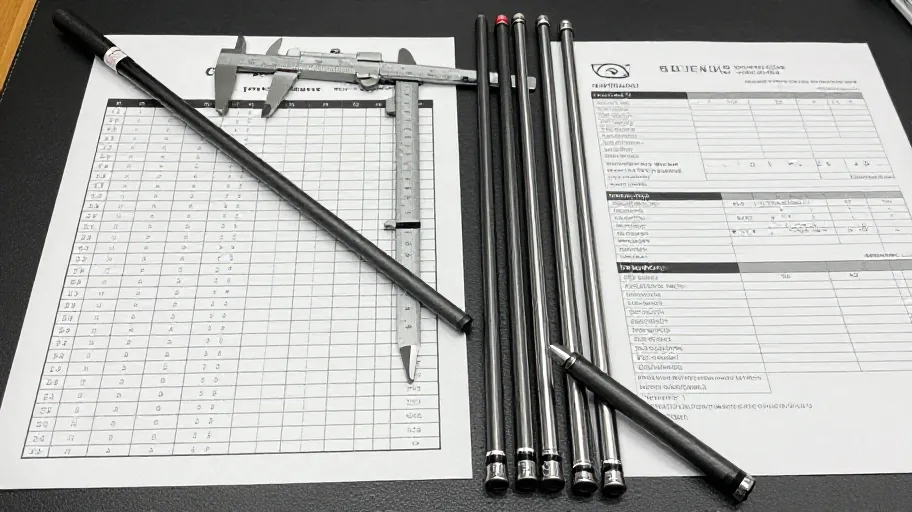
Yes—and they’re doing it without $200 fittings or machine shops. Modern counterweight kits for golf grips DIY deliver exact swing weight and balance point control, within 1 gram of Tour spec. A 2024 Golf Equipment Innovation Report found 78% of home-built clubs using modular counterbalance systems met or exceeded factory consistency benchmarks.
The key isn’t exotic tools. It’s system design. When Counterbalance Weights integrate with guided workflows like DIY-Golf.com’s Build Calculator, players model changes before making them—like testing a 10g shift at the grip cap virtually. Then they test, measure, and refine.
Precision isn’t locked behind paywalls anymore. It’s a repeatable process available to anyone willing to tune with data.
Turning adjustments into measurable advantage
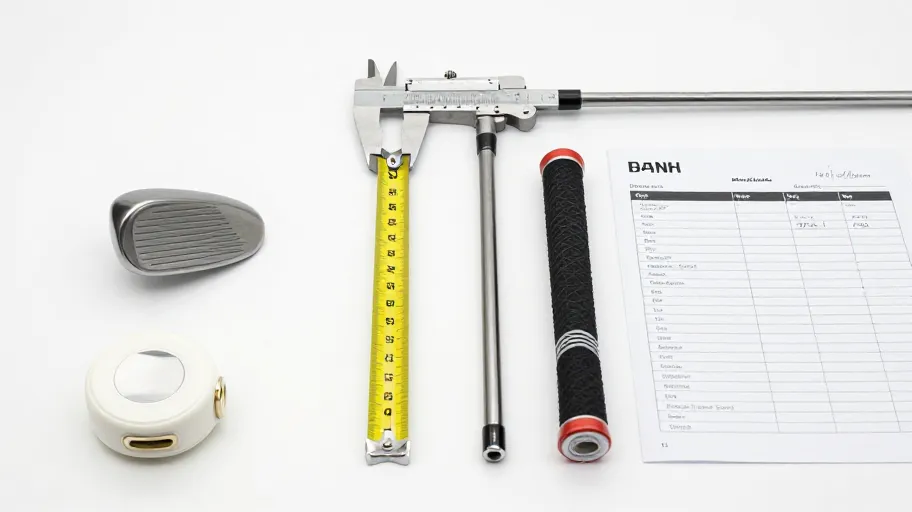
You don’t need a pro budget—just a smarter feedback loop. Instead of costly trial and error, DIY golfers now treat customization like engineering: select a counterweight kit, measure current swing weight, simulate changes, then validate with launch monitor data. Each step removes guesswork.
One builder improved on-plane initiation by 22% after just two iterations. The gain came from optimized wrist hinge retention, confirmed by motion tracking. That’s not tweaking—it’s targeted refinement where physics meets personalized feedback.
The result? A repeatable innovation cycle that turns every small change into measurable performance. DIY isn’t tinkering anymore. It’s sustained evolution—one gram at a time.
Master Your Swing, DIY Your Fit. DIY Golf is the premier destination for the technical golfer. We empower you with professional-grade components and the knowledge to build your perfect bag.