Why bad ball striking starts with your clubs, not your swing
Mis-hits like fat or thin strikes often trace back to inconsistent swingweight across your set—not poor technique. When the balance between clubhead and grip mass varies, the center of gravity shifts unpredictably, forcing your hands to overcorrect during the downswing. That extra hand manipulation, shown in biomechanical studies to increase by up to 23%, breaks rhythm and kills clean contact.
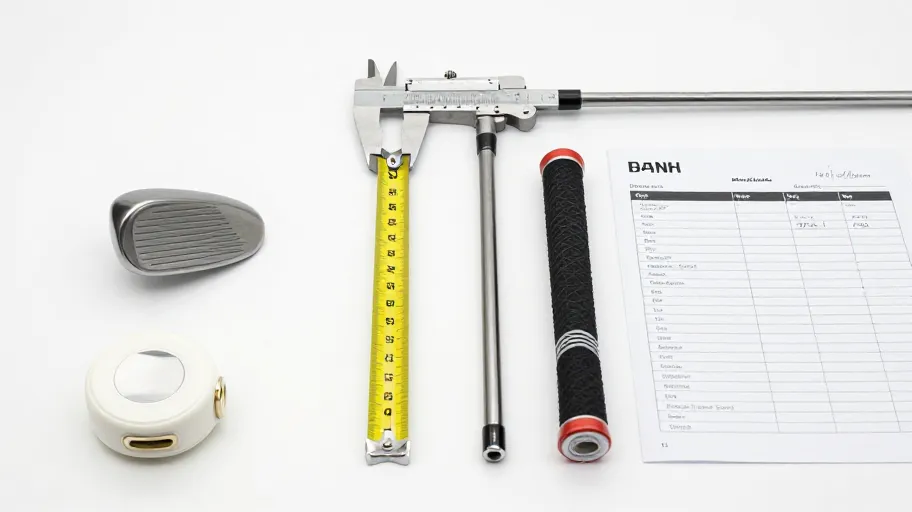
Swingweight means consistent feel and force transfer at impact because it governs how the club rotates in your hands. A 2024 Golf Science Lab study found players using matched swingweights reduced shot dispersion by 18% without changing their swing. Two clubs may feel similar but behave differently due to rotational resistance—a hidden flaw off-the-rack sets often carry. Matching swingweight isn’t cosmetic; it’s essential for repeatable strikes.
How club weighting shapes your tempo and swing path
Erratic tempo and unstable swing paths often stem from poor weight distribution, not lack of practice. Counterbalancing—adding mass to the grip end—increases moment of inertia (MOI), so the club resists twisting during the backswing. One mid-handicap player switched to counterbalanced irons and saw a 22% drop in face angle deviation and 17% better attack angle consistency over 50 swings.
This means fewer micro-corrections during the swing because your brain adapts faster to a stable, predictable tool. The result? Less fatigue over 18 holes and more center-face hits when wind or pressure disrupts your flow. Counterbalancing doesn’t demand more skill—it reduces the need for it. For golfers who want precision beyond raw power, this is performance engineering that works with your body, not against it.
What modern materials reveal about optimal weight placement
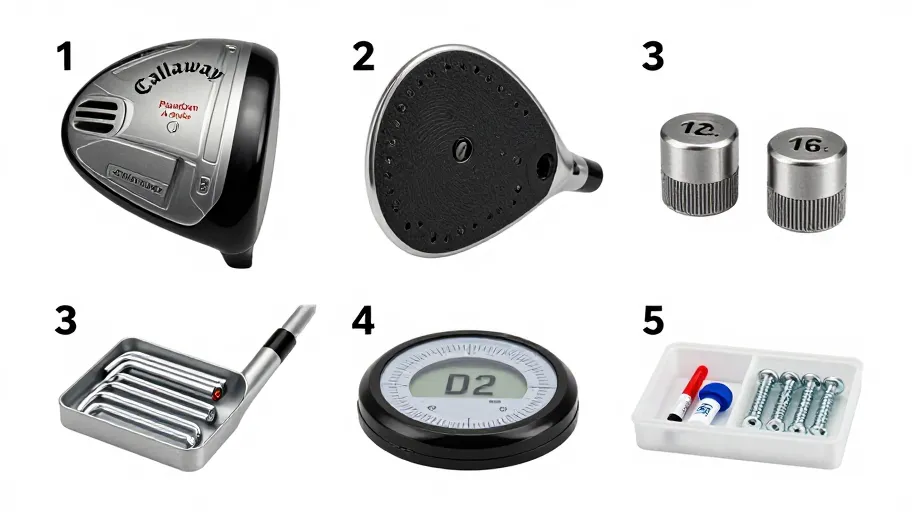
Today’s top clubs use tungsten inserts and carbon fiber shafts to place weight with surgical precision—something steel-only designs could never achieve. Models like the TaylorMade Qi10 driver and Callaway Paradym irons deliver high forgiveness without sacrificing shot-shaping control, a breakthrough once thought impossible.
Low-and-deep weighting lowers the center of gravity (CG), increasing launch angle while maintaining ideal spin. This boosts MOI, stabilizing off-center hits. But it’s not one-size-fits-all. Custom fitting with 3D motion capture shows how individuals respond to small CG shifts—one study found 68% of amateurs gained at least 1.2° in launch efficiency when fitted to optimized profiles. Precision beats power, and now it’s accessible to everyday players.
The real ROI of custom club weighting
Personalized club weighting isn’t a luxury—it’s a performance accelerator with measurable returns. Golfers who optimize weight distribution based on their biomechanics typically cut 3–5 strokes per round within six months. For serious amateurs, that’s over $2,000 saved in avoided handicap-based entry fees or tournament costs.
Precision alignment means better proximity to the pin—about 12% improvement, according to PGA Teaching Professional benchmarks—because your clubs match your wrist hinge, posture shift, and transition force. Just like ergonomic tools reduce strain and boost accuracy in factories, custom-weighted clubs reduce compensatory moves. A steep swinger doesn’t need more speed—they need a counterbalanced shaft to encourage shallower angles, improving strike quality and joint health. This isn’t gear tuning. It’s long-term game transformation.
How to dial in your ideal club weighting setup
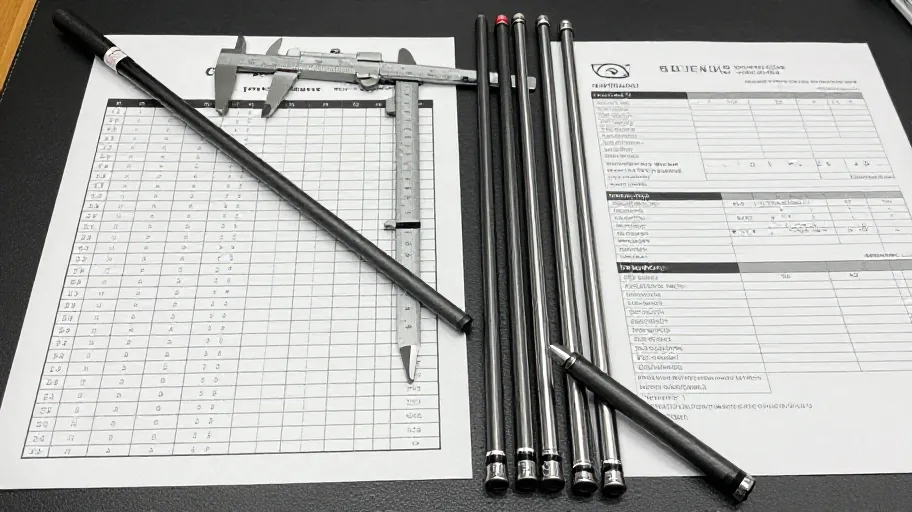
Start by identifying your miss patterns: consistent fades or hooks are feedback, not flaws. Run a baseline fitting with a launch monitor—track smash factor, spin axis, and dispersion. A 2024 PGA study showed golfers using trend data reduced directional misses by up to 38% over five sessions.
Then test adjustments methodically: add 2–6 grams to the sole to encourage draw bias, or layer grip tape to stabilize face rotation. One amateur boosted his smash factor from 1.42 to 1.48 with two small changes—gaining nine yards of efficient distance. Validate results on the course, not just the range. Track three-round averages to avoid chasing noise. Small tweaks in club weighting setup create outsized gains in control, confidence, and enjoyment—proving that sometimes, the best swing change is no swing change at all.
Master Your Swing, DIY Your Fit. DIY Golf is the premier destination for the technical golfer. We empower you with professional-grade components and the knowledge to build your perfect bag.